Keane Takes Aim at United's Coaching Appointments in Heated Exchange with Neville
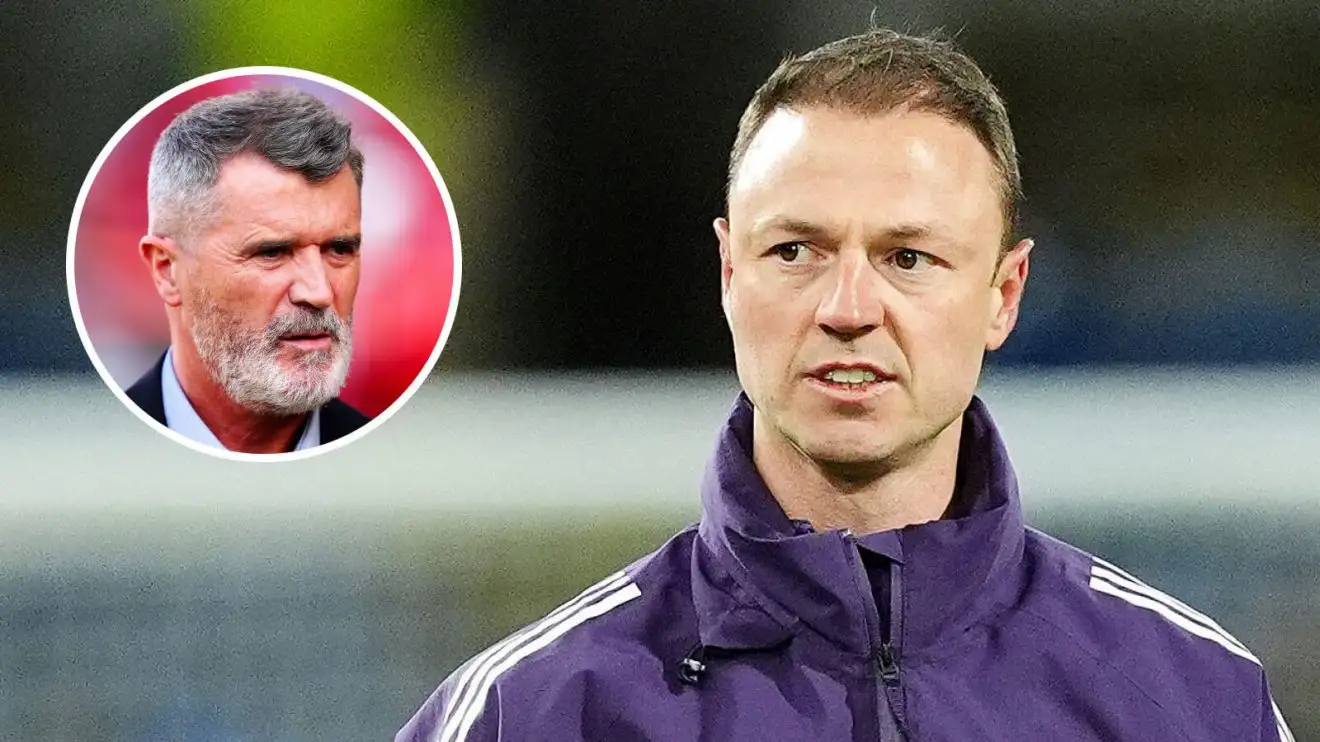
Roy Keane has delivered a withering assessment of Manchester United's fresh coaching setup, locking horns with Gary Neville in a fiery discussion that exposed fundamental disagreements over the club's staffing strategy.
With Michael Carrick now at the helm on an interim basis following Ruben Amorim's departure, he has assembled a supporting cast comprising former England assistant Steve Holland, Jonathan Woodgate (Carrick's former number two at Middlesbrough), retired defender Jonny Evans, and Under-21s manager Travis Binnion. Keane, however, remains thoroughly unconvinced by the arrangement.
During an appearance on the Stick to Football podcast, Neville attempted to justify the appointments by highlighting Holland's credentials as a "serious operator" capable of elevating the coaching environment. Keane was having none of it, immediately pivoting to challenge the credentials of the supporting trio.
"What about the other coaches he's brought in?" Keane demanded, forcing Neville to admit he'd never actually witnessed Woodgate and Evans coaching at senior level.
The former United captain then zeroed in on Evans' appointment, highlighting the peculiar nature of the move. Evans had vacated his position as loans and pathways manager just weeks earlier before mysteriously materialising in the first-team setup. "He's on the beach two weeks ago Jonny Evans," Keane remarked acidly. "Jonny Evans leaves Man United four or five weeks ago as a loans manager and then Darren Fletcher gives him a job, strangely enough gives him a job. He has two games, Fletch goes and Carrick gives him a job, great isn't it."
The pointed observation cut to the heart of Keane's frustration: the logical inconsistency of promoting someone with zero top-level coaching experience into such a prominent role. "What has Jonny Evans done to be a coach of Man United's first team? He left the job four weeks ago – loans manager and ironically comes back working with the first team. That's a big step up isn't it?"
Neville attempted to reframe the discussion, suggesting that Holland's appointment at least guaranteed professional training sessions and reduced pressure on Carrick himself. Yet Keane remained focused on the glaring contradiction in his counterpart's reasoning.
"On one hand you're sitting here going, 'I'm so happy they brought Steve Holland in', but they brought another two staff in who you're dismissing as 'I'm not really bothered about them,'" Keane observed. "I wish we were sitting here with you saying he's brought three staff in and they're all brilliant, so we think Steve Holland is the man now?"
When Neville leaned on Holland's extensive experience as justification, Keane swiftly dismantled that argument by drawing parallels with previous United appointments that had flattered to deceive. "Steve McClare was experienced, Mike Phelan was experienced, these are all guys over the last few years," he countered.
The debate then shifted towards the broader principle of recruiting former club figures into the coaching structure. Neville referenced David Moyes' tenure, noting that retaining experienced heads from within the organisation might have proven beneficial. He cited examples of Carlo Ancelotti and José Mourinho successfully incorporating ex-players into their backroom teams.
Keane remained sceptical. "That doesn't always work, this idea of bringing in someone from the club," he maintained, before delivering a particularly cutting observation about Darren Fletcher's brief spell in charge. "Fletch knows the club, works with the academy, he knows the girl in the canteen, he rings Sir Alex Ferguson to ask him what colour socks he's going to wear in the morning. How did the two games go?"
"They didn't go very well," Neville conceded.
"Exactly," Keane replied.
As the conversation progressed, Keane remained adamant that Holland's appointment could not simply paper over the fundamental weakness of the overall setup. The core issue, from his perspective, remained unchanged: Evans had never coached at elite level, and his sudden elevation into a first-team environment represented precisely the kind of shortcut thinking that had hampered United's progress in the post-Ferguson era.
Neville's defence ultimately hinged on Holland's track record with England, though even this drew scepticism from Keane, who questioned whether previous success with elite talent necessarily translated to solving United's current predicament.
Compare options