Ratcliffe's Immigration Remarks Draw Scathing Backlash from Supporters and Critics
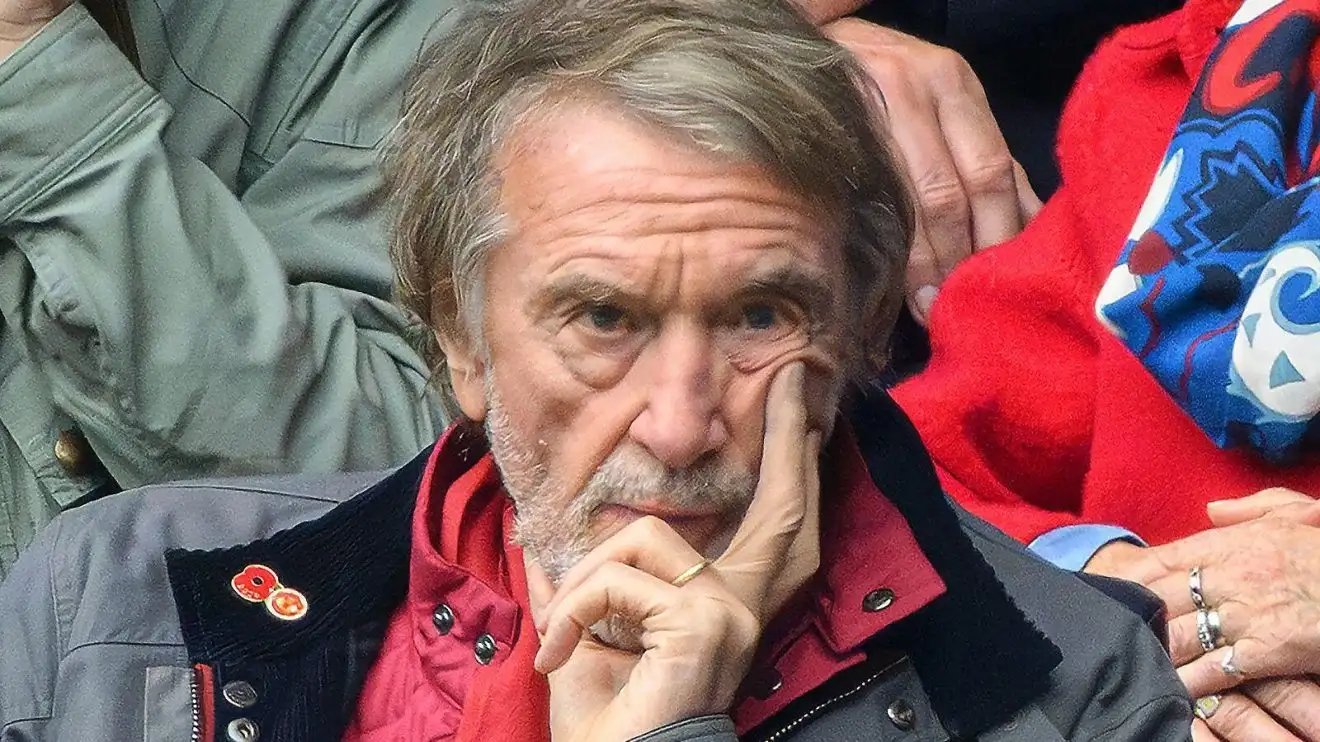
Sir Jim Ratcliffe has become the focal point of a furious backlash following remarks perceived as hostile towards immigration, with supporters and commentators queuing up to deliver withering verdicts on the Manchester United owner.
The billionaire industrialist, who relocated to Monaco and has sought taxpayer funding for stadium development, has drawn particular ire from those questioning the consistency of his position. One correspondent noted the irony of Ratcliffe expressing concerns about the country being "colonised by immigrants" whilst overseeing a squad built on foreign talent, pointing out that his domicile of choice remains outside British jurisdiction.
The criticism extends beyond simple name-calling. Several observers have raised broader concerns about Ratcliffe's fitness to lead a Premier League institution. They argue that a competition marketed globally—attracting supporters from Lagos to Lapland and beyond—sits uncomfortably under ownership that appears dismissive of international migration. One commentator highlighted the contradiction between preaching about national decline whilst simultaneously avoiding his tax obligations, suggesting the billionaire class bears responsibility for many of the country's struggles rather than immigrants.
United's global fanbase has also drawn sympathy from critics, who express dismay that supporters waking at unsociable hours to watch their team are effectively being told they represent the problem afflicting their adopted country. The tension is particularly acute for those who champion the club's multicultural heritage, with figures like Eric Cantona and Cristiano Ronaldo cited as emblematic of what makes English football attractive worldwide.
One correspondent warned that regardless of any official distancing by the club, the attitudes of ownership inevitably permeate downwards through an organisation. Another raised the uncomfortable reality that United fans—the vast majority of whom hold no such views—now find themselves uncomfortably associated with their owner's pronouncements.
Regarding matters on the pitch, one United supporter has urged patience with interim manager Ruben Carrick following a recent draw at West Ham. They contend that unrealistic expectations have plagued the club through multiple managerial reigns and suggest that establishing a top-four foundation might prove more sustainable than perpetually chasing immediate title success. The correspondent notes that INEOS appears committed to a recruitment structure independent of individual managers, potentially indicating a shift away from the "messiah manager" mentality that has defined recent years.
They also highlight that Carrick's early tenure has provided genuine enjoyment—the first time since Ole Gunnar Solskjaer departed—despite acknowledging the manager could yet face a testing run.
Elsewhere, an Everton supporter has raised serious questions about inconsistent VAR application, specifically citing the disallowed Jake O'Brien goal against Aston Villa and contrasting it with Adli's accepted goal for Bournemouth despite apparent offside positioning. They argue that inconsistent interpretation of the laws undermines confidence in officiating and call for clarity on handball decisions in the penalty area, suggesting current enforcement has strayed from the original intent of preventing deliberate handball.
Finally, one observer has grown weary of the relentless media attention surrounding a Manchester United supporter's vow to remain unshaven until his team achieves five consecutive victories. Whilst sympathetic to the original humour, they argue that monetisation and engagement metrics have transformed what began as lighthearted fandom into exhausting, inescapable content recycled across platforms, podcasts, and television discussion. The attention economy, they contend, has drained the story of any remaining charm.
Compare options