United Still Holds Stronger Appeal Than Chelsea, Despite Current Chaos
Twelve months on from Sean Dyche's Everton exit, David Moyes returned to the Merseyside club with a clearly defined objective: keep them in the Premier League before the move to their new stadium materialised. Mission accomplished. Everton now sit 12th in the table with genuine optimism coursing through Goodison Park.
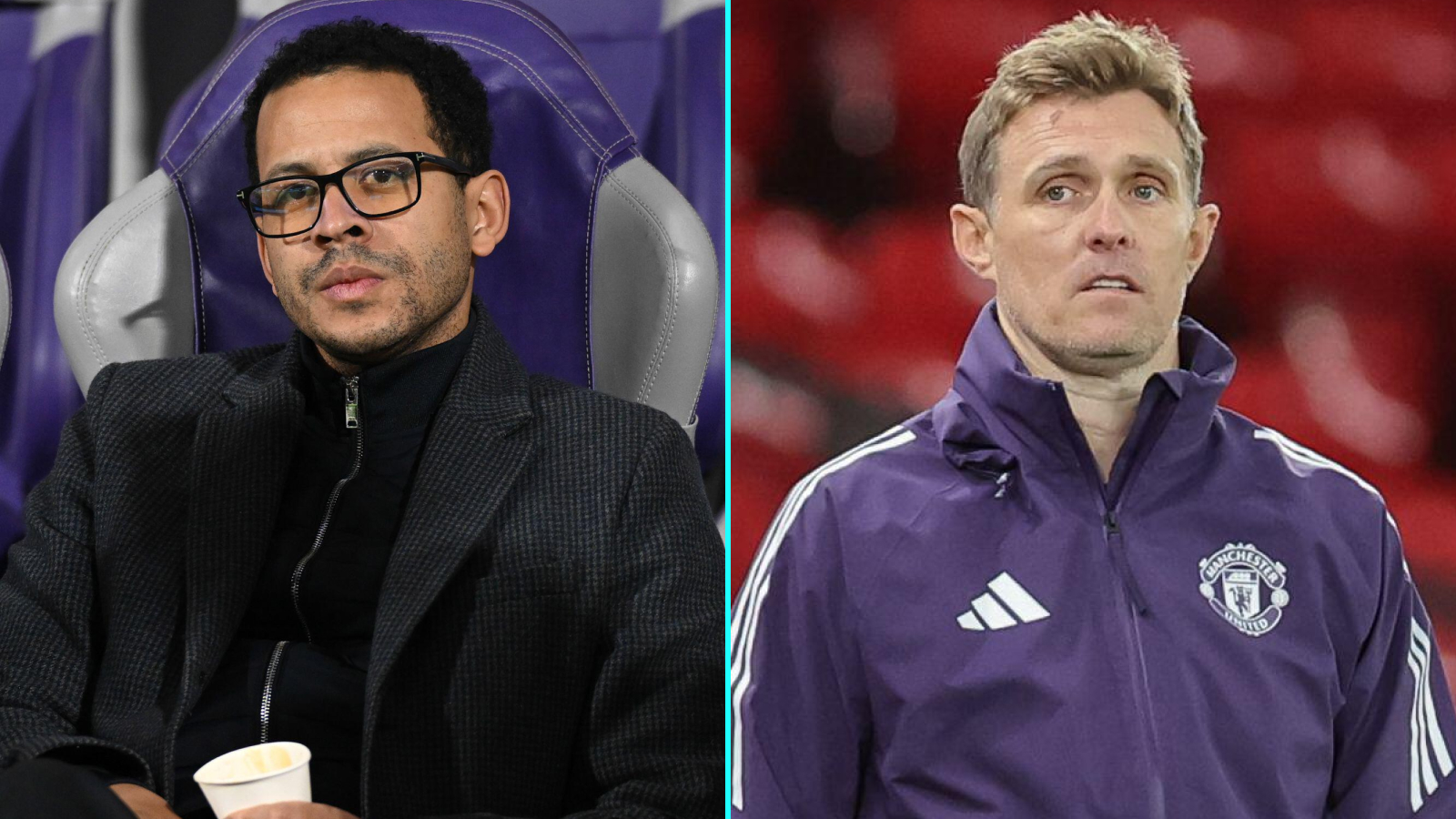
Fast forward to this January, and two fresh managerial appointments present a far murkier picture. Liam Rosenior has landed a controversial six-and-a-half-year contract at Chelsea after shuffling sideways within the BlueCo organisation, whilst Darren Fletcher takes temporary charge at Old Trafford as Ole Gunnar Solskjaer's placeholder. Neither boss can point to the sort of straightforward mandate Moyes inherited.
These remain two of world football's most coveted positions, yet which genuinely offers the better proposition?
Structure and Ownership
Chelsea operate under BlueCo, the US-based consortium that acquired the club in 2022 following Roman Abramovich's forced exit. They've expanded into multi-club ownership with Strasbourg's purchase in 2023. Todd Boehly fronts proceedings publicly, though Behdad Eghbali wields genuine power behind the scenes—he's the figure reportedly at loggerheads with Enzo Maresca over direction.
BlueCo's blueprint involves hoovering up elite young talent worldwide, locking them into lengthy deals to spread costs and satisfy PSR requirements. Since 2022, no Premier League outfit has splurged more than Chelsea's £1.49bn. Yet their ultimate aim remains shrouded in mystery. Are they developing assets for resale? Or genuinely banking on silverware within three-to-four years?
Manchester United's structure mirrors this in certain respects. Jim Ratcliffe's INEOS acquired 29% in February 2024 for £1.3bn, wrestling football operations from the Glazer family's grasp whilst they continue pocketing dividends. Omar Berrada arrived as CEO following his City Football Group tenure, with Jason Wilcox installed as director of football.
Amorim's departure reportedly stemmed from mounting friction with Wilcox over transfers and tactics. United's hierarchy, whilst less autocratic than Chelsea's, still demands managerial deference to its structure. Tellingly, the board afforded Amorim considerably more rope—a 15th-place finish, Grimsby's cup humiliation, and his own assessment of the squad as historically dreadful didn't immediately trigger the bullet. Maresca, conversely, departed after enduring "the worst 48 hours" of his Chelsea career.
Squad Assessment
On paper, Chelsea edge it—glance at the table. Yet both require remedial work.
United's roster blends experienced but ageing personnel with raw talent. Senne Lammens has stabilised goalkeeping, though Ayden Heaven's recent deployment underscores the fragility of their centre-back contingent through injury. Bruno Fernandes and Casemiro aren't growing younger, and Amorim's push for midfield reinforcement allegedly cost him his position. Fresh management might view Kobbie Mainoo more favourably. Matheus Cunha and Bryan Mbeumo provide attacking vitality, though Joshua Zirkzee and Benjamin Sesko remain unconvincing propositions.
Chelsea represent precisely what they are—a youthful squad brimming with potential but lacking the seasoning for consistency. Moises Caicedo ranks among the league's elite midfielders alongside Enzo Fernandez, whilst Estevao glimmers as a future star. Cole Palmer, a former Player of the Year, stumbled through 2025. Their attacking depth—Pedro Neto, Jamie Gittens, Joao Pedro, Liam Delap—offers quantity if not quite quality. Defensively, they're youth-centric, with 28-year-old Tosin Adarabioyo the veteran presence.
Chelsea's potential is undeniable; extracting it consistently depends entirely on managerial acumen.
Historical Perspective
Here, there's no contest. Manchester United occupy football's upper echelon with trophy cabinets to match. Chelsea accumulated silverware pre-Abramovich but boasted just a single league title before the oligarch's arrival. Their modern success—the bulk of their honours—stems from the 21st century.
Recently, though, Chelsea have surpassed United. Two Champions League triumphs since Ferguson's final European glory, equivalent league titles, a Club World Cup and Conference League crown. Chelsea arguably constitute this century's most consistently successful English club.
Yet United dangle something infinitely seductive: the prospect of becoming the first league champion since Ferguson. Managerial ambition thrives on unwavering self-belief, and many convince themselves they're the one to crack it—regardless of evidence suggesting otherwise. That narrative pull towards Old Trafford may ultimately outweigh Chelsea's superior current standing.
Realistic Expectations
Both clubs publicly demand league titles, naturally. Reality dictates a few places below the summit keeps a manager employed.
Chelsea's bar sits higher. Champions League qualification in five of seven seasons means top-four finishes alone won't suffice. For Rosenior mid-season, securing it this term is essential; next season, demands will intensify. A United manager needs merely Champions League football and the accompanying revenue—achieved just once in four years. Fletcher or Solskjaer could realistically accomplish this with the Reds three points adrift of Liverpool.
Methodology matters equally. Chelsea demand managers maximise youthful potential; Rosenior must accept that framework, though the chequebook opens for prospects rather than established superstars. United's post-Amorim transfer policy remains nebulous. The Portuguese enjoyed near-total autonomy until suddenly he didn't. Both clubs operate on a "take what you're given" basis.
The Verdict
By virtually every metric, Chelsea present the more rational choice. Stronger squad, recent success, financial backing. Yet United's historical magnetism and the seductive notion of etching yourself into legend might yet prove decisive. Rosenior's appointment is done, but don't rule out Old Trafford luring another heavyweight.
Compare options