Carrick's Purple Patch: Why Keeping Him Might Be the Head Ruling the Heart at United
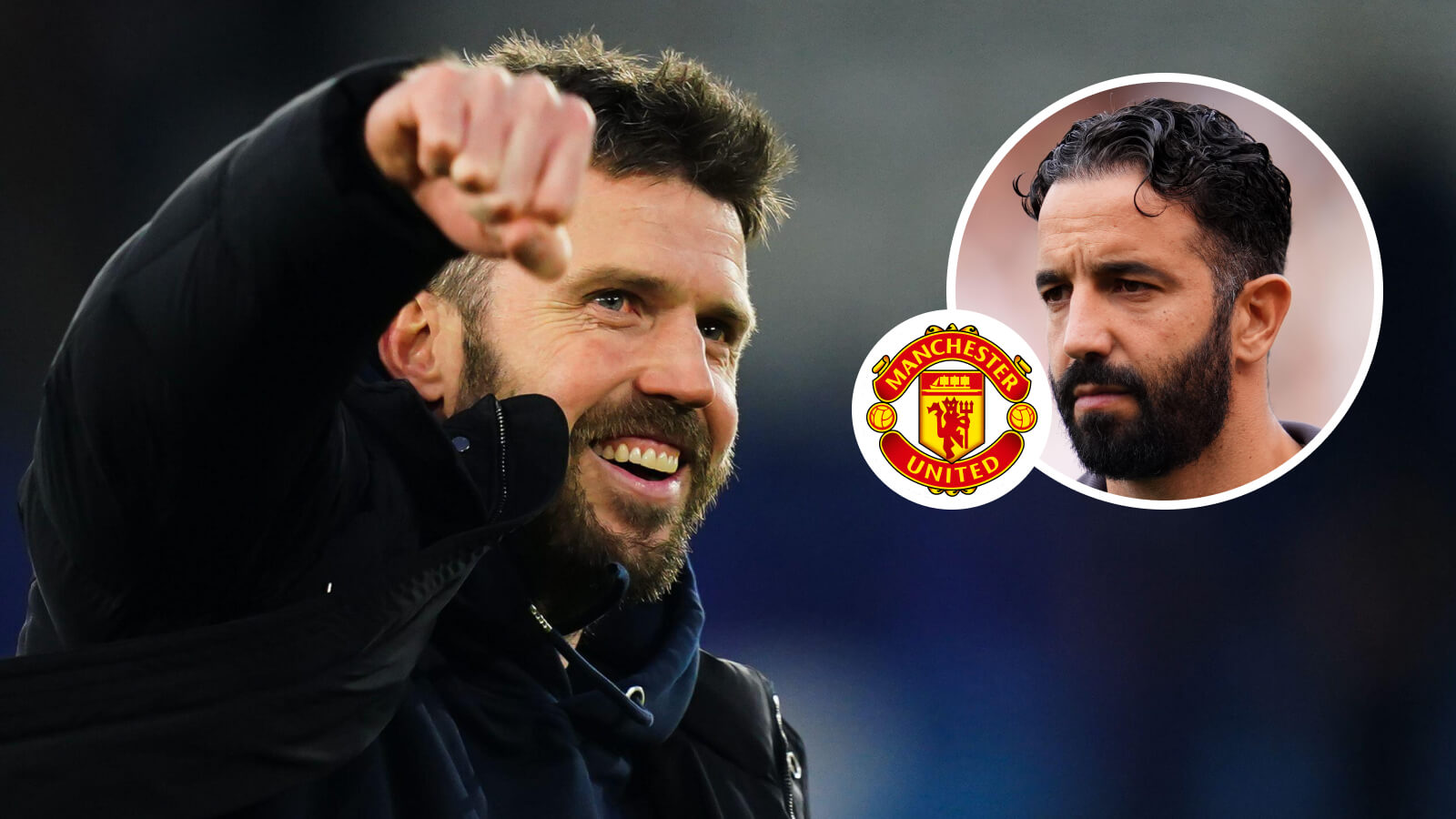
Michael Carrick has steered Manchester United to results that would make any title contender blush. Since stepping into the breach, he's accumulated points at a 2.2-per-game rate—outpacing both City and Arsenal across their entire seasons. Yet beneath that glittering surface lies a debate worth having: should the club commit to him permanently, or is this merely a temporary respite before the real work begins?
The numbers deserve scrutiny. Thirteen games is a thin slice of a season, and history offers a cautionary tale. Earlier this term, Aston Villa reeled off 12 wins in 13 league matches, accumulating 2.76 points per outing—a pace that would yield 105 points across a full campaign. They're not winning the league. Runs of that quality inevitably balance out against periods of underperformance. Manchester United, by most measures, are not a title-winning proposition, so expecting this trajectory to hold seems optimistic at best.
More revealing is the comparison with Ruben Amorim's tenure. When examining a directly comparable 10-game window—from the Sunderland home match when Onana became established in goal through to Bournemouth at home, before AFCON departures and Bruno's injury—Amorim managed 1.9 points per game. That's a gap of just 0.3 per game, or roughly four points across a season. Marginal. Had one of Carrick's narrow victories gone the other way, the picture would be almost identical.
The underlying data paints an intriguing picture. Under Amorim, United ranked among the league's elite in attacking metrics: chances created, touches in the box, shots on target, possession, and expected goals. Since Carrick's arrival, those numbers have declined. Results matter most, undoubtedly, but performance metrics suggest something may be unsustainable here. The team is being less profligate in front of goal and conceding fewer clear-cut opportunities—but that's not the same as playing better football.
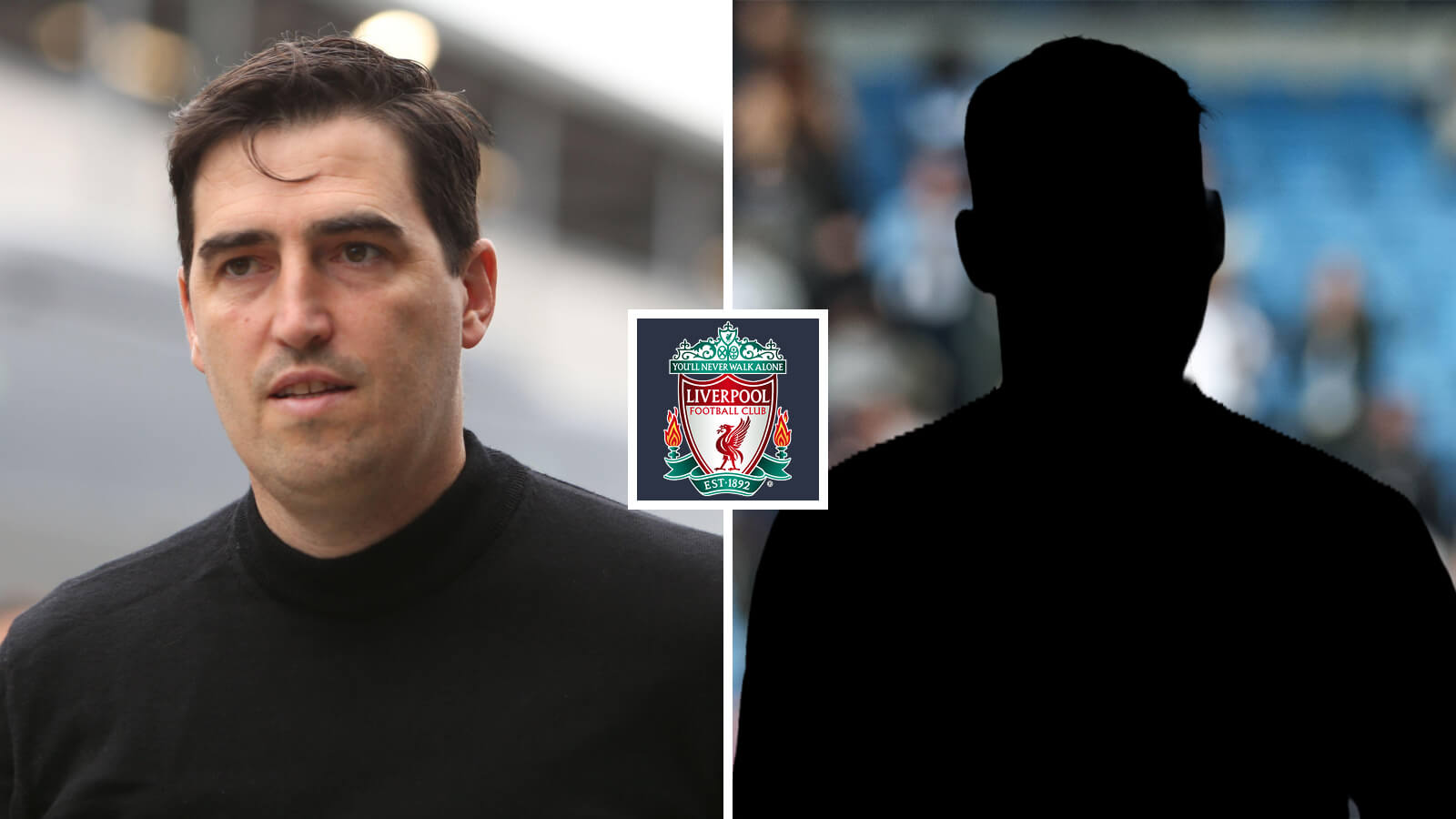
The availability question complicates matters further. Supporters often cite Luis Enrique as the only figure they'd prefer to Carrick, which raises eyebrows. Strip away his caretaker role at United, and his CV features mid-table finishes in the Championship with Middlesborough. Kieran McKenna boasts stronger credentials, yet few fans clamor for his appointment. Meanwhile, Andoni Iraola has demonstrated considerable nous at Bournemouth, delivering the high-intensity attacking football United crave while remaining available. The speed with which some dismiss him seems hasty.
Perhaps the truth is simpler: Carrick represents security in uncertain times. After years of managerial carousel, the prospect of something familiar and stable holds genuine appeal. He understands what Manchester United should look like, having experienced it firsthand. The players appear content. He's managed with a midfield deemed incapable of success, an ever-rotating center-back partnership, and a forward line that's misfired regularly. These are legitimate points.
Yet they're emotional arguments, not cerebral ones. The fundamental case remains murky. There's no real dominance on display, and even the impressive results haven't arrived alongside scintillating performances.
A pragmatic middle path might serve: a two-year contract for Carrick, offering stability while keeping the door open for a generational talent to emerge elsewhere. This buys time, steadies the ship, and allows the board to focus on what truly matters—recruiting genuinely elite players. Come summer, United face the prospect of fielding just one center-forward and one central midfielder. That won't cut it when the fixture list swells to 50-plus games annually.
The decision looms large. It's between Carrick and not-Carrick. Without a genuinely compelling alternative, sticking with the interim manager on a defined term makes sense. Just don't mistake it for a ringing endorsement—it's pragmatism dressed up as continuity.
Compare options