Liverpool's Iraola Gamble: High-Octane Football Meets Squad Reality
The Case for Heavy Metal Football
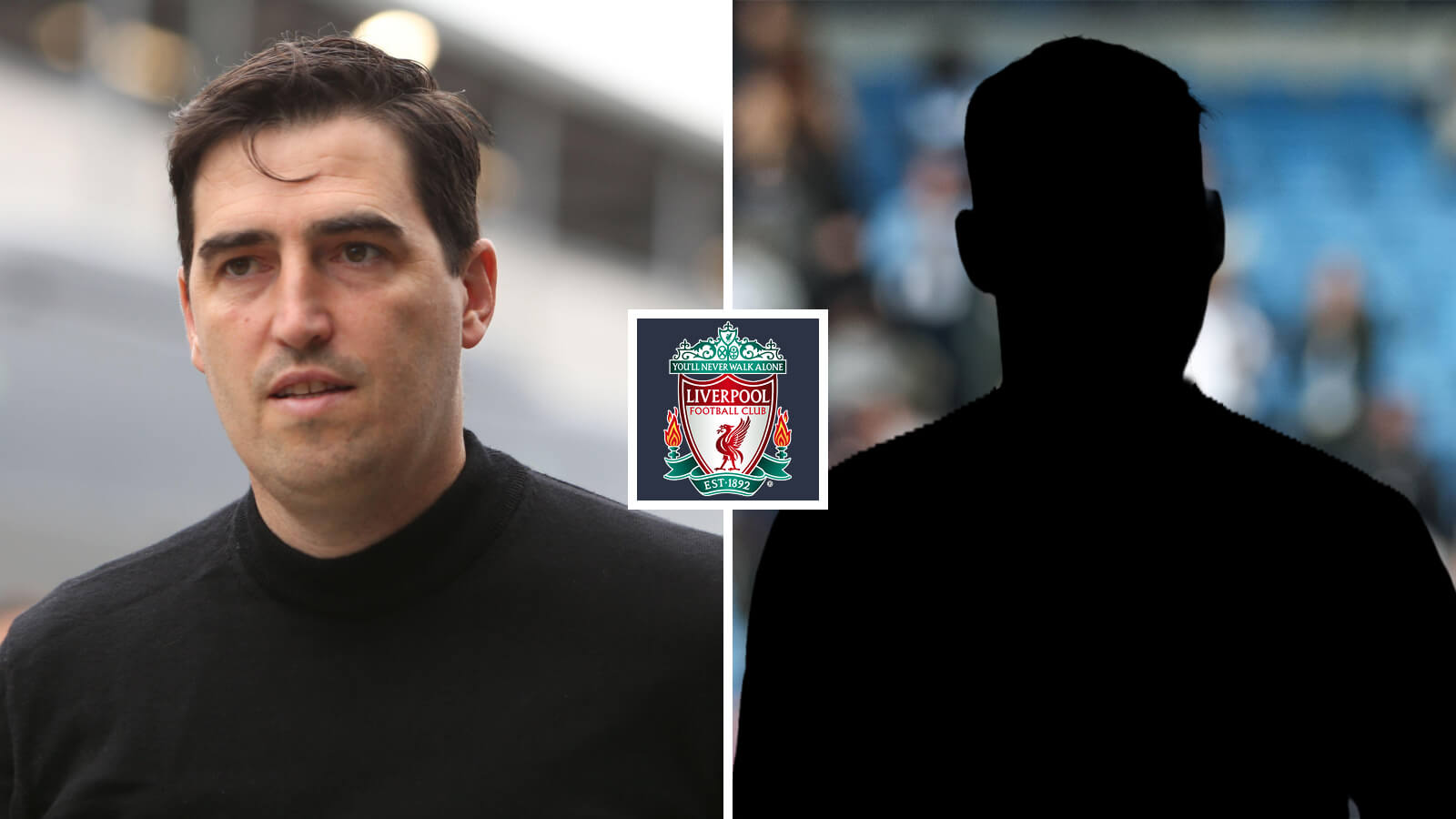
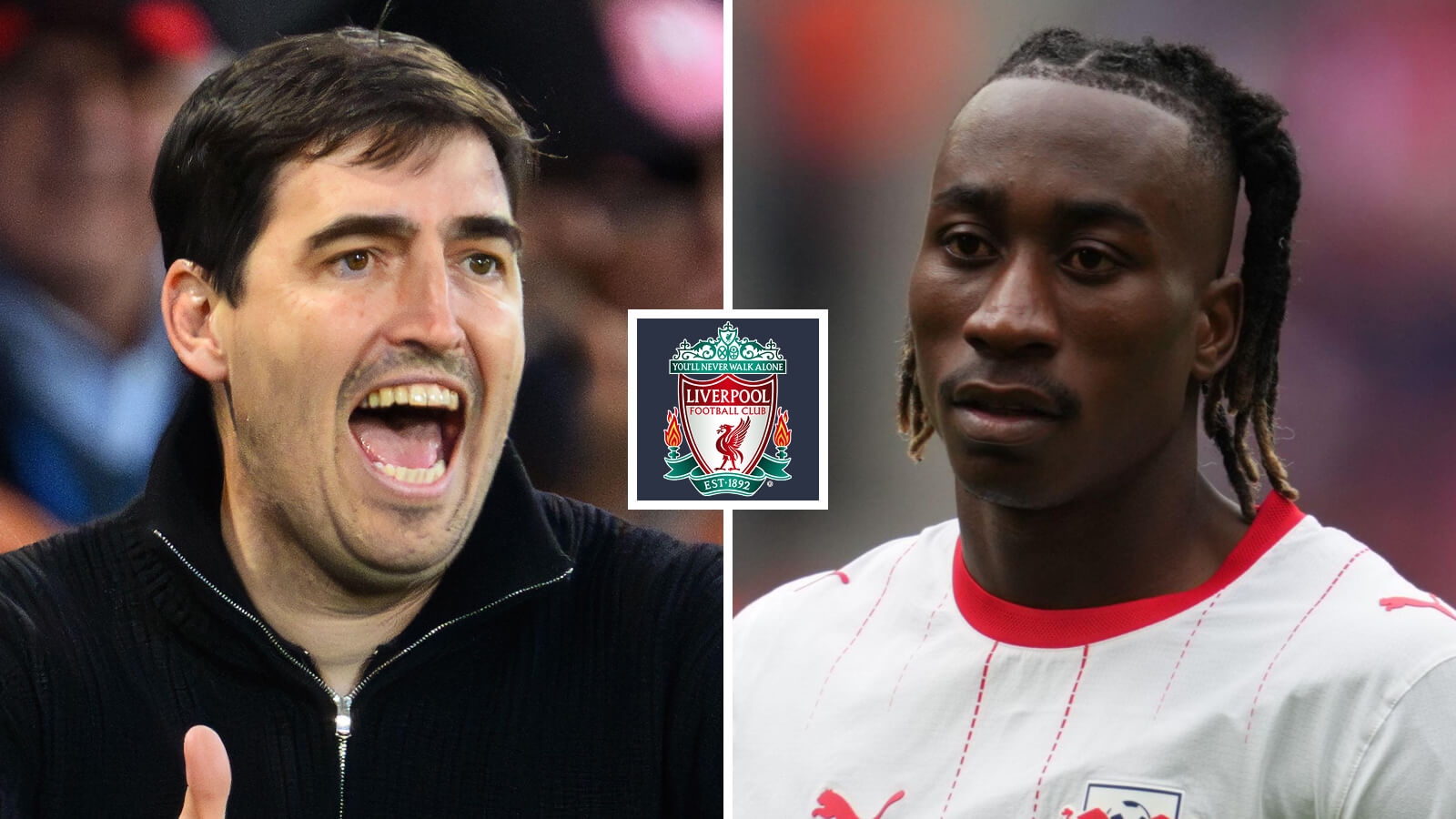
There's something undeniably appealing about Liverpool's pursuit of Andoni Iraola. The Bournemouth manager represents a return to the relentless pressing and high-energy football that defined Jürgen Klopp's tenure—the kind of football that made Anfield vibrate and opponents uncomfortable in equal measure.
Last season, only Liverpool itself pressed opponents in the final third more frequently than Bournemouth, who ranked among the Premier League's most aggressive pressing sides. That's the sort of intensity Liverpool supporters have grown to crave. It's football played at maximum volume, where possession is reclaimed almost before opponents realise they've lost it.
The appointment makes stylistic sense. After a year under Arne Slot—a more measured, possession-focused approach—swapping that entirely for measured football felt like asking lifelong metalheads to spend Saturday evening listening to ambient soundscapes. Some supporters embraced the change. Others spent the entire season wondering when the intensity would return.
The Uncomfortable Questions
Yet beneath the surface appeal lies a troubling reality. Iraola's two-year contract—reportedly his preferred arrangement—dovetails suspiciously with the departure of Richard Hughes and Billy Edwards next summer. That timing raises eyebrows. Are the club genuinely rebuilding for long-term success, or are departing executives covering their reputations before they exit?
At Bournemouth, Iraola could operate at full throttle partly because the club plays only one game weekly and operates as a selling side. Players are offloaded before physical deterioration sets in. Liverpool, meanwhile, face Champions League football and a squad that cannot simply be dismantled and rebuilt mid-cycle.
The injury profile last season tells its own story. These weren't the soft-tissue complaints born from overexertion under Klopp. They were calamitous, season-ending injuries clustering in specific positions. Slot's first year actually delivered an enviably low injury rate—a key reason the title was won despite what rival supporters claimed was fortunate timing.
The Recruitment Puzzle
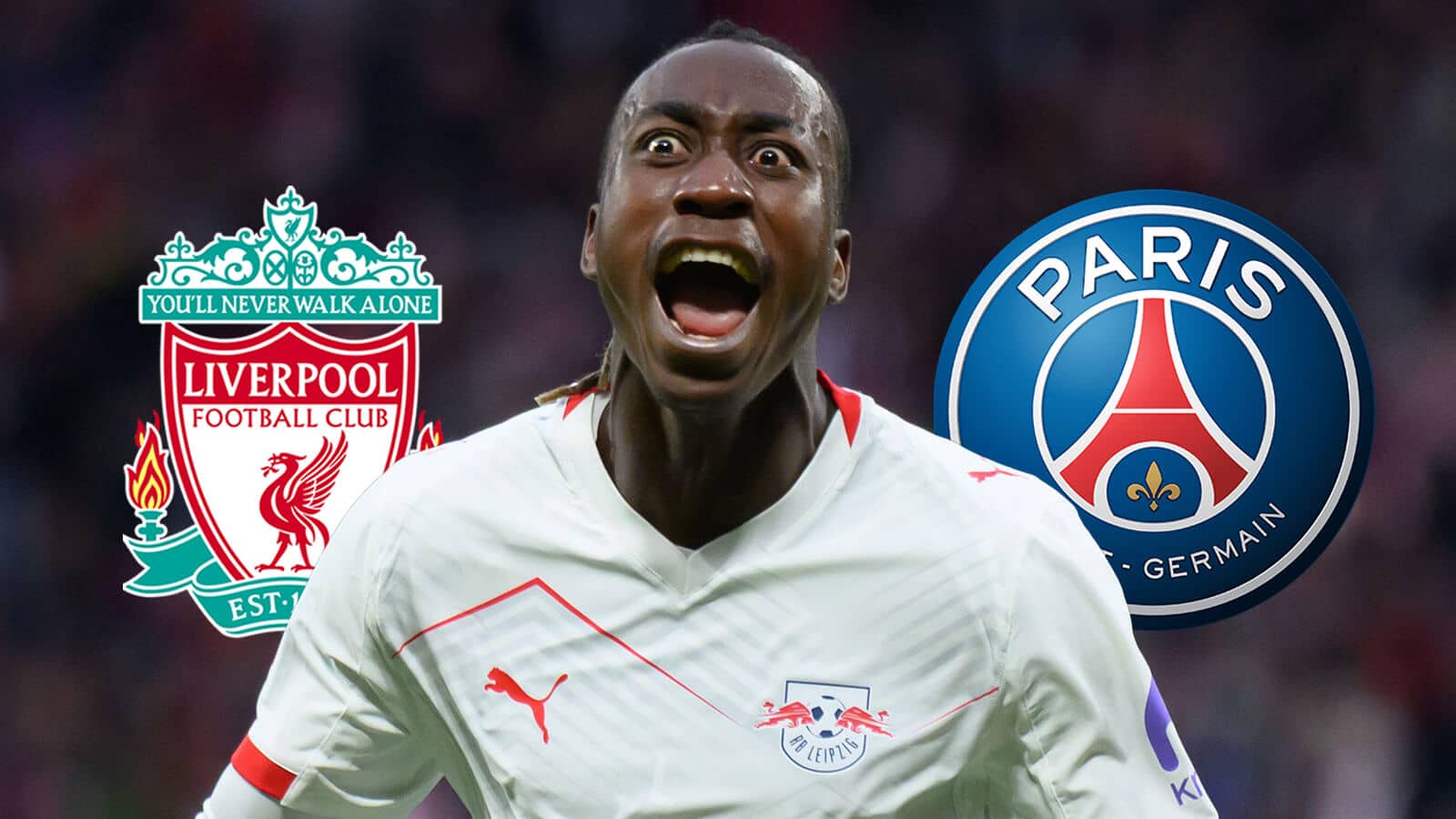
More concerning is where the club's resources are flowing. Diomande arrives as another attacking option when Liverpool's desperate need screams for defensive reinforcement. Centre-back cover remains a gaping hole. Yet the pursuit continues for shiny attacking talent rather than addressing fundamental vulnerabilities.
With Financial Fair Play constraints limiting headroom and last season's performances so poor that selling underperforming attackers for reasonable fees appears impossible, Liverpool appear to be backing a manager with a system requiring entirely different personnel. It's a mismatch waiting to become a problem.
The alternative—retaining Slot, giving his methods a second year without last season's injury carnage, and properly addressing defensive gaps—might have represented the more prudent path. Instead, Liverpool are rolling the dice on high-octane football with a squad that simply lacks the pace and durability for Iraola's all-gas-no-brakes approach.
The Bigger Picture
Factor in the constant stream of departures on free transfers, players rejecting the club for rivals, and the loss of Xavi Alonso—no guarantee of success, but arguably a better fit for the existing squad—and a legitimate question emerges: are Hughes and Edwards actually planning for Liverpool's future, or are they simply protecting their own legacies before the exit door?
The heavy metal football may indeed inspire supporters. But nobody writes great albums about sensible squad planning and defensive stability. Sometimes, though, that's precisely what a club needs.
Compare options