From Four Stars to Familiar Pain: Germany's Descent into England Territory
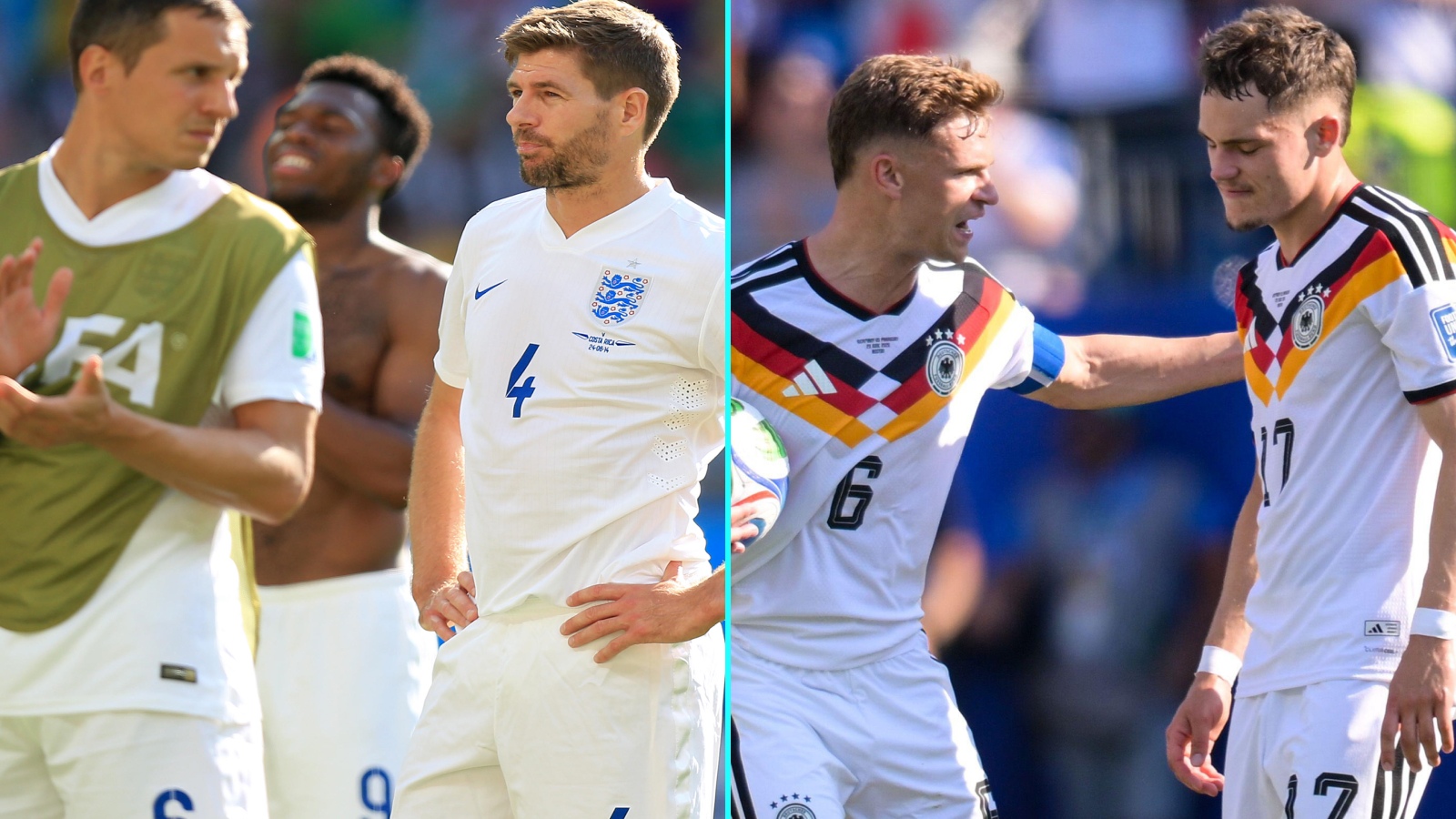
The unthinkable has happened. Germany, once the gold standard of World Cup consistency, now looks uncomfortably like the very nation they've watched stumble through tournament after tournament: us.
Paraguay's stubborn resistance proved too much for Nagelsmann's side, and when the shoot-out came, the old certainties crumbled. Three misses from six attempts shattered what had been an impeccable record—44 years without a single penalty miss at a World Cup finals. That streak is gone, and with it, the last shreds of the aura that defined German football for generations.
It's genuinely tough to stomach. With eligibility to represent either nation, there was a genuine chance to finally back a World Cup winner on the global stage. But the moment the wagon was boarded, the wheels fell off completely.
What's particularly galling is how familiar it all feels. Two group-stage exits and now this humiliation across three tournaments since 2014—that's not bad luck, that's systemic rot. Germany's struggles have become ingrained, and they're starting to resemble the very failings that have haunted English football for decades.
The irony is particularly sharp given that England, now managed by a German and riding recent tournament success, actually looks more like the Germany of old than Germany itself. Under Gareth Southgate's successor, the Three Lions scraped through their group without convincing anyone, yet there remains genuine hope they'll find another gear. That optimism simply wasn't present in the German camp before kick-off, and certainly not once the tournament began.
Germany's media wasted no time in the post-mortems. Bild tore into the display as "disastrous, truly awful"—"slow, boring, lethargic." Die Zeit lamented a "lack of imagination" and the loss of former glories. Suddeutsche Zeitung deemed it more embarrassing than the Qatar disaster. The self-flagellation is complete and utterly English in character.
Adding fuel to the fire: Jonathan Tah's extra-time goal was ruled out, a decision that will haunt this campaign just as the Lampard line-crossing incident haunted another era. The injustice compounds the misery.
Now comes the reckoning. Does Nagelsmann stay, or does Germany turn to Jürgen Klopp?
The former Liverpool manager has already apologised for his overbearing presence during the tournament, calling himself an "idiot" for undermining the current boss. Yet there's method to that madness—Klopp's clearly bored and hungry for a return to management. The pressure to appoint him will likely prove irresistible, and frankly, it might be exactly what Germany needs.
Under Nagelsmann, this German team is joyless. The players don't appear to be enjoying themselves either, despite considerable talent in attacking areas. Kai Havertz, Florian Wirtz, Jamal Musiala, Leroy Sané—all proven winners, most having commanded enormous transfer fees. The best among them hasn't moved for big money, which perhaps tells you something.
Germany's problem isn't necessarily one of talent. It's one of atmosphere, belief, and identity. Before they can rebuild, they need to remember how to have fun playing for their country again.
Klopp offers that possibility. He brings personality, charisma, and a track record of restoring pride to wounded institutions. Nagelsmann, by contrast, seems to be grinding through the role without enjoying it.
The German federation will inevitably conduct another thorough review once the initial fury subsides. They've done this before—ahead of tournaments in 2006 and 2024—and it rarely produces the desired results. But perhaps this time, with Klopp waiting in the wings and the weight of history pressing down, things might be different.
At least Germany can take one small consolation from their misery: they're not Italy. And with a fresh start on the horizon, there's still time to prove that the last decade of decline was merely an aberration rather than a new normal.
Compare options