The Fall of Frank: How Arsenal Fandom and Dressing Room Discord Forced Spurs' Hand
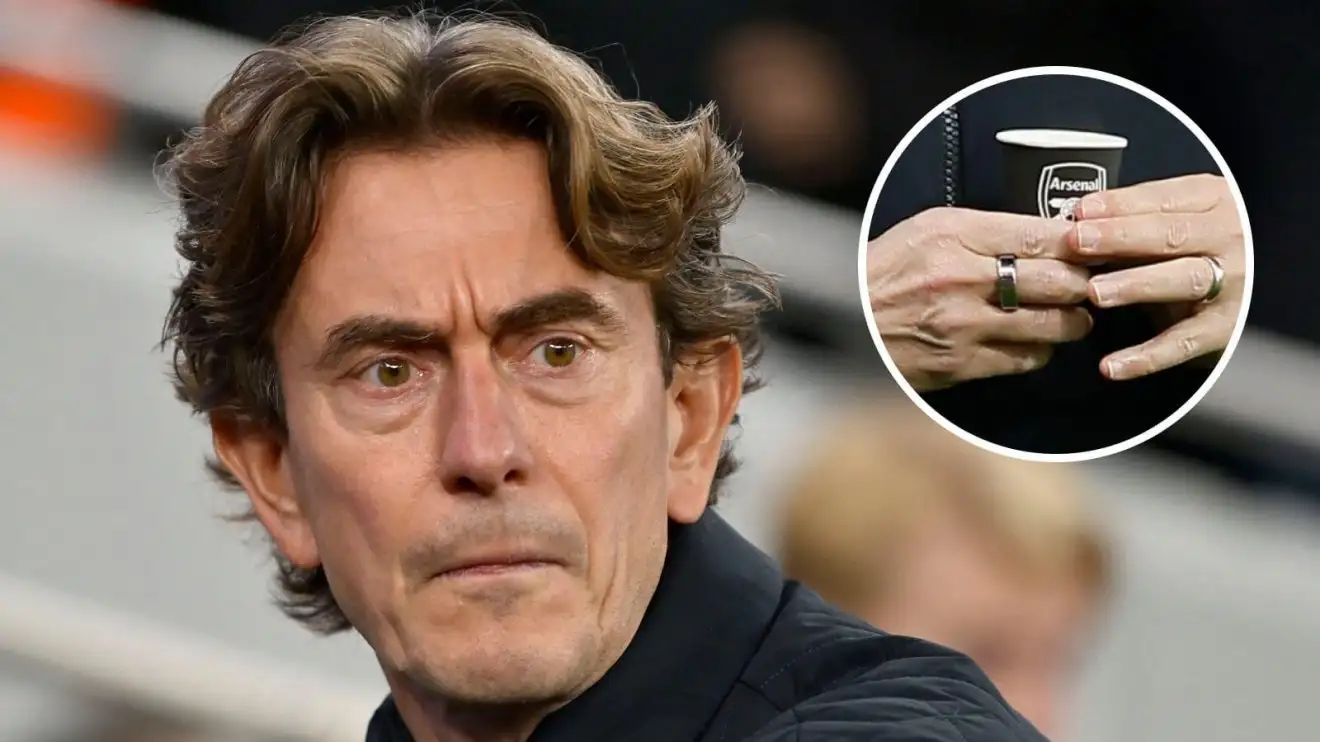
Thomas Frank's departure from Tottenham has exposed a deeply fractured relationship between manager and squad, one that festered quietly before exploding into the open when relegation became a genuine threat.
The Dressing Room Divide
The muted response from Spurs players to Frank's exit tells its own story. While Pedro Porro and Joao Palhinha offered swift social media tributes, the conspicuous silence from others suggested a gulf had opened between the manager and his troops. Reports indicate Frank concentrated his attention on a tight circle of trusted players, leaving the remainder starved of individual contact or direction.
The cultural experiment that had worked wonders at Brentford—Frank's famous "no dickheads" policy—simply failed to translate. Timekeeping issues plagued the squad throughout his tenure, with Yves Bissouma serving as a prime example: dropped from the Super Cup squad against PSG following repeated incidents, ostracised, then suddenly recalled during an injury crisis for the catastrophic West Ham defeat in January.
Some players found his management indecisive, particularly those accustomed to Ange Postecoglou's commanding presence. Yet there remained pockets of support for a boss who, according to some quarters, genuinely prioritised his squad's interests over personal agenda.
The Romero Problem
Captain Cristian Romero emerged as a flashpoint that epitomised deeper management failures. Club insiders suggested the Argentine defender received privileges unavailable to teammates, a perception that undermined Frank's authority across the board. His final act—being sent off after half an hour against Manchester United whilst the manager had publicly criticised the club for insufficient January reinforcements—felt grimly symbolic.
Tactical Confusion and Lost Direction
As form collapsed, confusion reigned on the training ground. Players reported bewilderment at Frank's tactical instructions, struggling to comprehend what was being asked of them. His approach shifted dramatically, sometimes abandoned entirely before kickoff or minutes into matches, leaving the squad perpetually uncertain.
Rather than imposing Spurs' attacking strengths, Frank became obsessed with negating opponents. The emphasis fell heavily on defensive shape and nullifying threats, with insufficient focus on how Tottenham might hurt opposition. This defensive-minded approach in games perceived as winnable only deepened player frustration.
Why Now?
Frank had endured months of mounting pressure. The Chelsea defeat in early December prompted a fractious team meeting where new arrivals expressed shock at the intensity of longer-serving players' grievances regarding the perceived disconnect between manager and supporters. Some executives recommended his dismissal following the November home loss to Fulham.
The West Ham debacle on January 17 proved the turning point. The ferocity of chanting against Frank forced the Lewis family ownership and chief executive Vinai Venkatesham to seriously consider their options. A senior managing director was confronted by an irate supporter in the hospitality section that evening—a moment that irreparably damaged faith in the appointment.
Yet the club resisted immediate action, partly through uncertainty over viable replacements. Four games later, however, with Spurs sliding to 16th place and facing genuine Championship peril, the mathematics became impossible to ignore. The risk of dropping down represented hundreds of millions in lost revenue. The Newcastle defeat delivered the final blow, and with twelve days before the north London derby, the window existed to make a change.
The Arsenal Obsession
What emerged most damaging was Frank's seemingly involuntary habit of referencing Arsenal in glowing terms. The Dane repeatedly praised the Premier League leaders to his squad, much to their irritation. Holding an Arsenal-branded coffee cup before the Bournemouth match in January proved the final straw for many. Players grew sick of hearing how superior their arch-rivals were, with one source recalling: "Even before and after the game at the Emirates, he was telling them how good Arsenal were."
Transfer Window Misery
Summer recruitment proved hamstrung by uncertainty over European qualification, truncated further by the delayed decision to sack Postecoglou. Bryan Mbeumo, Frank's primary target, had already committed to Manchester United by the time the new manager arrived in mid-June. Antoine Semenyo remained unattainable at £70m. The Morgan Gibbs-White pursuit descended into farce. Most damaging: Eberechi Eze, whom Spurs mishandled in negotiations, ended up at Arsenal instead.
January's window saw Conor Gallagher and Souza arrive, yet the early sale of Brennan Johnson to Crystal Palace—the summer's Europa League hero—sent a message that contradicted promises made to players about investment in the post-Levy era.
What Comes Next?
The shortlist ranges from Roberto De Zerbi to John Heitinga, Robbie Keane, and Tim Sherwood. More intriguingly, Gareth Southgate has admirers within the Spurs structure, with senior figures believing the former England manager's leadership and player-management skills could restore order to a fractious dressing room. Sean Dyche remains another option.
For now, Frank's obsession with Arsenal and his failure to connect with either players or supporters has ended his Tottenham experiment after just six months. The relegation fight continues, but at least the club has finally acted.
Compare options