Lampard's Coventry Ascent Exposes Our Haste in Judging Former Players in the Dugout
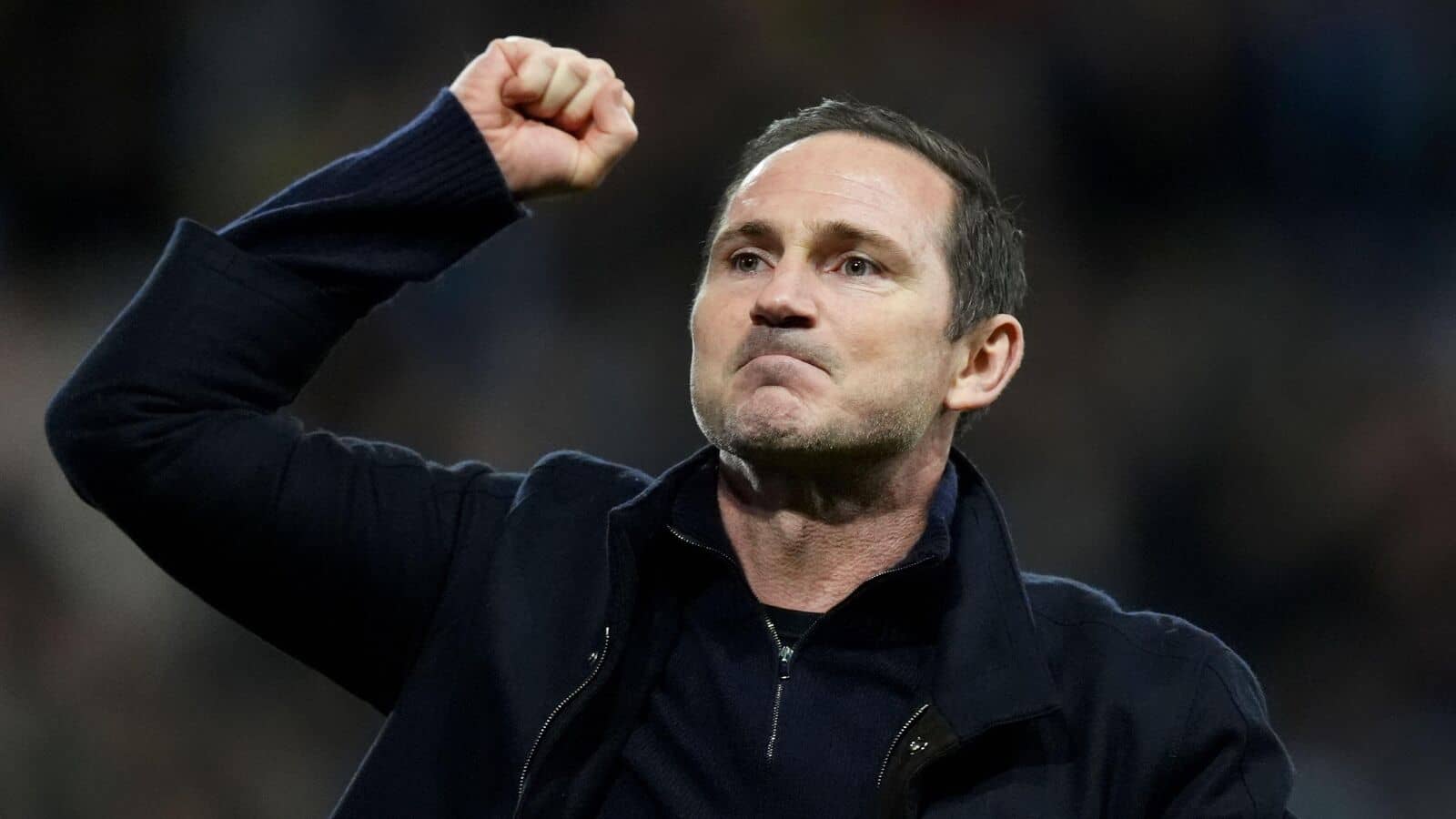
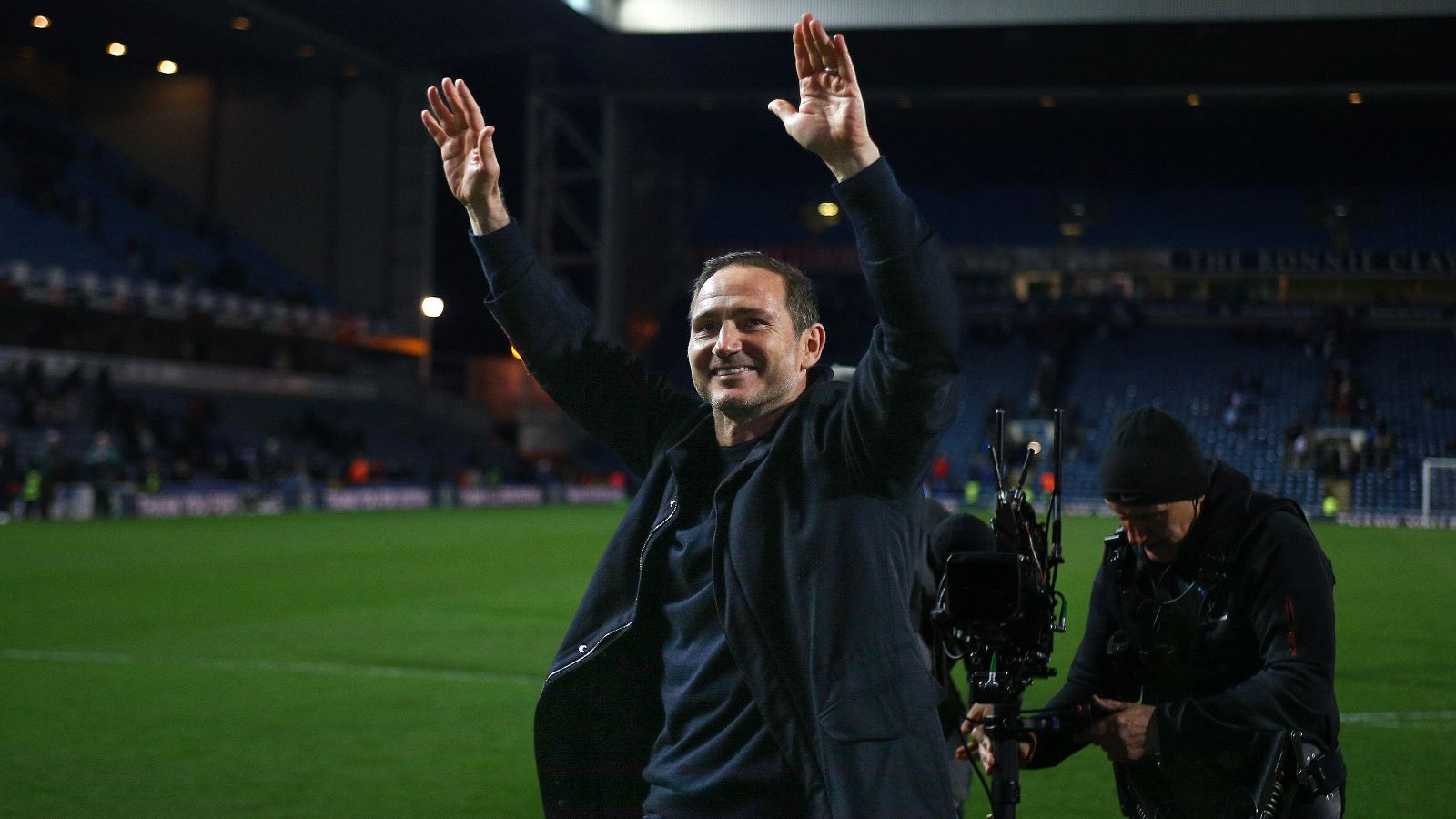
When Frank Lampard arrived at Coventry City in November 2024, the club were languishing in 17th place in the Championship. The mood surrounding his appointment was decidedly lukewarm. Yes, there was sympathy for Mark Robins' departure—a manager who'd steered them to the FA Cup semi-finals and Championship play-off final in consecutive seasons. Yet the scepticism extended beyond that. Many observers simply didn't believe Lampard had earned the role on merit, suggesting instead that his playing pedigree alone had secured the position.
The question worth asking: how far down the pyramid would Lampard have needed to venture before detractors stopped dismissing him?
His managerial CV, whilst not glittering, hardly warrants the dismissal he's received. Derby County reached the Championship play-off final under his stewardship—hardly the mark of incompetence, even if promotion eluded them against an Aston Villa side bursting with quality. The Championship is notoriously unforgiving; getting out is the exception rather than the rule.
His Chelsea return felt ambitious, admittedly. Yet with a transfer embargo in place, Lampard's remit was clear: develop academy talent. Reece James and Tammy Abraham graduated to the first team. Mason Mount and Fikayo Tomori, both Derby loanees, found their footing. A top-four finish followed. Thomas Tuchel subsequently inherited a better-equipped squad and lifted the Champions League trophy—but that doesn't invalidate what Lampard had built.
Everton brought Premier League survival. His caretaker stint back at Chelsea yielded just one win from eleven games—a difficult hand to play, admittedly. By then, the narrative had hardened: Lampard was finished at the elite level.
Except he wasn't. Coventry now sit in pole position for promotion, their first top-flight campaign in 25 years within touching distance. With five matches remaining, they boast a 12-point cushion in the automatic spots. Lampard has done it the proper way—through performance, not patronage.
The broader principle here matters far more than one manager's redemption arc. Young coaches, like young players, require patience and opportunity. They shouldn't be discarded wholesale because their playing careers cast long shadows.
Plenty of former professionals have attempted management and fallen short. Some never receive a second chance. Meanwhile, the football world revels in their struggles—schadenfreude has become the default setting. Perhaps it stems from jealousy: these individuals were vastly superior to us mere mortals with a ball at their feet, so the notion that they might struggle in the dugout feels somehow vindicating. Yet that reasoning doesn't hold water. Nobody genuinely believes they could manage a professional football club.
Former elite players do face heightened scrutiny. Standards applied to them often mirror those reserved for established elite managers—an unfair yardstick. They're held to impossible benchmarks and, unsurprisingly, many fall short. That doesn't render them incapable of doing decent work.
There's nothing inherently wrong with taking a different route through management, learning the trade, and trying again if initial attempts disappoint. Some will ultimately fail; that's inevitable. Others will succeed. A few might enjoy reasonable caretaker spells at their former clubs without ascending further. None of this is scandalous.
Yet are we culpably hasty in writing off individuals who might genuinely contribute to the game?
Lampard's prospects have improved markedly in recent years. Could another Chelsea chapter materialise? Unlikely. He remains plenty to prove before that conversation becomes relevant, but he's evolved into a more-than-serviceable Championship operator and will soon test himself in the Premier League.
Consider his former England teammates. Steven Gerrard and Wayne Rooney have both been out of work for over a year following their departures from Al-Ettifaq and Plymouth Argyle respectively. Their ambitions of managing Liverpool and Manchester United now seem fanciful given recent performances. Does that warrant permanent exile from management altogether? Gerrard oversaw Rangers successfully until five years ago. He wasn't the right fit for Aston Villa, and his Saudi sojourn arguably diminished his standing, yet he doesn't deserve complete obliteration from the profession. A Rangers return was even mooted this season before being rejected. Still, he'll almost certainly face the same premature judgment if he takes another English job.
A decade ago, imagining Gerrard managing Liverpool felt entirely plausible.
These former players have earned their coaching badges—the regulations demand it. When they underperform, scrutiny is warranted and consequences are appropriate. They're not entitled to top positions merely because of who they were. But neither should they be condemned to managerial purgatory for failing to become Pep Guardiola.
Some will abandon their coaching ambitions within ten years, perhaps sooner. Might that represent a genuine loss? In certain instances, probably not. Yet when England eventually needs a new manager and the available options prove uninspiring, we might pause and wonder whether the country squandered homegrown talent through casual cruelty and impatience.
Compare options