Football's Golden Era: Why the 90s Really Were the Peak
Forget the marketing spin—after half a century watching the game, the evidence is clear: football reached its zenith in the 1990s.
The disconnect between how the sport is sold and what fans actually experience has become almost comical. Slick promotional campaigns show children fawning over superstars while slow-motion montages promise breathtaking artistry. The reality? Shelling out £60 to stand in the drizzle watching 11 bodies pile into a corner kick like a school playground scrum. And you're meant to say thank you.
The Nostalgia Question
Sure, every generation romanticises the era when they were aged 10 to 25—that's human nature. Strip away the rose-tinted glasses, though, and certain truths emerge. After 55 years observing the professional game, the gap between aspiration and reality has never been wider. The current wave of discontent about match quality isn't merely sentimental griping.
The financial model plays a crucial role. When admission was free or genuinely affordable, even a dreadful performance didn't sting quite so viciously. Today's supporters fork over substantial sums to watch players earn in seven days what takes them five years to accumulate. That breeds resentment, particularly when the entertainment barely justifies the ticket price.
The 70s Were Hardly Perfect
Those who dismiss these arguments as the wistful rambling of pensioners miss the point. Take the 1970s—yes, that's when this writer came of age, but that era deserves honest appraisal. Certainly, there was greater tactical variety and a rawer intensity on waterlogged pitches. Yet half each match consisted of aimless back-passes to the goalkeeper. The tedium was real. What made it bearable was the 50p entry fee to Middlesbrough's Holgate—equivalent to two pints—and the knowledge that the sport remained accessible to ordinary working people. You might be bored, but you didn't feel robbed.
Football was also insular and homogeneous. Foreign players were virtually non-existent. Managers clung to outdated orthodoxy. England's 12-year World Cup drought barely prompted self-examination; the establishment stubbornly believed British grit would eventually triumph over continental craft. Violence saturated the terraces during the 1980s, driving away countless supporters.
The 90s: The Sweet Spot
The conclusion drawn after extensive analysis: the 1990s offered the optimal fusion of footballing excellence with genuine fan accessibility.
The back-pass rule transformed the game fundamentally. Though the squad composition remained predominantly British, elite overseas talent had finally arrived. Mavericks and flamboyant players thrived. Ticket prices, whilst rising, hadn't yet become prohibitive. Television coverage expanded dramatically. And crucially, you stood a reasonable chance of leaving the ground without violence.
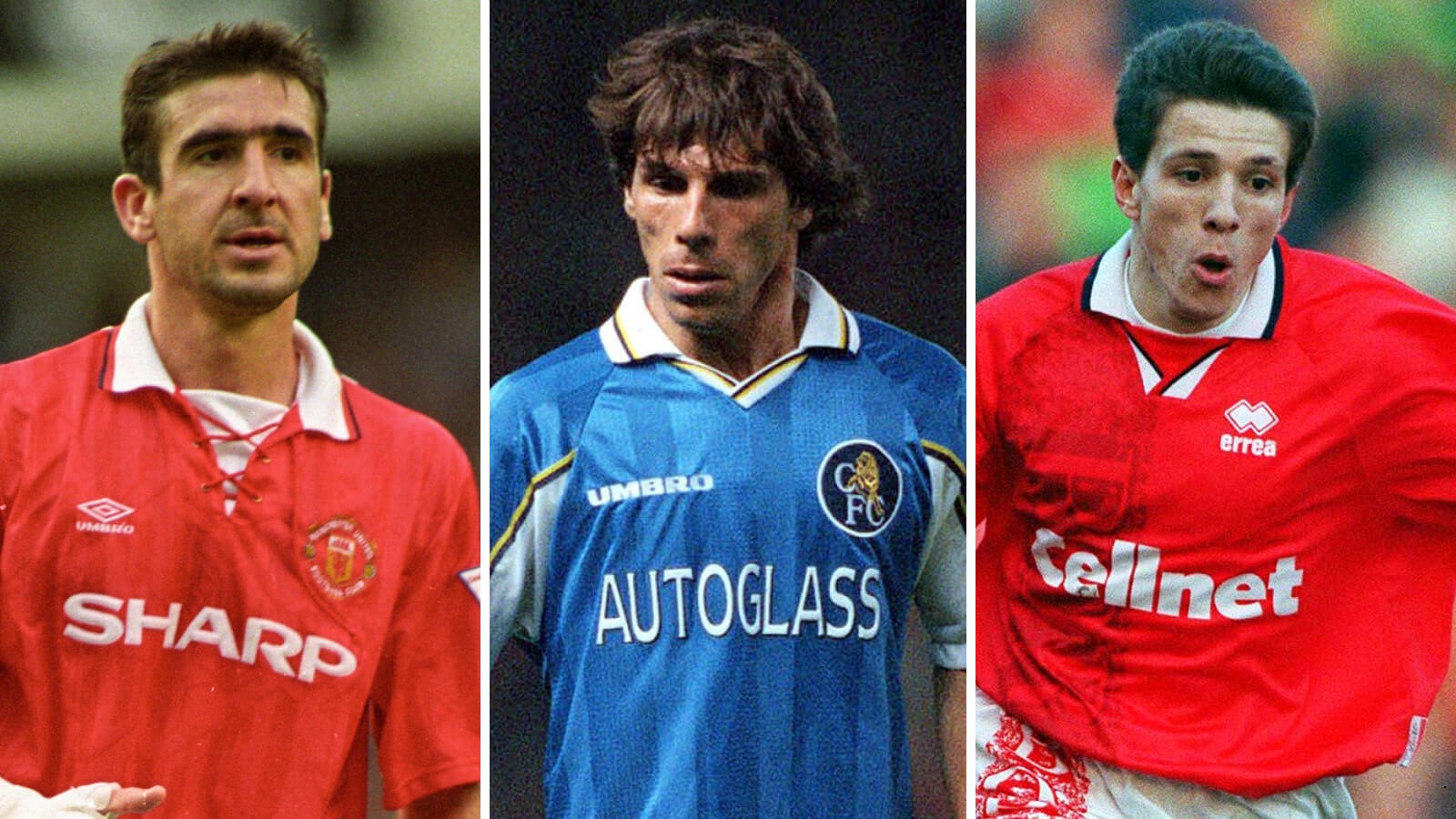
The era boasted genuine superstars worth paying to witness: Gascoigne's unpredictability, Cantona's swagger, Kinkladze's silky touch, Juninho's Brazilian flair. The list stretched long. These weren't manufactured celebrities—they were genuinely exceptional performers who operated with freedom.
The Modern Malaise
Contemporary stars pale by comparison. They excite sporadically or operate within suffocating tactical constraints as clubs worship the 7/10 performance, terrified of the 4 or the 9. Take Declan Rice—undoubtedly a fine player, perpetually drenched in sweat, yet he inhabits a different universe from Bryan Robson. That earlier generation played like human dynamos; we've collectively forgotten what genuine, uninhibited excellence looked like.
Modern football appears tame, overthought, timid and desperately risk-averse when held against footage from three decades past. Yes, it's a generalisation with exceptions, but the pattern holds. Tellingly, the game's financial trajectory appears to follow an inverse relationship with viewer satisfaction.
One observation captures something profound: "Football was an escape, a form of entertainment, a spectacle of skill and talent…now it feels like work." That sentiment resonates far beyond one disgruntled correspondent.
Trust Your Eyes
The authorities and their media partners have constructed an alternate reality where marketing bluster substitutes for truth. Don't be embarrassed about acknowledging what your eyes tell you. The 1990s genuinely were superior. Some truths are objective, regardless of what the industry wants you to believe.
Compare options