World Cup 2026 to Usher in Sweeping Law Changes: More VAR, Tighter Timeouts, and Crackdowns on Gamesmanship
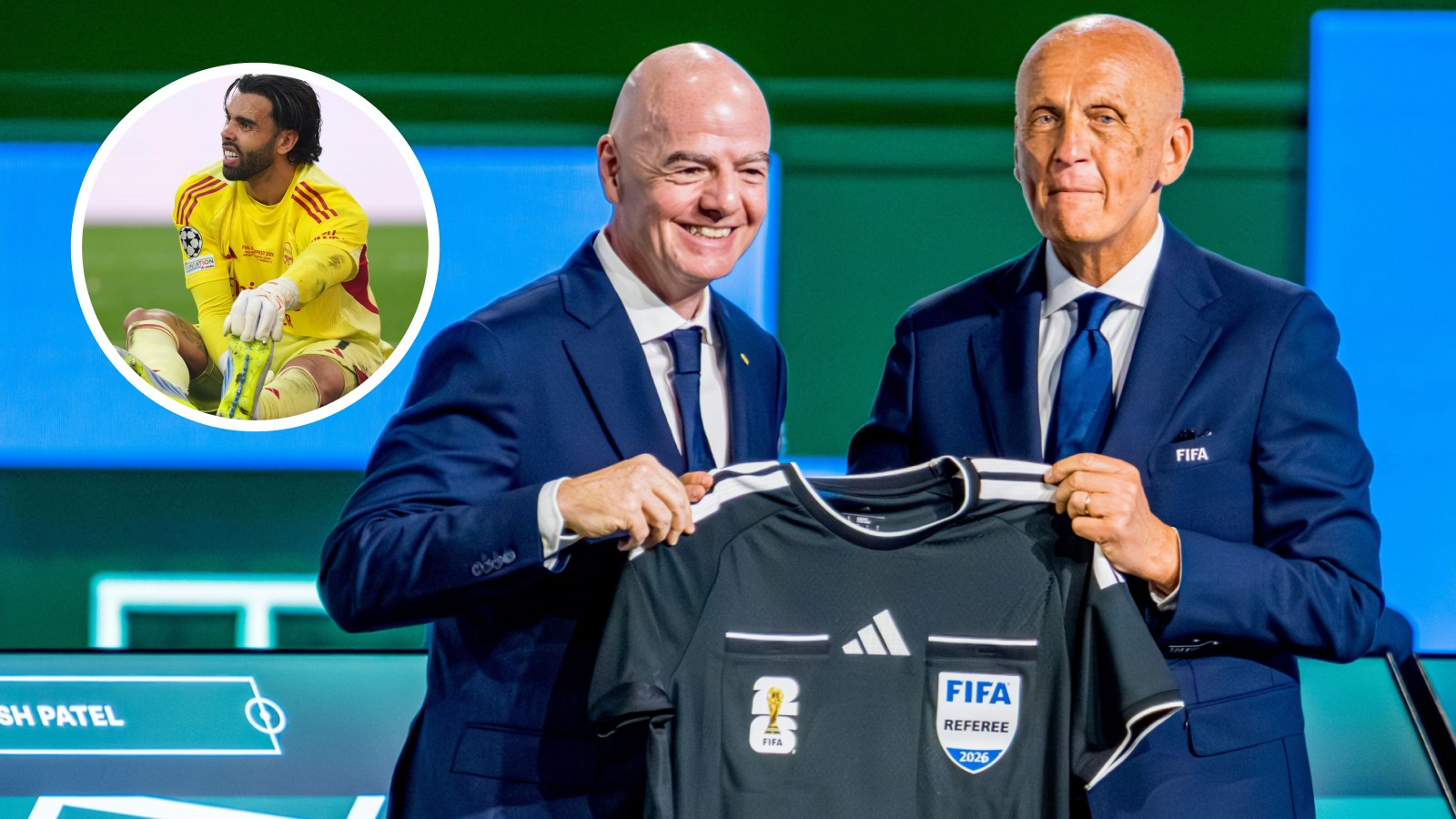
The International Football Association Board has overhauled the laws of the game ahead of the 2026 World Cup, with FIFA's chief refereeing officer Pierluigi Collina confirming the amendments will reshape how matches are officiated across the sport from the 2026/27 season onwards.
"These amendments aim to tackle discrimination, cut time-wasting, enhance match tempo and improve both the player and fan experience," Collina announced.
Mouth-Covering Red Card
Players who deliberately cover their mouths during confrontational exchanges will now face immediate dismissal. The law targets discriminatory conduct, inspired by Benfica's Gianluca Prestianni's incident with Vinicius Jr, which earned him a six-game ban extended worldwide by UEFA.
Friendly banter between opposing players won't trigger punishment. "We respect that there are players who are friends," Collina explained. "When it is confrontational, it is a completely different story. Covering the mouth means you are doing something potentially very wrong. This is something you do on purpose."
The Senegal Rule
Walk-offs in protest of referee decisions will result in red cards for departing players and any officials inciting them. Teams orchestrating match abandonment through protest forfeit the fixture entirely.
The rule crystallised following Senegal's 2026 Africa Cup of Nations final protest against a penalty decision. They stormed off for 16 minutes before returning to beat Morocco 1-0 after extra time, only for CAF to later overturn the result as a forfeit. Senegal are appealing, but the law now provides clarity.
Five-Second Countdowns Expand
Building on the existing eight-second goalkeeper rule, throw-ins and goal-kicks now face five-second visual countdowns from referees. Failure to restart results in possession switching to the opposing team, with corner kicks awarded if goal-kick delays are deemed deliberate.
"We are not expecting to have many throw-ins or corner kicks given," Collina said. "We expect the players to respect the limits given."
Substitution Efficiency
Players being replaced must vacate the pitch within 10 seconds of the substitution board being displayed, exiting at the nearest boundary point. Failure to comply means the replacement can only enter at the first stoppage after one minute of play has elapsed.
Exceptions exist for injuries and safety concerns.
Medical Treatment Protocols
Outfield players receiving pitch-side treatment must now sit out for one minute following the restart. The Premier League's existing 30-second requirement becomes obsolete.
Goalkeepers, collisions involving keepers, yellow or red-card incidents, teammate collisions, severe injuries including head trauma, and penalty-takers are exempt.
Goalkeeper Timeouts: A Work in Progress
Collina acknowledged IFAB hasn't yet closed the tactical timeout loophole when goalkeepers go down injured. The March IFAB meeting involving all World Cup nations failed to produce consensus.
"I'm afraid we didn't get a solution agreed by everybody," Collina admitted. "We told them that referees will be proactive and will not allow the two teams to go to the bench when a goalkeeper is lying down injured. He has a right to be injured, but the players do not have the right to have a timeout."
Expect this to remain exploited, particularly to disrupt match momentum.
VAR's Expanded Remit
VAR intervention now covers:
- Red cards issued from clearly incorrect yellow cards
- Mistaken identity in card offences
- Incorrectly awarded corners (when correctable without delay)
- Fouls committed before play restarts from set-pieces
The final point addresses a previous loophole. Collina cited England's Adam Wharton blocking a defender before Ben White's goal against Uruguay in March as precisely what the new law targets.
"We started with VAR in FIFA competitions in 2017," Collina reflected. "It is the time to reconsider the protocol which was written when there was very limited experience. I don't think any of you would be happy for a goal coming as a result of a foul being committed and the reason being that VAR cannot intervene because of protocol."
Hydration Breaks and Commercial Realities
Three-minute hydration breaks will occur around the halfway point of each half at the World Cup, with referees permitted flexibility if medical treatment coincides around the 20-minute mark.
Commercial broadcasters can screen advertisements during these breaks, provided spots don't commence within 20 seconds of the break being signalled and conclude 30 seconds before restart. Across 104 World Cup matches, this equates to approximately seven and a half additional hours of advertising airtime.
Compare options