Five Nations Who Deserve World Cup Exile After 2026 Debacle
The expansion to 48 teams was supposed to water down the World Cup, yet the genuine minnows have largely proved themselves worthy of their place. The embarrassment, rather, has come from nations that really ought to know better.
It's time FIFA considered some harsh sanctions. Here are five sides who should face exile from 2030.
Belgium
The Red Devils are teetering on the brink. A group-stage exit—which remains a genuine possibility—should see them locked out of Spain, Portugal and Morocco in four years' time.
We weren't exactly going out on a limb when we suggested no major seeded nation would stumble out in the first round. With every group containing at least one match any serious contender should win comfortably, early elimination ought to be impossible.
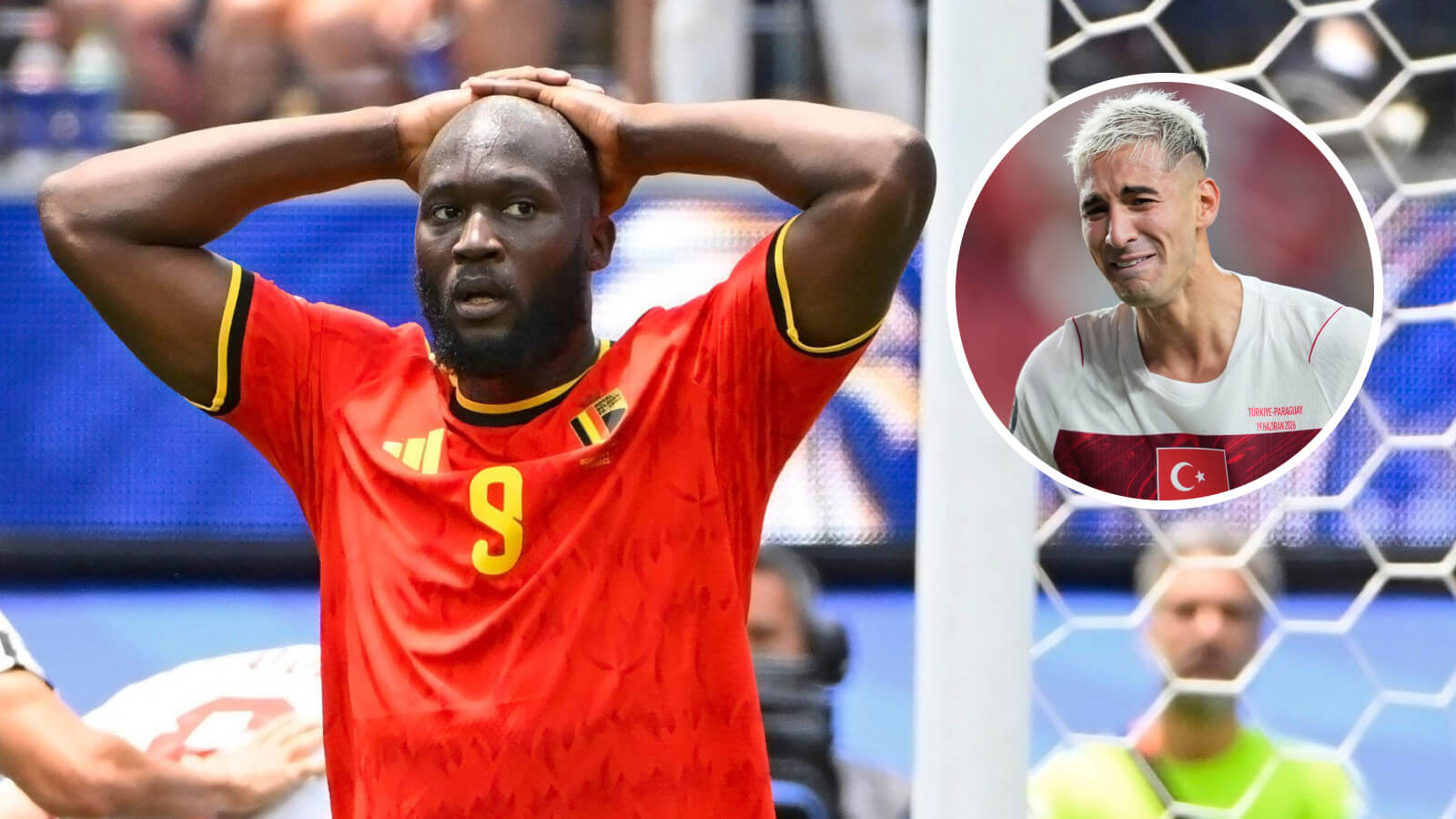
Yet Belgium have given us every reason to doubt them. The Golden Generation has evaporated, replaced by an awkward limbo where ageing stalwarts cling on—men who couldn't deliver when younger, let alone now. Romelu Lukaku's ongoing stumble through whatever phase he's currently in rather sums it up.
Any seeded non-host nation failing to progress deserves a four-year timeout, minimum.
Tunisia
There's a simple rule: nations finishing with more managerial casualties than points must be barred from the next tournament.
Tunisia have as many sackings as goals. They enter their final match against the Netherlands needing one goal to avoid becoming a permanent punchline—though another manager could yet hit the eject button before kickoff.
The Oranje won't make it easy. Tunisia's 4-0 demolition by Japan was somehow worse than their 5-1 hammering by Sweden, which cost Sabri Lamouchi his job. They've become the first side since 1994 to lose their opening two games by four-goal margins.
If Netherlands repeat their five-goal thrashing of Sweden, Tunisia will match Zaire's 1974 record: zero points, 14 goals conceded. Zaire at least had the excuse of being utterly unprepared. Tunisia doesn't.
Qatar
They waltzed into 2022 without consequences and arrived in 2026 with the same sense of entitlement intact. Their final match against Canada proved it.
The co-hosts dismantled them 6-0 in Vancouver—a small measure of justice for Qatar's thuggish approach. Two red cards couldn't mask the fact they were being outplayed even when at full strength. One dismissal belonged to Assim Madibo, who at least appeared remorseful after damaging Ismael Kone's leg.
Kone's injury felt inevitable given Qatar's intent to kick their way through the tournament. Julen Lopetegui cut an thoroughly objectionable figure on the sideline—so much so he even made us sympathise with Jesse Marsch, a crime deserving permanent banishment.
Turkey
Vincenzo Montella's much-hyped squad made a complete hash of what should have been a straightforward group stage.
Two games finished them. First came a 2-0 loss to Australia—a team subsequently revealed as decidedly ordinary, yet still well-placed to advance. Then a 1-0 defeat to Paraguay, who handed out the tournament's most bewildering red card before playing half their match with ten men.
Two losses while averaging 75% possession is damning. Particularly for a side supposedly entering a Golden Generation boasting Arda Guler and Kenan Yildiz. Yet a team that manages 62 shots without scoring clearly isn't taking this seriously.
Italy
This one's actually for their own protection. Sparing them from a fourth consecutive qualification failure in 2028 would be an act of mercy rather than punishment.
A nation with four World Cup titles cannot emotionally survive another playoff humiliation like Bosnia inflicted this year. The root-and-branch overhaul Italian football desperately needs cannot possibly be implemented in four years.
So Italy, get your house in order and ring us in 2034.
Compare options