From Stuttgart to Social Mission: How Benjamin Adrion Built a Global Water Movement Out of Football
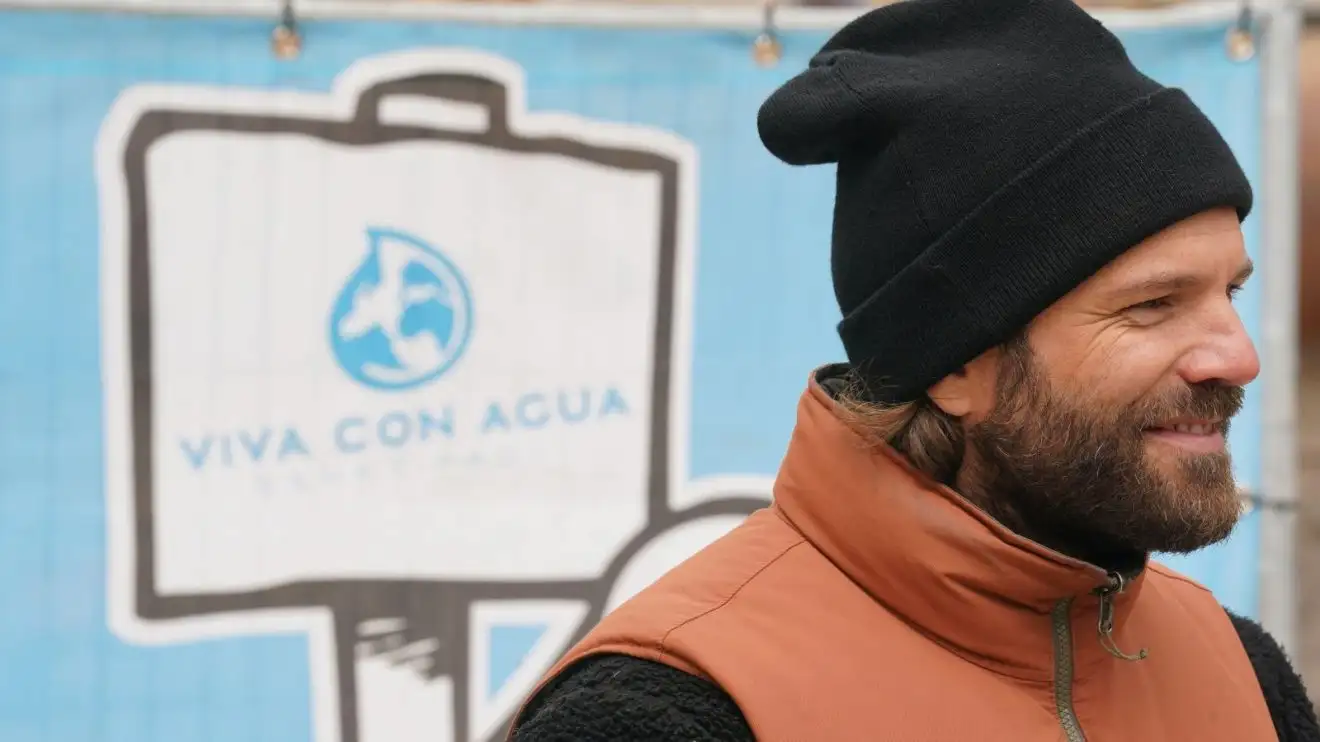
Benjamin Adrion speaks about football like someone who never truly left the game – all talk of teammates, seasons, victories and defeats. Yet these days his pitch extends far beyond the grass: from concert halls and community centres across Germany to remote villages in East Africa and South African townships, all united by a single purpose – delivering clean drinking water to those who need it most.
The journey from professional footballer to social entrepreneur was no sudden epiphany. It started modestly during a 2005 pre-season trip to Cuba with FC St. Pauli. "The concept didn't crystallise in Cuba itself," Adrion explains. "But that experience was the spark – the whole atmosphere of the camp and what came after really affected me."
What struck him hardest wasn't the football alone, but the contradiction he witnessed. "We gained remarkable insights into Cuban life – their football culture and society at large," he reflects. "Things are difficult there, yet you encounter joyful people, music, celebration everywhere. That left a mark."
St. Pauli's visit held particular weight – the first major German club to tour the island – and it opened his eyes. He and his teammates visited schools and social programmes lacking basic facilities. Yet Adrion insists the real moment of decision came later, back in Germany, when his playing career hung in the balance.
Weeks after returning, Adrion resolved to quit football and explore the world through social work. That same day, his coach rang with a contract offer. "That put me in a difficult position," he recalls. "I started wrestling with how I might merge football with social responsibility and my hunger to understand the world."
The solution emerged from his club itself. St. Pauli – steeped in counter-cultural values, with a fiercely engaged fanbase and deep connections to Hamburg's cultural life – provided the perfect foundation. "St. Pauli has an incredibly vibrant community of supporters, performers, creatives and personalities," Adrion says. "That's when things clicked. I thought: what if we brought everyone together in an uplifting way and built something beneficial for people in Cuba?"
This vision became Viva con Agua de Sankt Pauli, launched in 2006 with an initial focus on Cuban water projects. The formula was straightforward: harness football culture, music festivals and social gatherings to fund clean water access – not through guilt-driven campaigns, but via active participation, artistic expression and enjoyment. Volunteers gathered reusable cups at gigs, organised fundraising activities and constructed a movement blending activism with celebration.
Adrion never anticipated the scale it would reach. "We didn't think we'd sustain this for two decades," he admits. "We didn't foresee raising millions in euros or supporting countless water schemes."
Now Viva con Agua finances water, sanitation and hygiene initiatives across Africa, Asia and Latin America, and runs its own bottled water business with returns flowing back into charitable programmes.
What hasn't shifted, Adrion emphasises, is the organisation's fundamental character. "It remains about gathering people," he says. "It's still rooted in universal languages – music, sport, creativity. It's about enjoying yourself while producing something worthwhile and helping individuals access water. The details evolve, but the core stays unchanged."
This philosophy has materialised through Villa Viva, a collection of community spaces combining accommodation, event facilities, dining and cultural events with Viva con Agua's humanitarian aims. Hamburg and Cape Town are already running; Berlin opens in 2027.
"Building lasting venues where individuals can gather, collaborate, relax and bond matters enormously," Adrion explains. "As divisions in communities deepen, establishing physical locations where people connect positively becomes vital."
For Adrion, the most meaningful experiences often occur far from offices and marketing meetings. He recalls walking through Rwanda and Uganda in 2017 during Viva con Agua's 'Water Walk' initiative, a three-week expedition with participants from around the globe. "I'd visited those same communities a year earlier watching them fetch contaminated water from rivers," he says. "Twelve months on, those places had proper wells. You witness genuine transformation – driven not by self-interest, but by collective enthusiasm and optimism."
Yet steering a rapidly expanding charity brings its own challenges. The pandemic, rising costs and changing funding patterns have squeezed finances. This year, Adrion took on the CEO position for the first time, managing organisational restructuring and steadying Hamburg operations. "Following two demanding years financially, we need to secure a winning campaign," he says, reaching for football terminology again.
This isn't coincidental. Adrion attributes his leadership philosophy to football's influence. "The sport instils fundamental yet profound lessons," he states. "You cannot succeed independently. You require colleagues. You back one another. You develop discipline, competitive drive, determination."
He's also unflinching about modern football's contradictions. "Commerce has invaded substantial sections of the sport," he observes. "When considering FIFA, you're looking at organised crime dressed up as business."
"Yet football itself will forever surpass cash. No amount of money can eliminate the game entirely."
Gazing toward 2026 and further ahead, Adrion frames Viva con Agua not as a corporation pursuing ruthless expansion, but as something developing naturally. "We regard Viva con Agua as a living system, not a corporate machine," he explains. "An organism aims to endure and flourish."
Yet the competitor within persists. Germany finances the bulk of operations, but Adrion is keen to test whether the approach can expand internationally. "Villa Viva gives us the ability to establish worldwide networks and facilities," he says. "I'm keen to witness Viva con Agua hubs emerge across the planet and observe how the initiative spreads naturally."
Nearly twenty years after hanging up his boots, Adrion hasn't abandoned the mindset of the dressing room. He's merely redirected it elsewhere. His stadium now spans the globe. His colleagues encompass performers, grassroots volunteers and campaigners.
The scoreline is kept not in goals scored, but in wells constructed, communities brought together and individuals obtaining access to something spectators filing out of football grounds rarely contemplate: fresh drinking water.
Compare options