Ferdinand's Stark Warning: Why De Zerbi Should Think Twice About Tottenham Job
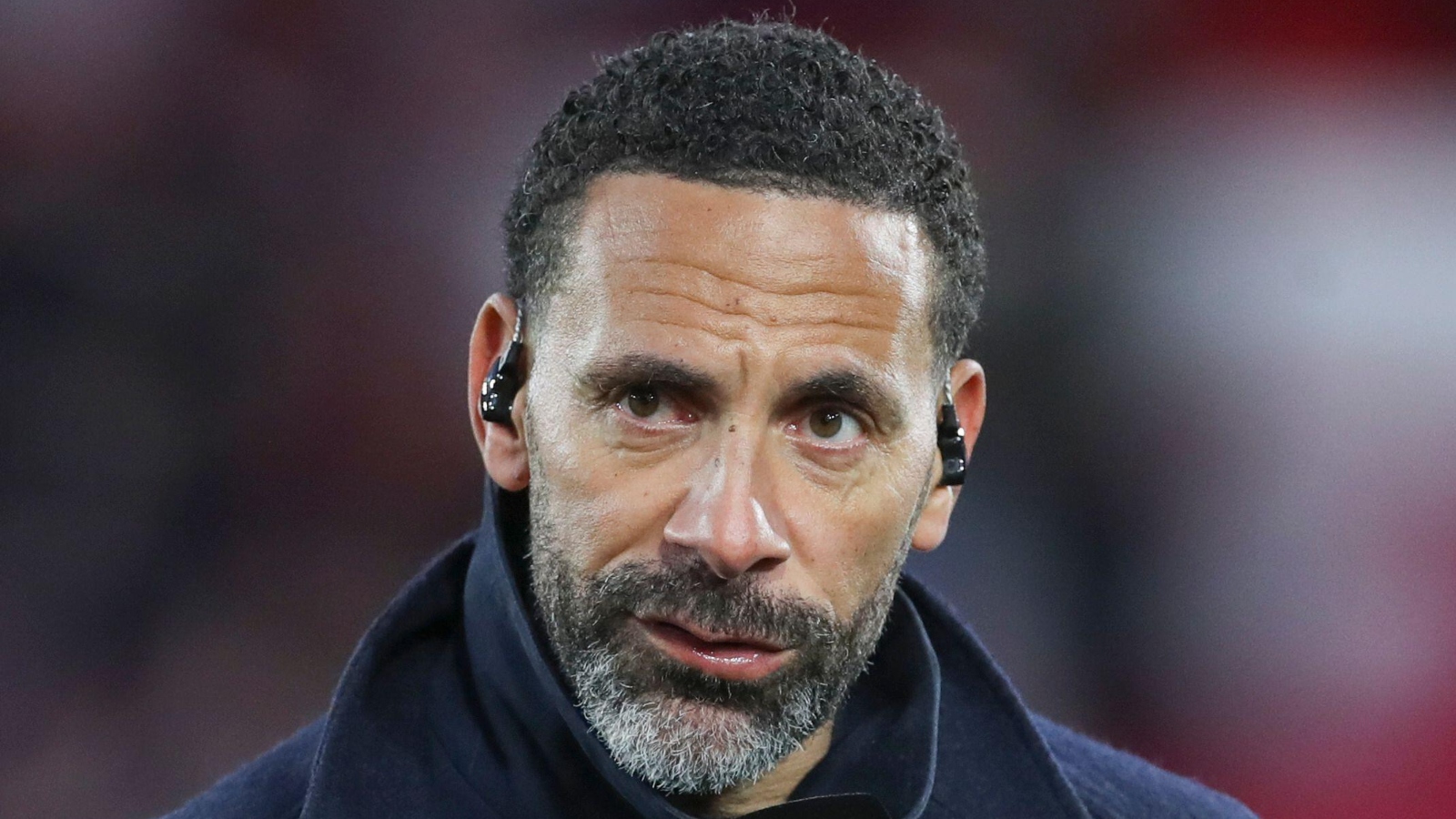
Roberto De Zerbi is reportedly on the verge of accepting a lucrative five-year deal at Tottenham, complete with signing-on fee and survival bonus, but Rio Ferdinand has raised serious doubts about whether the Italian tactician should make the move.
The club currently sits just a point above the relegation zone, and while De Zerbi initially resisted the prospect of managing a side battling the drop, he now appears ready to take on the challenge. Yet Ferdinand, speaking on his YouTube channel, cannot fathom why such a cerebral manager would willingly walk into what he views as a fundamentally broken institution.
"I wouldn't go to Spurs right now," Ferdinand stated bluntly. "It's a club in such a bad way and there have been far too many managers that have failed there."
Ferdinand acknowledged the allure of Tottenham's infrastructure—the stadium, training facilities, and overall resources rank among the finest in world football. But therein lies the paradox that troubles him. Despite possessing the trappings of a elite institution, Spurs consistently fail to function like one on the pitch.
"They call themselves a big club or want to be a big club, they're bemused when they're not mentioned in the big club bracket," Ferdinand explained. "But they don't spend like a big club to attract the biggest players, and then they wonder why they're not in the top echelon."
The real concern, Ferdinand suggested, is whether the club's hierarchy will prove to be an obstacle rather than an asset. "Are they going to be a hindrance behind the scenes? Are they going to ruin my reputation even more now?" he pondered, questioning whether De Zerbi's managerial reputation could suffer from the Tottenham experience.
Ferdinand was more circumspect when asked which current Spurs players might flourish under De Zerbi's management. "I actually couldn't tell you," he admitted. The issue, he suggested, is that Tottenham's environment appears to be systematically draining the quality from talented individuals.
Take Micky van de Ven, Ferdinand noted. The centre-back was expected to become a top-tier defender, yet questions linger about whether his struggles stem from personal shortcomings or from the instability and tactical confusion that pervades the club. Similarly, Richarlison—once tipped by Carlo Ancelotti as capable of playing for Real Madrid or a comparable elite institution—now finds himself worlds away from that trajectory.
Xavi Simons epitomises the problem. At Euro 2024, the midfielder was brilliant for the Netherlands and showed flashes of brilliance in club football. At Spurs, however, he resembles a shadow of himself, his confidence visibly sapped by the toxic environment.
Even James Maddison, despite injury setbacks, has failed to replicate the form that made him such a vital player during Leicester's impressive campaigns.
"There are far too many players underachieving with their quality," Ferdinand concluded. "The environment is sucking the life out of these players."
For De Zerbi—a thinking manager constantly seeking innovative approaches to team-building—the question becomes whether even his considerable tactical nous can overcome an institutional malaise that appears to corrode talent rather than cultivate it.
Compare options