Arsenal's August Masterclass Over Manchester United Proves Early Verdicts Were Spectacularly Wrong
When the Premier League season opens its doors, the immediate hot takes flow like bitter beer at a sports bar. Opening-day verdicts rarely survive contact with reality, yet the August clash between Arsenal and Ruben Amorim's supposedly reborn Manchester United at Old Trafford proved a masterclass in how quickly expert opinion can crumble.
The narrative at the time was predictably familiar: Arsenal were supposedly shackled by Mikel Arteta's defensive caution, whilst United—despite defeat—were being lauded for their attacking prowess under their new manager. A fresh dawn was supposedly breaking at Old Trafford.
Months later, as the clubs prepare for Sunday's return fixture with Arsenal leading the Premier League and United in chaos under interim management, those August conclusions look positively laughable.
The False Dawn That Wasn't Dawn At All
United's opening performance against Arsenal typified a recurring pattern in the club's modern history: impressive showings against elite opposition sandwiched between calamitous losses to lesser sides. Amorim's tenure would go on to exemplify this perfectly—the hallmark of a project that never got off the ground.
Michael Carrick's current side may well replicate the intensity United showed against Manchester City, but don't be shocked when Fulham comes calling in their next fixture and reality reasserts itself.
Arsenal's Unglamorous Route to Glory
Arsenal's 1-0 victory was hardly a thing of beauty, yet their relentless consistency and defensive solidity have proven far more valuable than City and Liverpool's capacity for eye-catching scorelines. The gulf between the top and the chasing pack has widened considerably.
The Gyokeres Gamble That Hasn't Paid Off
Viktor Gyokeres arrived as the answer to Arsenal's striker woes. Instead, he's become a recurring problem in big matches. Early warning signs emerged against United—where he was admittedly operating at less than full fitness—but subsequent months have confirmed his struggles in the Premier League are anything but temporary. A midweek goal does nothing to mask a season of profound underperformance.
Kai Havertz now looks the inevitable successor, with Gabriel Jesus's unexpected revival adding another layer of complexity to Gyokeres's predicament. The Swedish striker risks sliding into third choice.
United's Transfer Gamble: Half Right
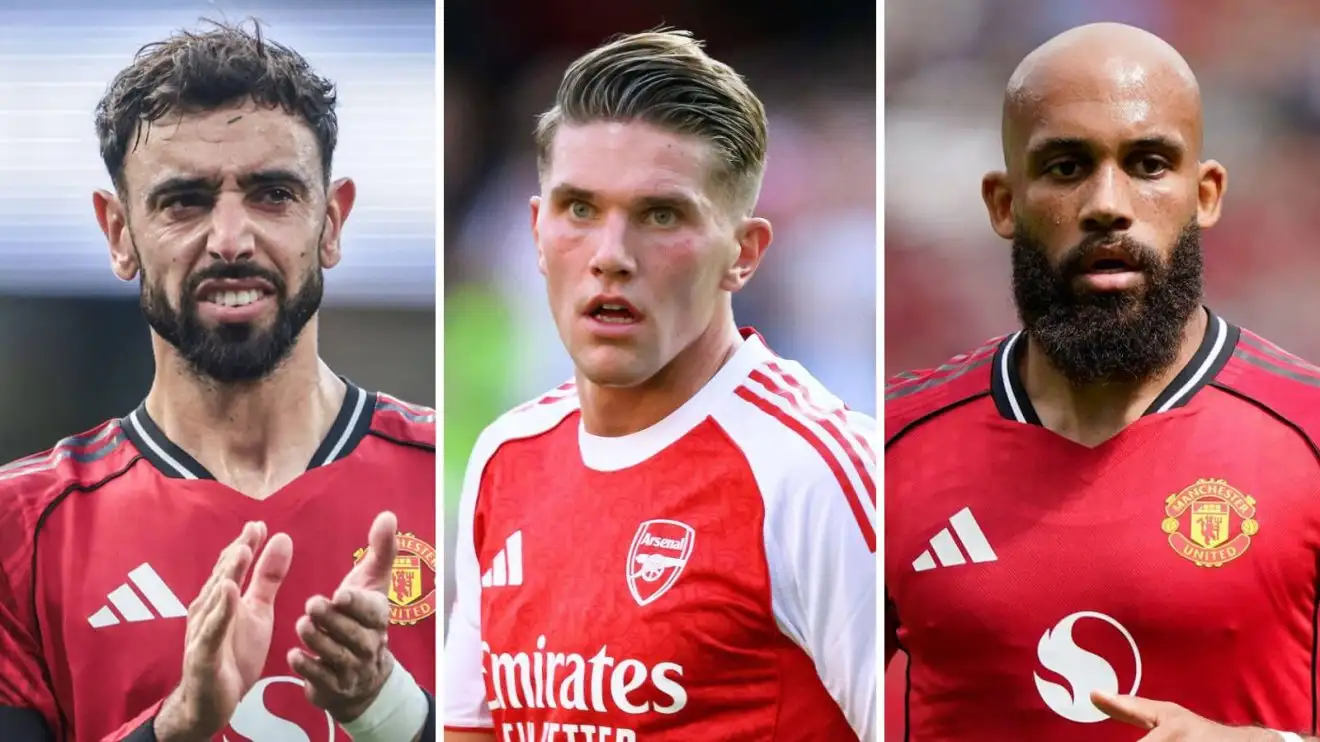
Spending £200 million on a complete attacking overhaul while shipping out the old guard looked shrewd in principle. Bryan Mbeumo, Matheus Cunha, and Benjamin Sesko showed early promise and have since established themselves as genuine assets. Yet this cosmetic surgery on the frontline couldn't mask the deeper structural problems.
The Midfield Void Remains
United's decision to defer their midfield reconstruction proved questionable, though Amorim's departure and Kobbie Mainoo's emergence have eased the immediate crisis. Still, a marquee signing in the mould of Carlos Baleba remains essential to fill the Casemiro-shaped hole in their engine room, with four targets already identified.
The Goalkeeper Saga
Alter Bayindir's brief audition following Andre Onana's exit confirmed he was merely a different flavour of the same problem. United had no choice but to act decisively, and Senne Lammens has proven a shrewd acquisition—performing far better than the most optimistic forecasts suggested.
Lammens has done solid work this season, though he remains some distance from matching David Raya's standard. Arteta's decision to upgrade from Aaron Ramsdale continues to vindicate itself.
Arsenal's Weak Spot
For all their quality, Arsenal do possess one vulnerability: their left flank. Gabriel Martinelli's development has stalled to the point where he represents genuine weak link among Arteta's attacking options. Cashing in this summer would represent prudent housekeeping, with Leandro Trossard's limited remaining shelf life making a left-sided upgrade essential. A Bukayo Saka-calibre talent on that flank could be the final piece.
The Bruno Fernandes Miscalculation
Perhaps the most significant misjudgement involved Bruno Fernandes. Suggestions that shifting a brilliant but 30-year-old midfielder for £100 million might not have been the worst business were comprehensively debunked. Fernandes has re-established himself as indispensable, particularly in his preferred attacking role against Manchester City. He remains United's only world-class operator—the one player future management must build around rather than dismantle.
Compare options