Six Summer Managerial Mistakes English Football Must Dodge
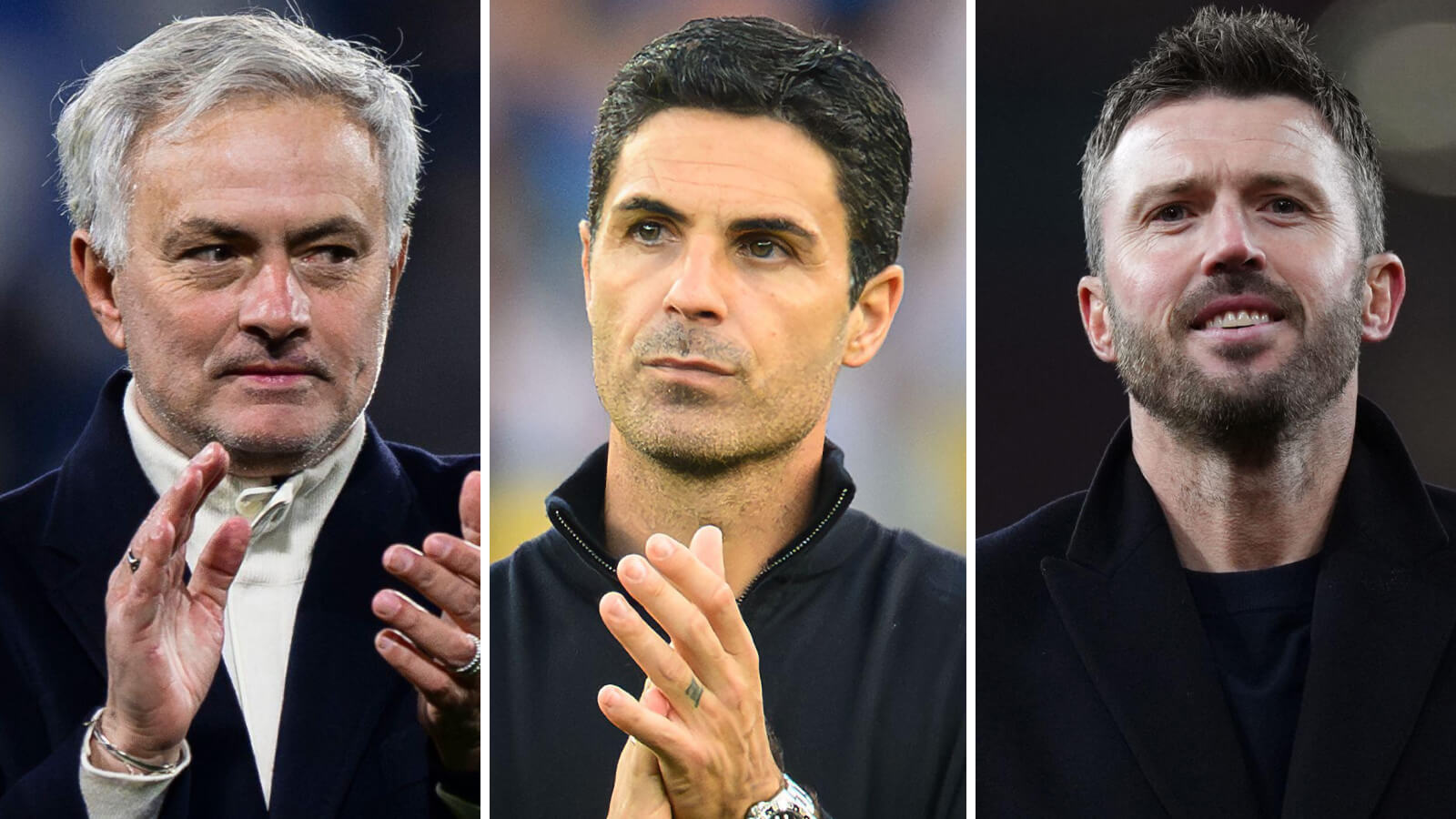
With the campaign drawing to a close, boardrooms up and down the land are sharpening their pencils and eyeing the summer transfer window as an opportunity to shake things up. History suggests most of them will get it catastrophically wrong. Here are half a dozen calls that simply must be avoided.
Arsenal pulling the trigger on Mikel Arteta
Thierry Henry has waxed lyrical about pragmatism, yet the Spanish tactician's pragmatism isn't a occasional tool but rather his calling card. Martin Keown has found approximately 427 unique ways to explain how Arteta does whatever necessary to get results, but his detractors will wonder why the football became so uninspired halfway through the season.
It's been anything but entertaining, and might ultimately prove fruitless. Manchester City are hitting their stride precisely when it matters most in the Premier League, and should they navigate past Atletico Madrid, they'll face a fluid, dominant force in the Champions League final. The odds are stacked heavily against Arsenal collecting any silverware despite a season of genuine progress.
Arteta will shoulder responsibility for failing to land a trophy with a squad that spent much of the campaign being lauded as England's finest, perhaps even Europe's. A sizeable chunk of the fanbase will turn their backs on him after enduring some truly dreadful passages of play.
Yet here's the thing: it's a journey. One that hasn't yielded trophies in six years but could have this term had the club recruited superior attacking options last summer, and absolutely could next year if they correct that blunder.
The Gunners should view Arteta as the architect of their return to the elite conversation, not the fall guy for a missed opportunity.
Real Madrid's Mourinho nostalgia trip
Few prospects would be more entertaining, and it genuinely appears to be in the offing.
The Athletic's Ornstein and Madrid correspondent Mario Cortegana reported that Mourinho has unexpectedly surfaced as Florentino Perez's leading choice to succeed Alvaro Arbeloa this summer. Certain figures within the Bernabeu hierarchy are sceptical, but with Perez holding the ultimate authority, the Portuguese boss is very much in contention.
The Special One's three-year Bernabeu stint yielded the Spanish Cup in 2010/11 and La Liga in 2011/12, though his star was already fading. In the thirteen years since, he's collected just four major honours: the Premier League with Chelsea in 2014/15; the League Cup and Europa League double with Manchester United in 2016/17; and the Conference League with Roma in 2021/22.
Madrid doesn't sit comfortably as the logical destination following Roma, Fenerbahce and Benfica in the trajectory of a manager who appeared destined for Saudi Arabia until this bombshell.
This is his first Champions League campaign since 2019/20 with Tottenham, and he hasn't progressed beyond the round of 16 since 2013/14, when John Terry captained his Chelsea side.
Should Mourinho somehow deliver silverware at Real Madrid, it would rank among sport's most improbable comeback narratives – a cautionary tale for Perez about pursuing a manifestly flawed notion.
Liverpool becoming the new Chelsea
Chelsea's problems run deep, but near the summit sits the BlueCo structure and an alarming pattern of appointing woefully inexperienced managers. This approach, which forces successive bosses to mould yet another crop of inexperienced youngsters, has created a void where experienced voices should be.
Liverpool are bidding farewell to Mohamed Salah and Andy Robertson this summer, following Trent Alexander-Arnold and Luis Diaz's departures last season. Manager Arne Slot and sporting director Richard Hughes must keep watch on Alisson Becker, with whispers suggesting he's close to finalising terms with Juventus.
Though Giorgi Mamardashvili possesses the technical ability to assume the number one role permanently, his understudy work has been patchy. Alisson's exit would leave Virgil van Dijk as the sole surviving pillar from the glorious Jurgen Klopp era.
Who else radiates leadership? Dominik Szoboszlai emerges as a vocal presence, but otherwise they resemble a timid, unremarkable collection that wilts under pressure without commanding personalities to rally them through difficult spells.
Manchester United handing Michael Carrick the keys
They're back in the Champions League, leading the division since his arrival, players adore him, and the football has become genuinely enjoyable. Kobbie Mainoo is beaming, Bruno Fernandes operates as a conductor. Lovely stuff, but elite clubs don't function this way.
Their pressing is haphazard, the defence struggles to maintain a high line, and almost every goal stems from a breakaway or a moment of Fernandes wizardry – frequently both.
Gratitude is warranted, naturally, but handing a caretaker the permanent job at one of football's heavyweight institutions because he's restored a midfielder to his proper position, deployed the world's finest number ten in that exact role, and lifted spirits from rock-bottom represents an enormous gamble.
Yet appointing an outsider after Carrick's accomplishments carries equal risk – we appreciate that. A permanent contract represents the comfortable option for Sir Jim Ratcliffe and INEOS. No supporter would revolt; most would argue he's left them no choice.
Should Carrick prove a disappointment, the fallout wouldn't land on the club nearly as heavily as an external appointment imploding at Old Trafford. We maintain there exist several viable alternatives capable of delivering superior results.
The genuine difficulty lies in identifying the right candidate. A sensible starting point would be finding a manager who can orchestrate football befitting Manchester United's stature. Based on Monday evening's evidence, Keith Andrews would merit consideration.
Chelsea's continued faith in Robert Sanchez
"He's among the best in the world during those crucial moments, and thankfully he delivered today," reflected Chelsea interim manager Calum McFarlane following Sanchez's impressive display against Leeds, with a couple of outstanding saves proving decisive in the FA Cup final push.
The Spanish keeper earned similar commendation from opposition boss Daniel Farke and media observers for a genuinely commanding performance that showcased his trademark shot-stopping prowess. His reactions are sharp and those headline moments have never presented difficulties.
"That's Robert Sanchez at his finest," McFarlane continued, acutely conscious like everyone else of the calamity Sanchez can inflict.
Few goalkeepers project such bewildering composure when handling the ball.
Chelsea must resist falling for the full-length dives, extended limbs and strong hands. Sanchez perpetually appears competent, yet a mystifying blunder perpetually looms. While this assessment might seem trivial against others here, a competent shot-stopper would have transformed Chelsea's campaign and will prove invaluable whenever BlueCo allocate suitable resources to perhaps football's most critical position.
Newcastle's big-name manager fantasy
The Public Investment Fund's stewardship at Newcastle has proven surprisingly restrained. Partly attributable to rigid financial regulations, we haven't witnessed the star-studded ensemble of early speculation – Kylian Mbappe, Ousmane Dembele and Mohamed Salah forming a superteam.
They've additionally resisted displacing Eddie Howe, a capable but unglamorous operator. That hasn't required much discipline given his remarkable achievements: hauling the club from relegation danger into the Champions League and capturing their first trophy in seven decades.
Recent deterioration, which could plausibly drag them into a relegation scrap, will test that patience, and Howe's departure seems probable. Matters have grown stale on the Tyne and a fresh approach benefits everyone.
Suggestions abound that PIF should recruit a marquee name, with fair points raised that Howe might lack the drawing power to attract the sport's elite performers.
Yet absent European football and a single trophy in seven decades, securing a Mourinho or Roberto Mancini remains problematic, and such appointments carry the danger of friction through demands the owners cannot satisfy whilst constrained by FFP regulations and potentially promoting a tactical philosophy misaligned with modern Premier League football.
Compare options