Ten Reasons Why Rosenior's Chelsea Reign Could Be Coming to an End
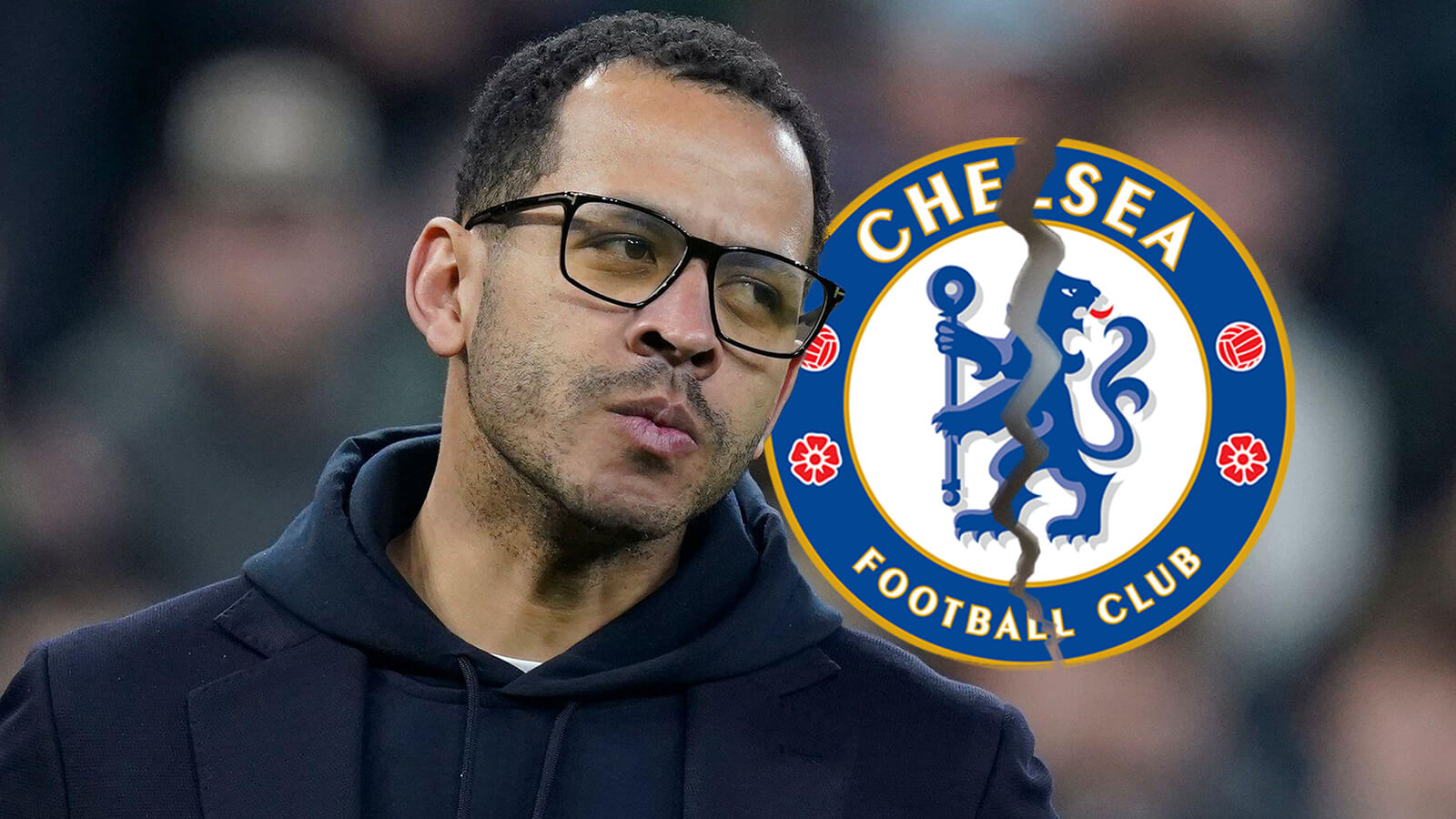
Chelsea's current malaise represents their bleakest Premier League stretch in nearly three decades. As supporters voice their frustrations with BlueCo and Champions League qualification slips away, with an anxious wait ahead for an FA Cup semi-final showdown against Leeds, one thing seems increasingly certain: Liam Rosenior's tenure appears to be heading toward an exit, whether that comes at season's end or sooner.
Here's why the Stamford Bridge faithful and club insiders alike may be preparing for change.
The Charm Offensive Wears Thin
Rosenior certainly knows how to talk the talk. His personality and communication style have clearly resonated with some players, and his people-management credentials are undeniable. Yet when victories dry up, that whole "friend first, boss second" philosophy starts looking rather less like enlightened management and more like the corporate jargon you'd expect from a high-performance consulting firm.
The Athletic recently reported that senior players described him as "a nice guy" who has "created a nice environment"—praise so faint it's practically inaudible. It sounds less like describing a Chelsea manager and more like reviewing a holiday resort proprietor.
Players have apparently picked up on something missing entirely: the gravitas. They've noted he lacks the commanding presence of Enzo Maresca or Mauricio Pochettino—that indefinable quality that commands immediate respect.
The Squad-Wide Slump
Under Maresca, virtually every Chelsea player experienced some degree of improvement. Moises Caicedo stopped being a £100m problem and started looking like the world's finest midfielder of his ilk. Marc Cucurella transformed from a punchline into a genuine asset. Levi Colwill flourished. Reece James was reimagined as an accomplished centre-mid. Even Trevoh Chalobah slotted back in seamlessly.
Fast-forward to the Rosenior era, and that same crop of players has collectively regressed. The sole bright spot—Joao Pedro's early excellence—has also dimmed considerably in recent weeks.
Yes, arriving mid-season with a congested fixture list presents genuine challenges. Yet Chelsea have form for mid-campaign managerial overhauls that worked spectacularly. Think 2012 (Di Matteo, Champions League) and 2021 (Tuchel, Champions League).
The Goalless Nightmare
Four consecutive Premier League defeats without scoring represents Chelsea's worst run since February-March 1998. Only once has the club endured a lengthier losing streak—five straight defeats in November 1993.
That 1998 crisis prompted Ruud Gullit's removal and Gianluca Vialli's arrival. Vialli's immediate impact proved transformative: League Cup and UEFA Cup Winners' Cup followed in his debut campaign.
The International Break Mutiny
Sanctioning Enzo Fernandez for his Madrid comments and his "we'll see" response about his Chelsea future may have been justified. The handling reportedly went smoothly, with no obvious player backlash. Perhaps Rosenior was right to establish boundaries.
But here's the problem: Marc Cucurella faced no similar punishment despite far more scathing remarks about the club bankrolling his wages. The broader concern remains the apparent lack of respect that emboldened such dissent. Under Maresca, such rebellion wouldn't have crossed anyone's mind—one withering stare would have sufficed. Tuchel would have obliterated them verbally. Even the prospect of disappointing Frank Lampard would have proven too much.
The Josh Acheampong Conundrum
Chelsea's academy mismanagement remains a chronic frustration for supporters. Marc Guehi's departure to Manchester City—where he's now collecting domestic treble medals—while the club struggles to assemble a functional centre-back pairing epitomises the waste. That £18m Guehi windfall clearly wasn't reinvested wisely enough.
Maresca also inherited defensive problems but recognised the opportunity to develop Acheampong's talent. The 19-year-old started six matches under the Italian. Under Rosenior? Just one appearance, with Jorrel Hato and Wesley Fofana inexplicably preferred following consecutive 3-0 hammerings against Everton and Manchester City.
Acheampong's reportedly growing frustrated with his limited opportunities. BlueCo will almost certainly cash in for £25m-plus come summer, unless Rosenior finally gives him meaningful minutes to prove what everyone already knows: he's considerably better than the defenders currently getting the nod.
The Trophy Cabinet Remains Empty
A factor BlueCo should have contemplated before making this appointment, yet entirely relevant as they assess his future.
Every manager starts somewhere. But Chelsea have hitched their wagon to someone with zero previous association with the club whose résumé consists of missing out on the Championship play-offs with Hull and shepherding Strasbourg into the Conference League.
If this catastrophic run had befallen a manager boasting silverware, there'd be something to lean on. Instead, Chelsea have pinned their hopes on someone whose primary achievement was coaxing decent football from Ligue 1 opposition using Chelsea's own discarded talent. That's simply insufficient.
The Player Exodus Looms
Cole Palmer insists his mind's been settled after "conversations with the owners." Reece James has signed a lengthy new deal. Yet Palmer's 304-word commitment to staying included four separate references to "signing the players we need in the summer." You don't need to be a genius to recognise that's not happening.
More promising, inexperienced signings will arrive, possibly succeed, probably disappoint, and the cycle repeats. Rosenior bears no responsibility for BlueCo's academy-focused recruitment strategy, but if Palmer, Joao Pedro, Moises Caicedo and company don't believe their teammates can elevate them, they need tangible reasons for optimism about Chelsea's direction. Rosenior provides precious little.
The Lampard Revisionism Problem
No disrespect intended toward Frank Lampard—he's admirably proving doubters wrong at Coventry. Yet the recent re-evaluation of his initial Chelsea spell reveals just how desperate the current situation has become.
Lampard guided Chelsea back into the Champions League and to an FA Cup final whilst blooding academy graduates under a transfer embargo. Most observers considered that opening season merely competent, nothing more. His second campaign was widely viewed as tactically confused and directionless, culminating in his sacking with Chelsea languishing tenth.
Tuchel arrived, won the Champions League, and steered the same squad to fourth. Lampard wasn't a successful Chelsea manager—he was simply better than Rosenior, much like virtually every other Chelsea manager has been.
The Alternatives Beckon
The grass might not always be greener, but everyone's mum is tending that neighbouring lawn like it's a prized possession—weeding, feeding, aerating, keeping the kids off it, watching from the kitchen window with a steaming cuppa. It looks magnificent.
Chelsea would be substantially better served by any of the top five available managers, including the one they dismissed three months ago. Numerous in-work alternatives exist that BlueCo should be pursuing while they retain even a shred of credibility. Before long, managers like Cesc Fabregas will start declining the offer.
The Final Word
Chelsea at their finest have always been populated by difficult, combative personalities—individuals willing to upset people in pursuit of excellence. Who better to transform raw young talent into accomplished, no-nonsense professionals than an uncompromising character beloved by his squad and revered by supporters? If only BlueCo were genuinely "going all out" for Diego Simeone.
Compare options