Fabrizio Romano's Saudi Arabia Endorsement Exposes the Uncomfortable Truth About Modern Football's Influence Merchants
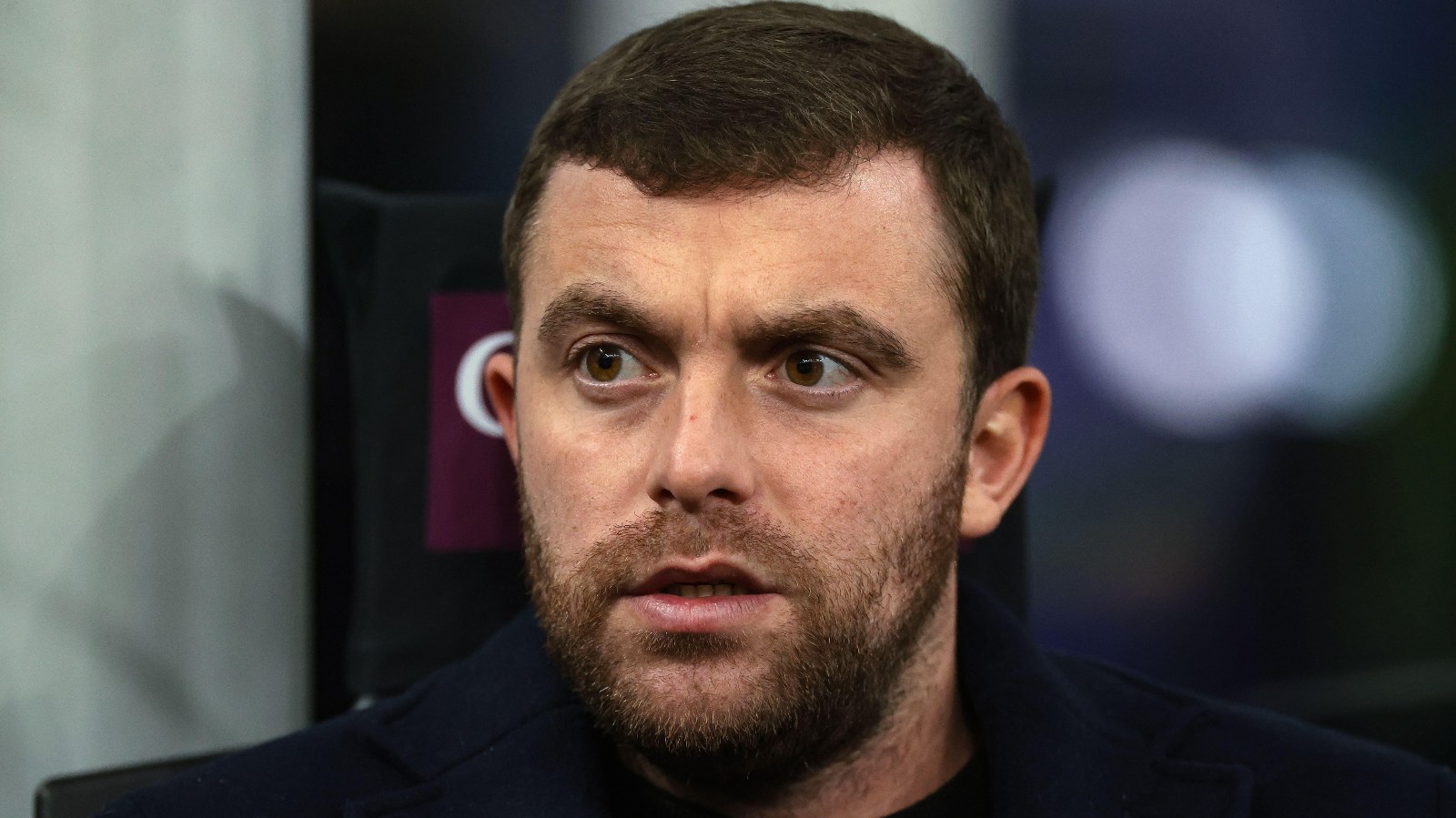
What's left for Fabrizio Romano to monetise?
The 33-year-old has become synonymous with transfer news, his "Here we go" catchphrase now serving as the supposed gospel on whether a deal is genuinely happening. His social media presence operates like a 24-hour rolling news ticker – except Romano and his team pump out dozens of posts daily, fragmenting individual stories across multiple tweets, each adorned with images designed to clog your feed.
The numbers speak for themselves: 27 million followers on X, nearly three million YouTube subscribers, and 42.5 million on Instagram. Almost every photograph features Romano with a phone pressed to his ear – apparently mobile earbuds haven't reached his awareness – and one pinned video captures him pitchside in Saudi Arabia giving Cristiano Ronaldo a double thumbs-up whilst the player stares back with the expression of someone encountering an overzealous wedding photographer.
Romano has transformed his platform into a diversified revenue stream that would make any entrepreneur blush. Cameo appearances cost £100 a pop. Merchandise featuring his tweets – including one commemorating Kylian Mbappe's Real Madrid transfer at £36 – shifts units steadily. YouTube streams generate donations whilst he simultaneously reads the same updates he's already posted for free. Factor in sponsorships from gaming apps, betting platforms, and football companion services, and the picture becomes clear: Romano is operating a content machine designed to extract maximum commercial value.
None of this exists in a vacuum. Romano's output caters to a younger demographic for whom his merchandise represents what Match magazine once meant to previous generations. It's capitalism functioning as intended, and few would begrudge the man for capitalising on his influence – at least not until the nature of that influence becomes genuinely troubling.
Last Monday, Romano posted a video discussing something entirely divorced from transfer rumours or weekend results: the King Salman Humanitarian Aid and Relief Centre. His commentary was glowing. The centre, he explained, has executed 4,212 projects across 113 countries over its decade-plus existence. He highlighted Project Masam, an initiative removing landmines from Yemeni territory, which has cleared 540,000 mines to date.
There it was, discreetly nestled alongside the endorsement: the '#ad' hashtag. The mandatory disclosure that Romano hadn't suddenly developed an overwhelming passion for humanitarian work, but rather that someone had paid him to promote Saudi Arabia's charitable credentials.
This isn't Romano's inaugural foray into paid advocacy. Danish outlet Tipsbladet reported in 2024 that Romano's representatives had allegedly contacted FC Copenhagen and Norwegian Vålerenga, offering to tweet about their players – for a fee – to generate interest from other clubs and potentially inflate transfer valuations. His timeline frequently gravitates toward wherever money congregates. He's faced criticism for prolific coverage of Mason Greenwood, with suggestions his agent orchestrated the attention. Similar patterns emerged with Cristiano Ronaldo, whose movements generate a near-constant stream of Romano updates.
But there exists something far more troubling than accepting Saudi money or promoting a player once accused of rape. During summer 2025, when Diogo Jota and his brother André perished in a car accident, Romano posted over 100 times on the subject – the vast majority lacking substantive value. While genuine mourning swept through football, Romano was harvesting engagement from tragedy.
Criticism followed, naturally. Yet Romano's operational model neutralises accountability through sheer volume. By the time outrage materialises, he's already tweeted 50 other things. The conversation shifts. The attention dissipates. Within 24 hours of posting his Saudi advertisement, Romano had tweeted 37 times. Contractual obligation fulfilled, payment processed, the story sufficiently buried beneath an avalanche of subsequent posts.
Romano represents an evolution in social media influence that transcends mere annoyance at transfer-market saturation. He's constructed a colossal following – the sort that makes LinkedIn professionals weep – and demonstrated unequivocal willingness to sell that platform to the highest bidder, regardless of what's being sold or who's doing the buying.
The real problem isn't eccentric YouTube personalities or supporters sporting unconventional hairstyles. It's influence peddlers like Romano who've weaponised their reach into a mercenary operation, monetising everything – including the deaths of footballers – without apparent hesitation.
Compare options