Pallister Takes Aim at Keane Over Ferguson Claims as Carrick Inherits United Chaos
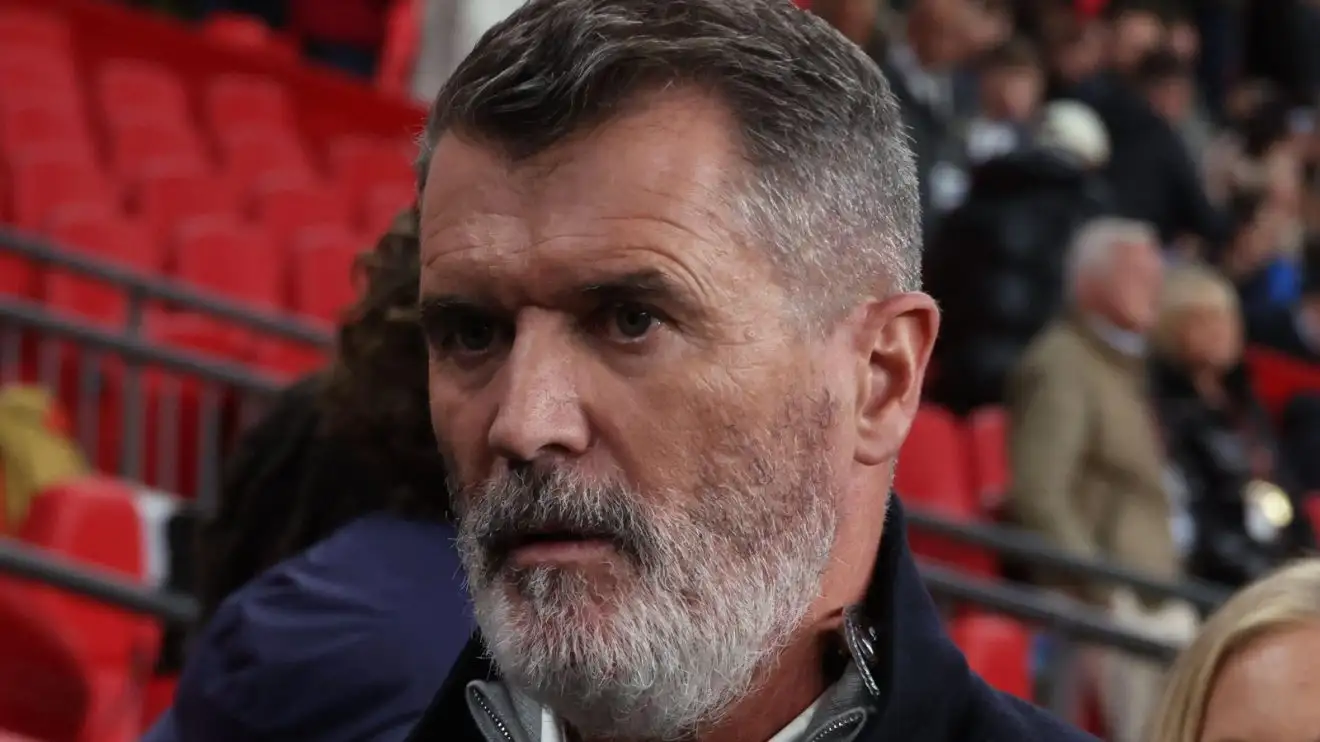
Gary Pallister has waded into the Roy Keane debate, publicly disagreeing with his former defensive partner's recent broadside against Sir Alex Ferguson's continued involvement at Manchester United.
Keane had suggested Ferguson remains a powerful presence in the club's managerial decisions since stepping down in 2013, questioning the club's hiring process and pointing to Ferguson and former chief executive David Gill as problematic influences.
Pallister, who set a British transfer record for a defender when joining United for £2.3m in August 1989, won't have it. He reckons the animosity between Keane and Ferguson—who parted ways acrimoniously in November 2005—is clouding the former captain's judgment.
"I wouldn't agree with Roy," Pallister told Football365. "I think those comments have more to do with the relationship between the two of them. We know there is no love lost there."
The former centre-back, who captured three Premier League titles alongside Keane under Ferguson's management, suggested that incoming interim boss Michael Carrick would be foolish not to tap into Ferguson's experience. He recalled how Ferguson himself had valued the counsel of Sir Matt Busby during difficult periods, describing it as invaluable.
"Why wouldn't you lean on all of those years of experience? Especially with someone who has been manager at Manchester United," Pallister reflected. "It's a difficult place to manage because the expectation is huge."
On Amorim's exit, Pallister offered a more critical perspective. The Portuguese manager's final press conference suggested frustration had reached boiling point, and Pallister suspects Amorim may have learned of his impending sacking beforehand.
"When you hear the explosion he had at his last press conference, it was probably a build up," Pallister observed. "You read in the papers that the decision had been made the day before and he might have got wind of it and aired his grievances."
While acknowledging marginal improvement on last season's standards, Pallister questioned whether Amorim's record justified his continued employment. The Newcastle result offered a glimmer of hope—a switch to four at the back yielded a positive outcome—yet the subsequent reversion to five against Wolves raised eyebrows.
"When statistically they were playing one of the worst teams in the history of the Premier League, it didn't make sense," he said.
The tension between Amorim and Sporting Director Jason Wilcox appears central to the breakdown. Pallister acknowledged the manager's right to autonomy in team selection, but questioned the modern role of sporting directors.
"I don't really understand what the job of the Sporting Directors is these days," he admitted. "I thought they were there to help the manager, take some weight off his shoulders. If a Sporting Director is choosing players and deciding the team and its style of play, then might as well be the manager or Head Coach."
It's a fair point. United's recent managerial merry-go-round suggests someone, somewhere, needs clarity on who's actually in charge.
Compare options