Former United Players Need to Step Back: Why Old Glories Keep Meddling in Club's Affairs
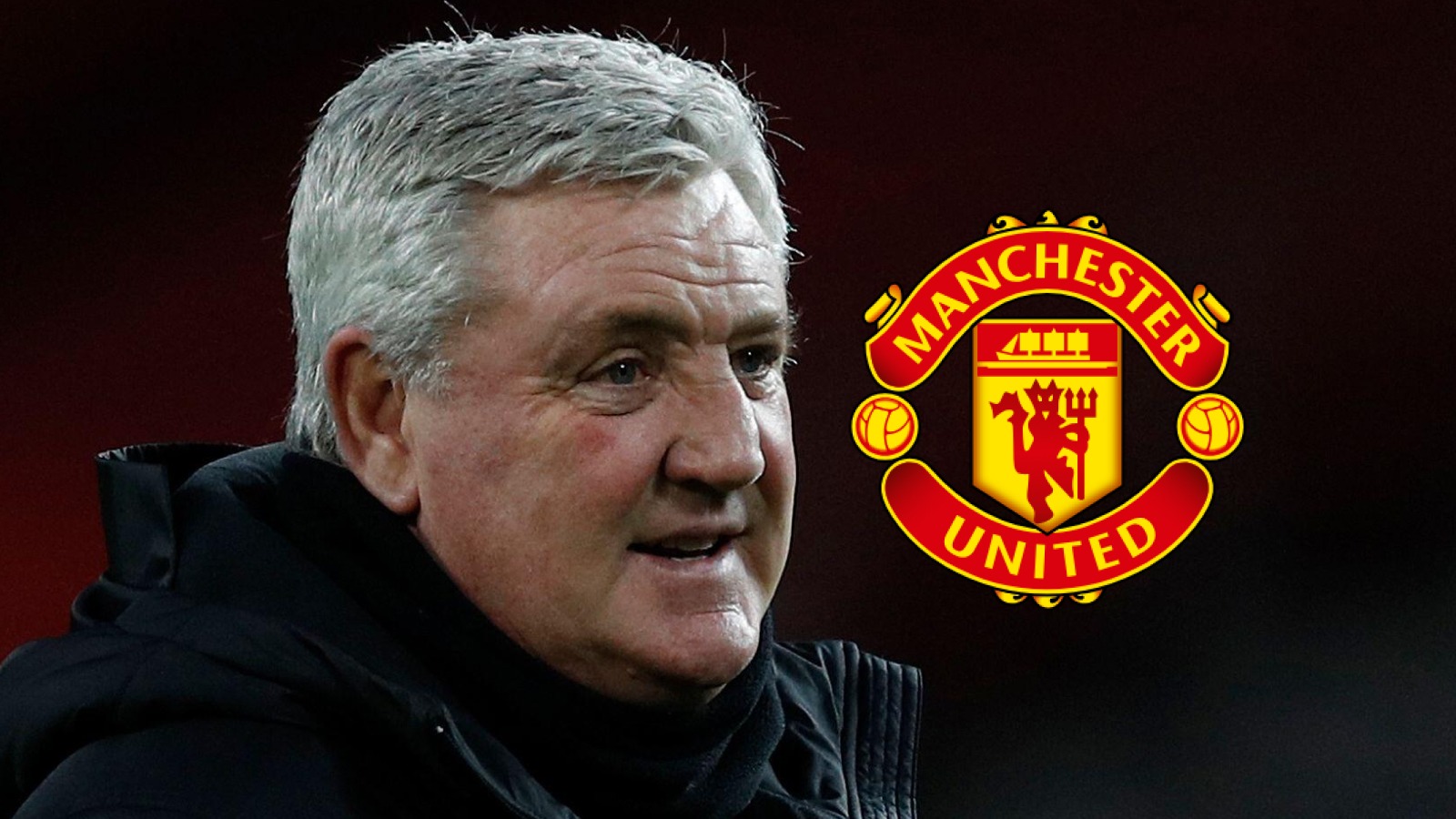
While global headlines focused on Donald Trump's extradition saga, Manchester United quietly sacked Ruben Amorim. The story barely registered compared to the circus surrounding the Red Devils—a club that hasn't won a league title in nearly 13 years yet still commands more media attention than Barcelona or Real Madrid.
United's gravitational pull on English football means every personnel decision gets scrutinised to death. But there's a particular problem at Old Trafford: the sheer volume of former players now occupying media platforms, all convinced they know what's best.
Gary Neville fronts Sky's punditry desk. Roy Keane and Wayne Rooney collaborate on podcasts. Rio Ferdinand lurks near every microphone. Paul Scholes and Nicky Butt recently launched their own show with Paddy McGuinness. And it's on that podcast where Butt offered a genuinely bewildering suggestion for the manager's job: Steve Bruce, paired with either Michael Carrick or Darren Fletcher.
Bruce's credentials? He "knows the club" and has "no aspirations" to use the role for personal advancement. That last bit alone should disqualify him. More troublingly, his recent record tells a different story. At Blackpool in League One, he averaged 1.39 points per game. His Newcastle spell in the Premier League yielded just 1.15 points per game. That was five years ago—a lifetime in football.
The real kicker: Bruce played for United between 1987 and 1996. Only five current squad members were even born then. Exactly what club does he "know"?
Butt isn't alone in this fantasy casting. Ferdinand apparently expected himself to partner Fletcher. Roy Keane keeps getting mentioned as a potential saviour. These suggestions are unique to United in their sheer volume and absurdity.
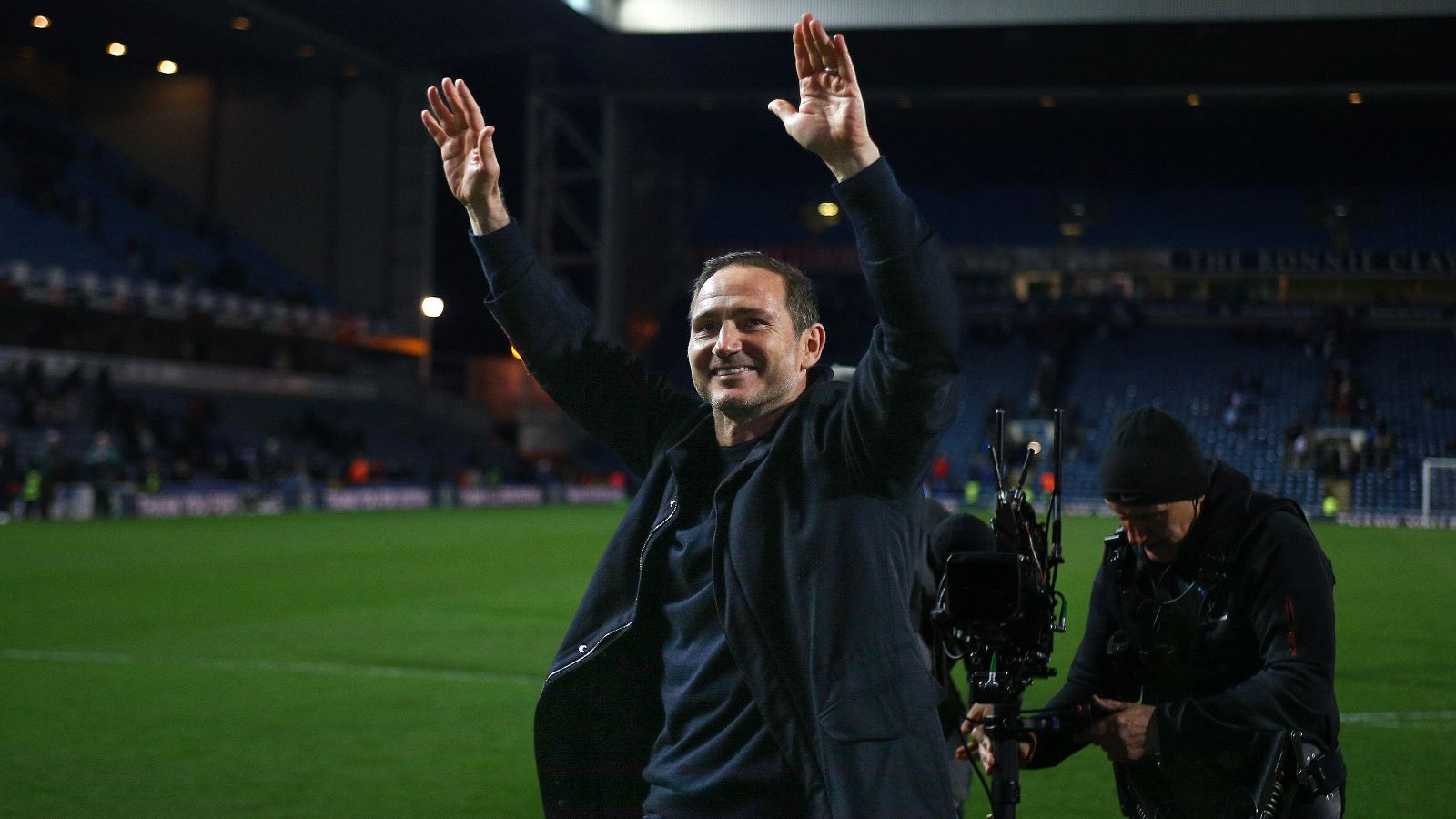
When Enzo Maresca left Chelsea—a manager who'd achieved more than Amorim and whose club sat higher in the table—nobody suggested Hernan Crespo ring the board about recruiting Michael Ballack because he "knew the place." The Frank Lampard link at least made sense given his Championship credentials. At United, there's an almost desperate hunger to resurrect the 1990s and 2000s.
The problem runs deeper than individual suggestions. Media outlets naturally gravitate towards pundits with titles and trophy cabinets. Title winners carry more credibility than players from United's recent struggles. That's why you predominantly see Paul Merson, Lee Dixon, Ian Wright and Thierry Henry discussing Arsenal—they won things.
This creates an impossible standard. Every decision gets analysed under a microscope. Compare photographs of Amorim's arrival with his departure and you'll spot the toll. The Portuguese manager was stunned by the volume of interviews demanded in week one, but that's the Manchester United effect—everyone wants a piece of the club, regardless of league position.
Sir Alex Ferguson waited years for his first trophy. Could he have survived in today's environment, with former players questioning his every move daily? When he dropped David Beckham, would social media backlash have forced him out? Ferguson simply avoided the newspapers and got on with the job.
That world no longer exists. In 13 years since Ferguson departed, football has transformed beyond recognition. The nostalgia pining for his era chases something fundamentally unattainable.
INEOS and Ratcliffe have made questionable decisions since taking over football operations. But when every choice feels like the biggest decision in the world, mistakes become inevitable. Fletcher, Xavi, Zidane, or whoever comes next—nothing changes while the former player chorus keeps singing.
Manchester United generates more revenue than any other club globally. As long as that remains true, expect anyone who ever glanced at a red shirt to confidently explain who should be managing them and why it'll finally restore glory days. Even Steve Bruce.
Compare options