48-Team World Cup Format Serves Up a Dire Viewing Menu for English Fans
The Grim Reality of Group-Stage Football in 2026
The 48-team World Cup format has been much maligned, and rightly so. A deep dive through the twelve groups reveals why: there's simply not enough compelling football to justify the bloated schedule. Of the lot, barely a third of the group games warrant setting an alarm for.
Let's work through them without ceremony or mercy.
Group A presents the most palatable fare: Mexico, South Korea and Czechia offer genuine intrigue, with Mexico versus South Africa potentially serving up an upset wildcard. That's 3.5 games worth watching.
Group B is a non-starter. Nothing here will drag you from your bed. Zero watchable matches.
Group C is where the tournament finds its feet. Brazil may not be what they once were, but they're the centrepiece of a proper World Cup group alongside quality Morocco, Scotland and Haiti. Every Brazil fixture demands attention, and Scotland's three games are unmissable – assuming you're not emotionally invested in them actually progressing. That's 5.5 games of genuine interest.
Group D offers nothing. Even the kit clash between USA and Australia isn't enough to merit flicking over. The prospect of American embarrassment or an Iran playoff remains the only silver lining to an otherwise dreary collection of fixtures. The kick-off times – 2am, 3am, 4am, 5am – ensure you'll be watching nobody. Zero games.
Group E sees Germany steamroll their way through, though Côte d'Ivoire versus Ecuador and the Ivorians against Ecuador in a qualification decider have modest appeal. The winner of that second tie faces France, Senegal or Norway; the loser gets a reprieve against Group B or D's runner-up. That's 2.5 games worth your time.
Group F theoretically works on paper. Netherlands, Japan and Sweden should produce a decent round-robin, with Tunisia offering upset potential. Sweden were dreadful in qualifying but possess capable players and a manager who talks a good game. Deduct half a point for the inevitable shots of attractive female spectators during Netherlands versus Sweden instead of actual football. 2.5 games.
Group G begins with Belgium versus Egypt – a battle of ageing ex-Premier League stars – then collapses entirely. One watchable match.
Group H follows suit. Spain versus Cape Verde carries novelty value and a nice symmetry given the 2030 host nations involved, but it's slim pickings thereafter. One game.
Group I features France, Norway and Senegal in what should be a respectable round-robin, though France versus Haaland will inevitably disappoint. That's 3 games, though arguably this is the tournament's toughest group getting a raw deal.
Group J is baffling: the reigning world champions are here, yet it inspires nothing but apathy. Zero games.
Group K rests entirely on Portugal versus Colombia – two genuinely excellent sides – in what's been deemed the toughest or second-toughest group. The winner gets a gentler knockout route; the loser probably faces England's group runner-up and then, almost certainly, Spain. One game.
Group L – England's group – is the real kicker. Even the hosts can't save this one. At least one of England versus Ghana or England versus Panama will be utterly tedious. Best case scenario: 2.5 watchable games. Worst case: three unwatchable snoozers.
Can Any England Squad Actually Compete?
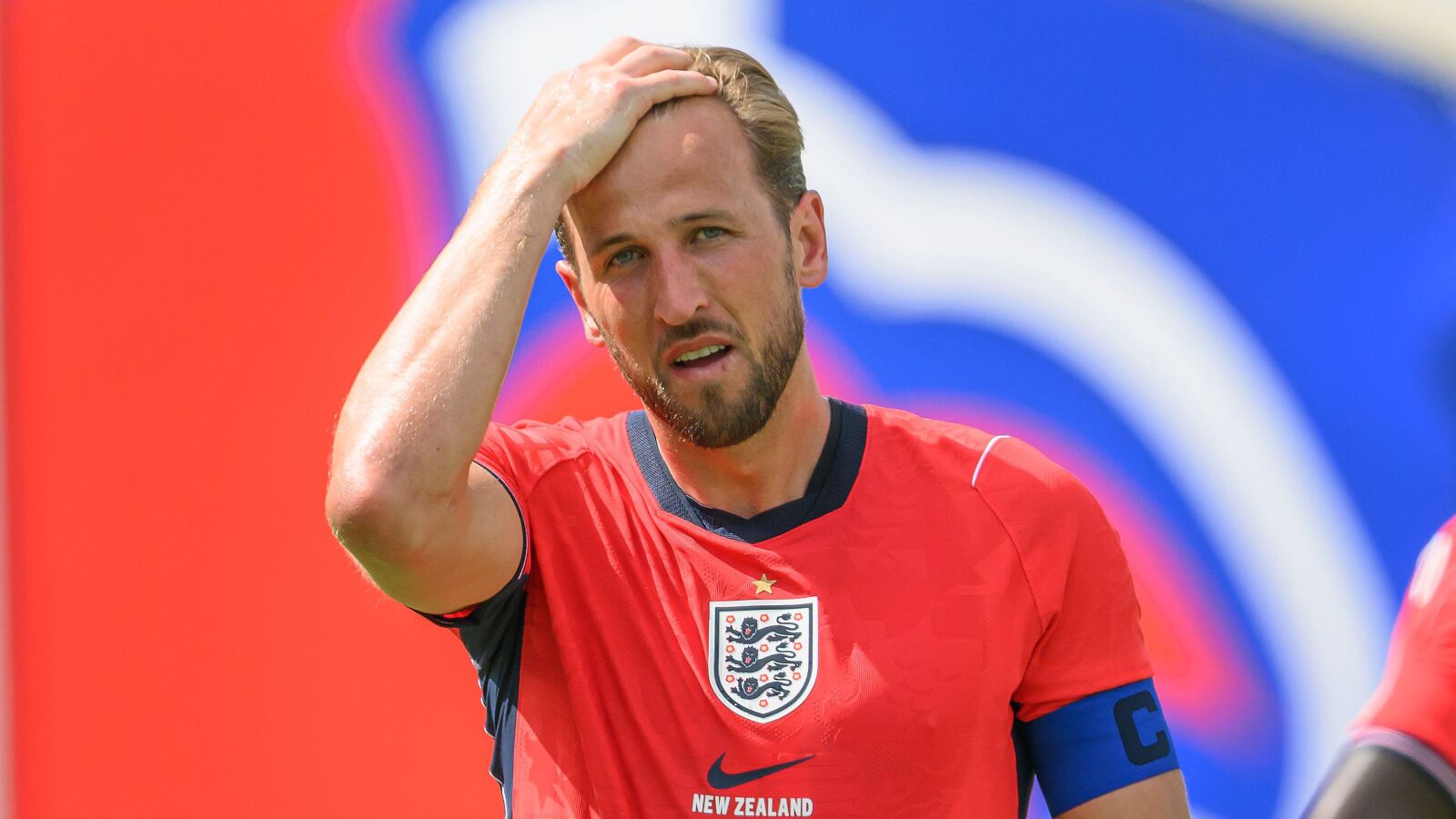
The consensus holds that England won't reach the final, and it's hard to argue otherwise. But the peculiarity of squad selection and tournament preparation – bizarre New Zealand preparation notwithstanding – raises an interesting question: would a different XI have changed the narrative?
Every team has vulnerabilities, yet England's over-reliance on Kane represents a genuine gamble. The future doesn't look considerably brighter either. It's a far cry from the days when we had too many quality strikers to fit them all in.
The Noise Around England's Fanbase
There's been chatter about England supporters potentially singing anti-political slogans. The reality? They're far likelier to direct their ire at Gary Neville than any international figure. The suggestion that England fans might belt out certain political chants rather misses the mark about what actually gets the crowd going.
Measuring Life in World Cups
For some, the World Cup serves as a life marker. One reader, now 32, has been consuming football coverage for precisely half their lifetime – this upcoming tournament will be their seventh World Cup. Despite the bloated format and the depressing politics surrounding it, there remains genuine excitement about the prospect of three or four matches daily, particularly the late-night and early-morning kick-offs.
For all the legitimate grumbling about the expanded format and its implications, there's something undeniably compelling about tournament football. Whether you're fully invested, watching begrudgingly, or steering clear entirely, the World Cup retains its peculiar hold on the football-watching public.
Come on England.
Compare options