England's Striking Crisis: How Tuchel Inherited a Forward Line in Freefall
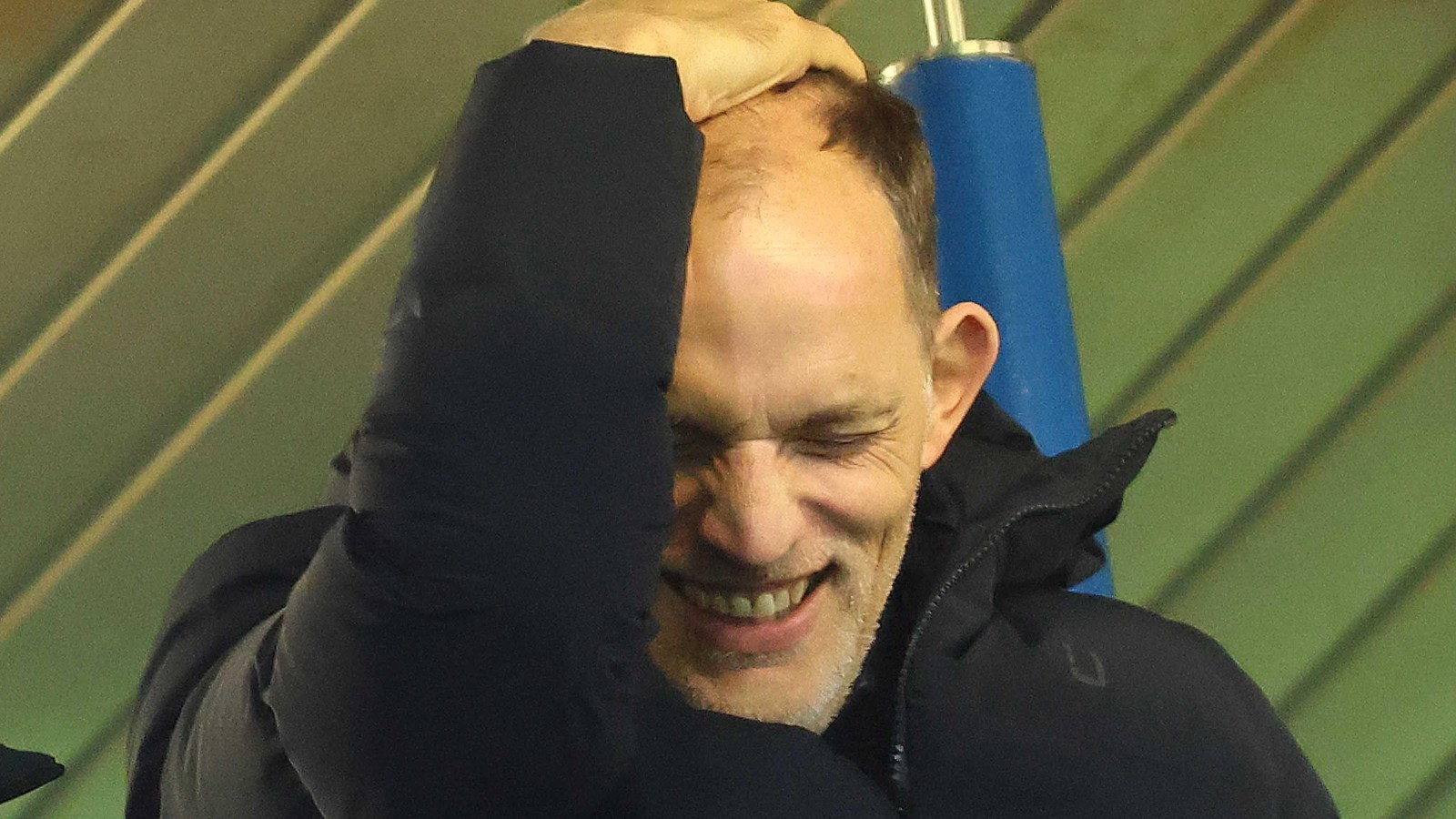
England arrive at the 2026 World Cup as third favourites, yet their attacking arsenal resembles a storage unit gathering dust. Despite being positioned among the competition's contenders, Thomas Tuchel must navigate a tournament campaign with his strikers misfiring at a rate that would make any manager's hair turn grey.
The current situation is particularly grim when examined against historical precedent. Only Harry Kane has cracked double figures in the league this season, with Mason Greenwood managing 15, Danny Welbeck 12, and a pair of others at 10 apiece. Beyond Kane, no other England-eligible player has reached that two-figure threshold across the entire campaign.
"I love my players," Tuchel reflected. "I really love the quality of our players especially the offensive players but the numbers, the pure numbers of our players on the wing and wherever – except for Harry – are not the outstanding numbers we would normally expect."
A Pattern of Painful Omissions
The struggle to field a potent forward line isn't new to English football. A sweep through tournament years reveals a catalogue of bewildering decisions and missed opportunities.
When Terry Venables assembled his squad for Euro '96, he possessed Alan Shearer (31 Premier League goals), Robbie Fowler (28), Les Ferdinand (25) and Teddy Sheringham (16). Yet Ian Wright and Chris Armstrong, both with 15 goals, found themselves left behind entirely. Venables later described choosing which strikers to omit as "the most difficult decision of my footballing life."
Glenn Hoddle's 1998 World Cup selection proved equally controversial. Of the five leading English goalscorers, only 18-year-old Michael Owen made the cut. Chris Sutton, Dion Dublin and Andy Cole all remained at home, leaving the teenager to shoulder an enormous burden alongside an injury-plagued Alan Shearer and a misfiring Sheringham.
The pattern continued relentlessly. Kevin Phillips, one of only three Englishmen to score 30 Premier League goals in a tournament year, sat unused throughout Euro 2000. Four years later, Alan Shearer topped the charts during his international retirement, while six other players reached double figures – yet only Owen made Sven-Goran Eriksson's Euro 2004 squad alongside Frank Lampard.
The Bent Paradox
Darren Bent became English football's most cruelly overlooked striker. In 2005-06, he finished behind only Thierry Henry and Ruud van Nistelrooy in the Premier League, yet Eriksson opted for uncapped teenager Theo Walcott instead. When questioned, the manager simply replied: "Probably not too logically. Sometimes you do it on feelings as well and I am excited about Theo Walcott."
Four years later, Bent repeated the trick – outscored only by Didier Drogba and Rooney in 2009-10 – only for Fabio Capello to overlook him once more. This time, Emile Heskey earned the nod.
Recent Regrets
Gareth Southgate's reign saw its own share of questionable calls. Glenn Murray's omission from the 2018 World Cup squad prompted Joey Barton's spirited defence of the Brighton forward's credentials, yet Southgate selected his established favourites instead. Rashford played just 54 knockout minutes across the tournament.
Patrick Bamford's Euro 2020 exclusion drew Southgate's explanation that he "didn't see any reason to change those positions." Ollie Watkins, meanwhile, was cut from the initial 33-man squad, only to later become a crucial contributor. Dominic Solanke's omission from Euro 2024 proved equally questionable – he was snubbed despite matching the goalscoring form of several squad members.
The Kane Conundrum
Kane arrives at 2026 as the sole reliable source of goals. Whatever protective measures the FA can implement to preserve him for the summer tournament should be deployed without hesitation. A metatarsal injury would prove catastrophic given the burden already resting on his shoulders.
The identity of his backup remains uncertain, but the broader supporting cast's form is the genuine concern. Tuchel must construct an attacking unit from players who have collectively underperformed in the domestic game. It's a puzzle that has confounded England managers for three decades, and there's little to suggest it will resolve itself before the tournament kicks off.
The numbers tell a damning story. And right now, they're not remotely good enough.
Compare options