England's Midfield Dilemma: Why Bellingham and Rogers Must Start Together
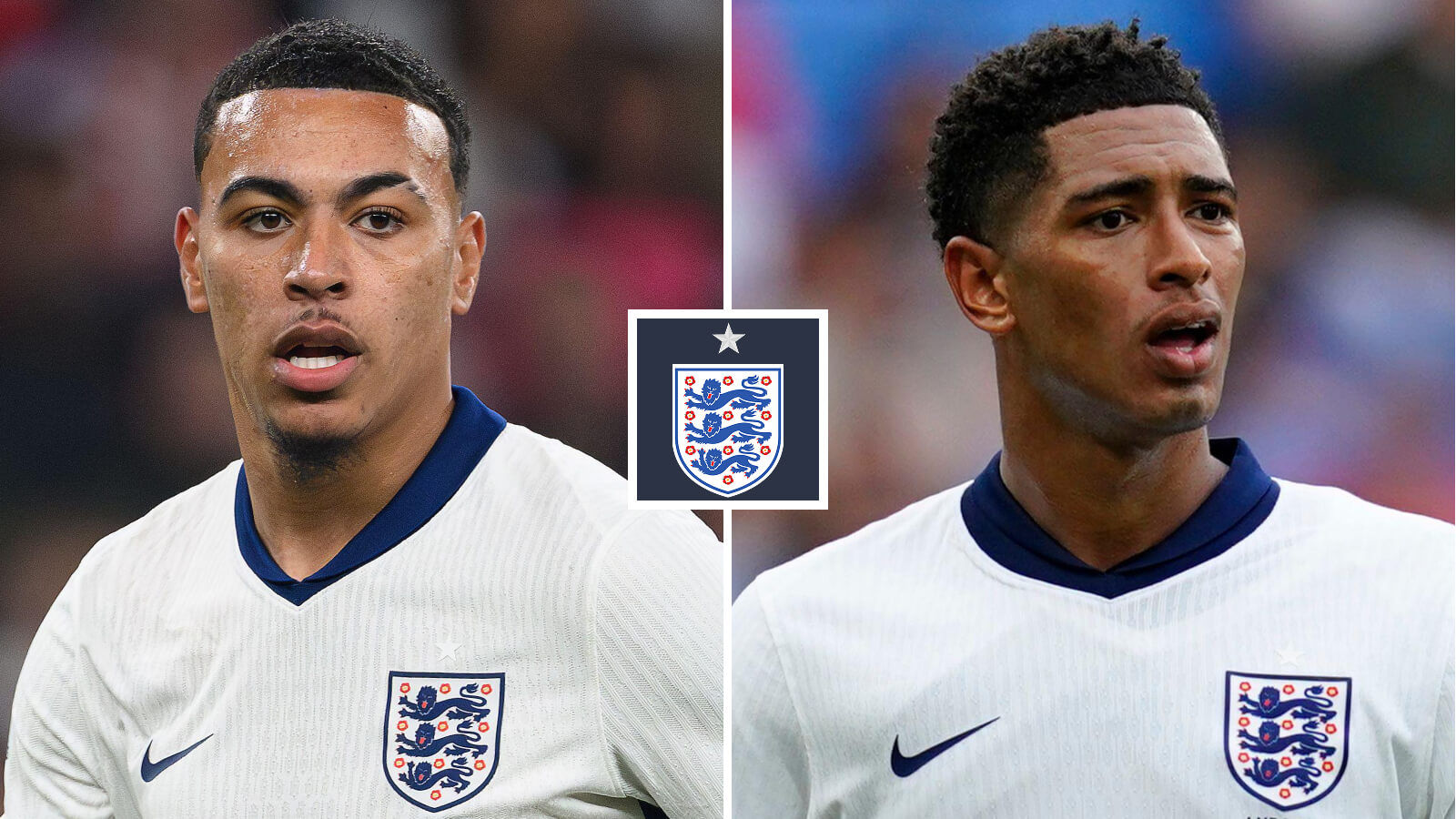
The debate raging through England's fanbase centres on a fundamental question: can Gareth Southgate's squad genuinely compete on football's biggest stage, or are we destined to lumber through the tournament with tactics that belong in a bygone era?
The consensus is stark. Few believe England can lift the World Cup trophy, particularly if Bellingham is shoehorned into a traditional number 10 role. Yet there's a growing conviction that a different approach—one built around Bellingham and Rogers operating together from midfield—offers genuine hope.
The Case for System Over Stars
Comparisons with France reveal an uncomfortable truth. England possesses players of equivalent quality, yet lacks any discernible style of play. The endless tinkering over the past year, the constant rotation of personnel, the philosophical shift toward "teams win tournaments"—it's all rung hollow. Yes, teams do win tournaments, but only when those teams are assembled from world-class individuals operating within a coherent framework.
The fear is palpable: without settled selections and tactical clarity, England will regress to the long-throw tactics of the 1970s, relying on Dan Burn's aerial dominance rather than controlling proceedings. Tuchel's appointment hasn't inspired widespread confidence, particularly given concerns about defensive solidity. England's centre-back situation remains perilous, forcing the narrative that Marc Guéhi represents some sort of defensive messiah when the reality is considerably more modest.
The obsession with fielding a number 10 deserves questioning. If your system doesn't require one, why force the issue? A 4-3-3 formation with two attacking midfielders and a front three makes far more sense than shoehorning another playmaker into an already congested attacking line.
The Optimal Setup
The solution is straightforward: Pickford in goal; Trent Alexander-Arnold, Guéhi, John Stones, and Luke Shaw across the back; Rogers and Rice anchoring midfield with Bellingham driving forward; Bukayo Saka and Marcus Rashford providing width either side of Harry Kane. This setup allows Rice to sit deep, permits Bellingham and Rogers to surge forward from halfway, lets Kane drift into pockets of space, and gives England the pace and directness needed to hurt opponents.
The Street Smarts Problem
Yet even with the perfect XI, a deeper issue persists: England's players lack the guile and maturity of their continental counterparts. Bellingham's talent is undeniable—he's a cornerstone of Real Madrid's midfield—yet his naivety in crucial moments undermines his brilliance. He engages with opponents beneath his level, complains theatrically to referees, and lacks the calculated restraint of truly elite operators.
Compare this to Giorgio Chiellini's masterclass in gamesmanship. When Saka burst past him in a knockout clash, Chiellini didn't panic or flail desperately. He calmly assessed the situation, took a yellow card by the slimmest margin, and later reflected: "It was a stupid mistake on my part. I misread the situation, but I was able to react to the error. At that moment, it was the right thing to do. It was not the nicest or most beautiful thing to do, but I am someone who always focused on being effective rather than elegance or style."
That's the difference. Wayne Rooney's surprise at his own dismissal—"Ronnie!?!"—epitomised England's recurring problem. We produce magnificent players who occasionally play like schoolboys when the stakes matter most.
Realistic Expectations
Realistically, England won't win this tournament. The gap has narrowed over two decades thanks to the Premier League's global talent pool and the development infrastructure at St George's Park, but we still lack that final ingredient: street smarts. Without significant improvement in how our players conduct themselves under pressure, don't expect silverware anytime soon.
Is that cause for despair? Not particularly. It's just football, after all. More pressing concerns surround the tournament format itself—48 teams producing group stages so diluted that even mediocre sides advance, threatening to turn matches into procrastinates devoid of genuine competition. The weather in North America could prove equally problematic, with potential stoppages disrupting the flow of proceedings.
Yet history suggests the World Cup possesses an almost mystical quality. Yes, the format expands, the complications multiply, and FIFA finds fresh ways to complicate matters. But somewhere between the opening ceremony and the final whistle, fresh classics emerge. Twenty years hence, we'll argue about where the 2026 highlights rank among the tournament's greatest moments.
That's the enduring magic: the World Cup changes, yet the memories persist in winning.
Compare options