Tuchel's Men Sleepwalk Through Tampa as England Friendly Lacks Spark
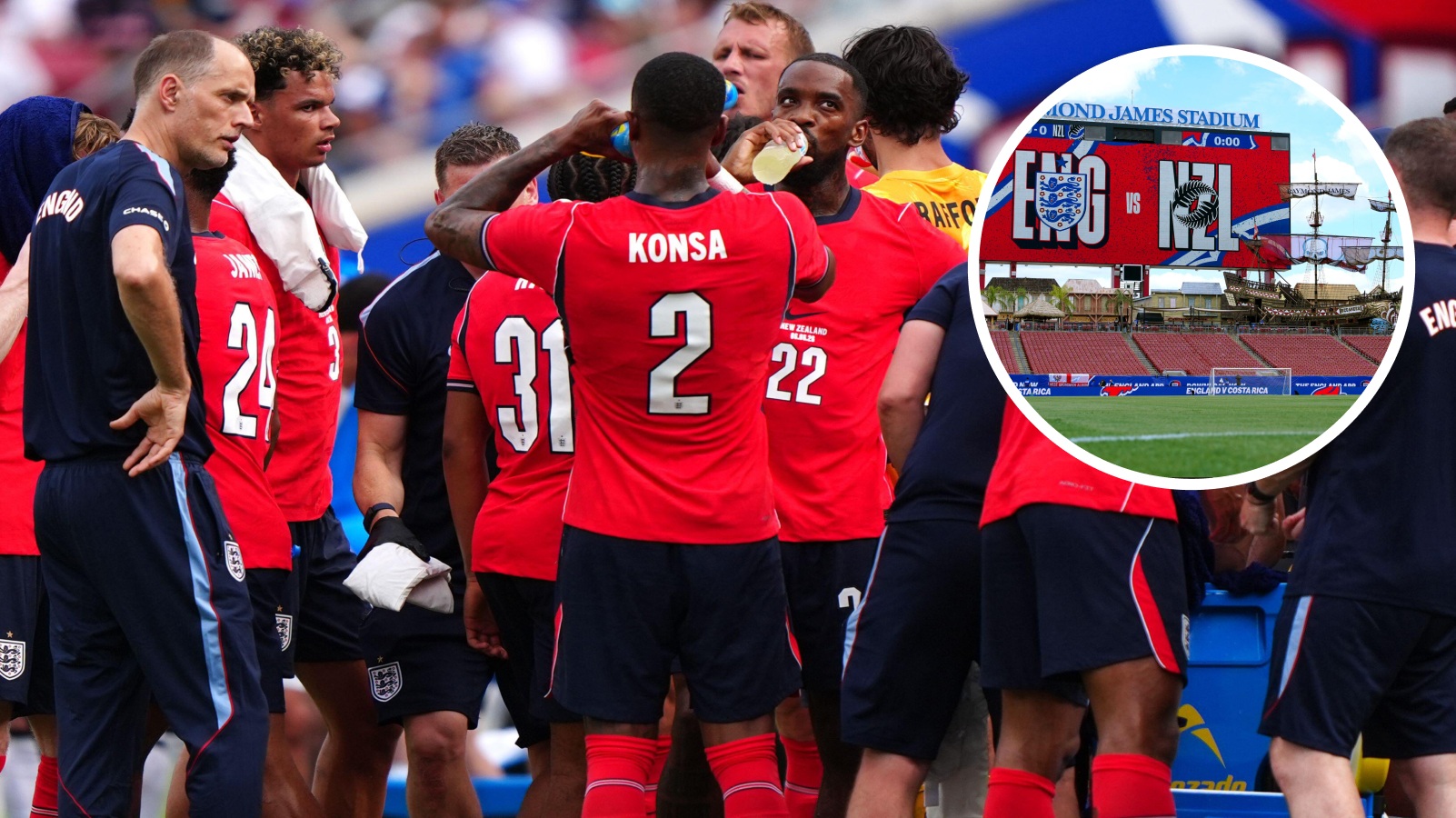
ITV's opening gambit promised much—"The stage is set and England's job is to command it"—but Saturday night's fixture against New Zealand quickly revealed itself as something of a slog. This was always destined to be a hard sell: a chance to acclimatise, rack up minutes without picking up injuries, and little more. The viewing public, sensibly, opted to embrace the weekend weather instead.
What unfolded in Tampa Bay was classic England friendly territory—soporific, uninspiring, and mercifully brief on genuine intrigue. New Zealand, supposedly targeting the knockout stages according to tournament literature, looked decidedly ordinary; you'd fancy Bristol Rovers against this lot on a neutral day.
The real talking points revolved around the venue itself. The pitch came in for pre-match scrutiny—"dry and uneven" in the assessment of one pundit—whilst the Florida heat turned England's travelling support the colour of boiled lobsters. Lee Dixon's quip about needing no warm-up because the weather had already done the job proved characteristic of the evening's tone. The stadium atmosphere, meanwhile, was distinctly subdued, with stretches of play accompanied mainly by players shouting instructions to one another.
Tuchel cut a notably relaxed figure in the technical area, eschewing a cap despite his follicular geography—a bold choice that would've made Steve McClaren wince. The opening period saw several England players—Kane among them—loft hopeful long-range efforts into the crowd, treating fans to expensive souvenirs. The ball, early indications suggest, carries a certain floatiness about it.
Kane duly added another international goal with a glancing header before the interval, though the occasion hardly set pulses racing. The hydration break, soundtracked by stadium music, proved thoroughly modern and thoroughly T20 in its execution.
Tuchel's masterstroke came at the interval: wholesale changes. The entire XI was replaced, with the substitutes' minutes dutifully recorded for posterity. Gordon's arrival from Barcelona raised eyebrows, his directness seemingly positioning him as the favourite to start ahead of Rashford come the tournament proper.
What became apparent as the second half unfolded was England's increasingly continental approach. Players from Barcelona, Real Madrid, Bayern Munich and Bayer Leverkusen exchanged passes with almost deliberate care, a far cry from the pressing intensity that once defined English football. The tempo dipped noticeably, occasionally approaching a crawl as possession was treated with almost continental reverence.
Rio Ngumoha's debut merited attention—the youngster appeared to produce something worthwhile with virtually every touch, already generating enough hype to fuel the Euro 2028 conversation.
Beyond the action itself, two broader observations demanded space. ITV's pre-match examination of ticket prices felt distinctly like box-ticking exercise before the real tournament begins, though of the three supporters interviewed, only one cited costs as a barrier to attending the World Cup itself. That figure will likely warm the heart of FIFA's hierarchy; there's precious little incentive for the organisation to reduce prices if demand remains robust regardless.
The refreshment situation proved equally grim. A litre of water at $8.75? The players, meanwhile, enjoyed their contest carved into four quarters—very much like a parent preparing their toddler's dinner.
Throughout proceedings—the match, the coverage, the entire spectacle—there hung an unmistakable sense of obligation. Tuchel and his squad appeared to be simply getting through it. ITV seemed resigned to the same. And if you're being honest, so did everyone else. The World Cup itself risks feeling similarly inevitable rather than inspiring.
Compare options