Tuchel's Tactical Masterstroke: How Djed Spence Substitution Transformed England Against Croatia
England's opening match against Croatia told two distinctly different stories—and the chasm between them came down to one man's half-time adjustments.
For the opening 45 minutes, the familiar England narrative reasserted itself. Croatia arrived with a clear blueprint and the nous to execute it, pressing high and inviting England to play out from defence. Too readily accepting that invitation, the Three Lions gifted possession in dangerous territory repeatedly. The real issue, though, lay in England's midfield structure. With Harry Kane dropping deep to collect the ball while attacking players pushed forward, gaping holes opened through the middle. Each time Kane surrendered possession, Croatia had a highway through which to attack.
It was the old story: reactive rather than proactive, vulnerable rather than commanding. Set pieces and counter-attacks became England's primary currency, while Croatia's experience and discipline appeared to have the measure of their hosts.
Then came half-time, and Thomas Tuchel's intervention.
The manager immediately identified the midfield malfunction. Inverting the full-backs—notably Nico O'Reilly stepping inside—provided England with additional central presence, easing the burden of possession progression. The structural imbalance evaporated almost instantly.
What followed was a carefully orchestrated attacking refresh. Marcus Rashford replaced Anthony Gordon, Bukayo Saka came in for Noni Madueke, and Morgan Rogers took over from Declan Rice. Each substitution seemed logical enough—Gordon had grafted tirelessly despite limited reward, while Madueke had shown promise without quite delivering the directness required. Fresh legs, more pace, greater attacking threat: the logic was sound.
But the masterstroke came roughly ten minutes later.
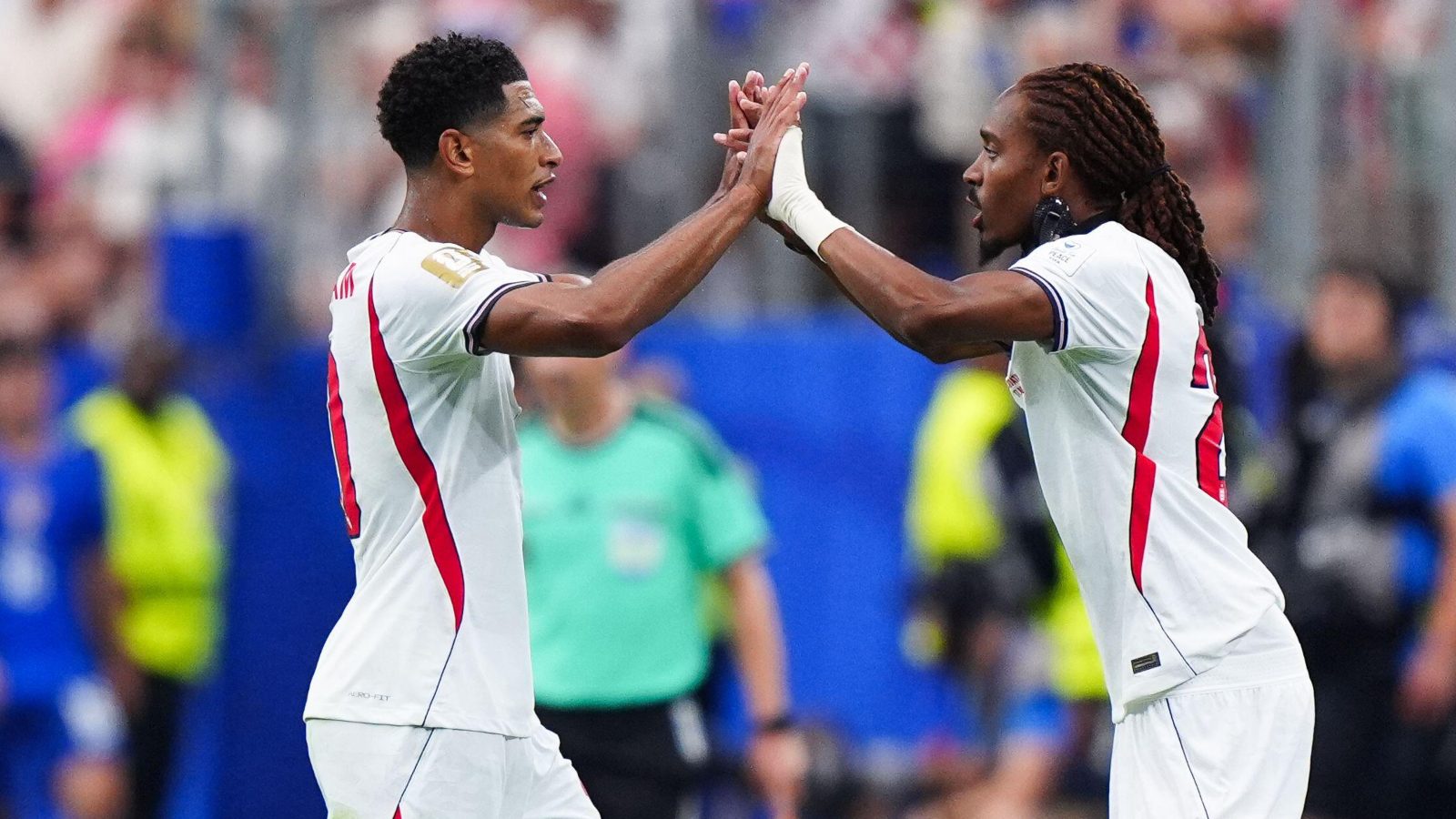
Withdrawing Jude Bellingham to introduce Djed Spence appeared baffling at first glance. Why not summon Jordan Henderson or Kobbie Mainoo if midfield control was the objective? Yet Spence's introduction permitted Reece James to occupy an official holding midfield position, sitting directly ahead of the back four and providing a constant passing outlet. The spaces that had been Croatia's playground all afternoon simply ceased to exist. England suddenly looked secure in possession, and their opponents' tactical grip disintegrated.
It represented outstanding in-game management across three distinct phases: first, correcting the fundamental structure; second, injecting attacking potency; finally, implementing an unconventional solution that addressed England's most glaring vulnerability.
For the first time under Tuchel, observers witnessed a complete England transformation within a single match. The first-half version—hesitant, reactive, tactically second-best—gave way to something altogether different: adaptable, proactive, expertly constructed. That adjustment, and the manner in which it was executed, suggested England possess genuine cause for optimism moving forward.
Compare options