England's World Cup Glory Comes With a Dark Shadow: Why We All Must Face the Domestic Abuse Crisis
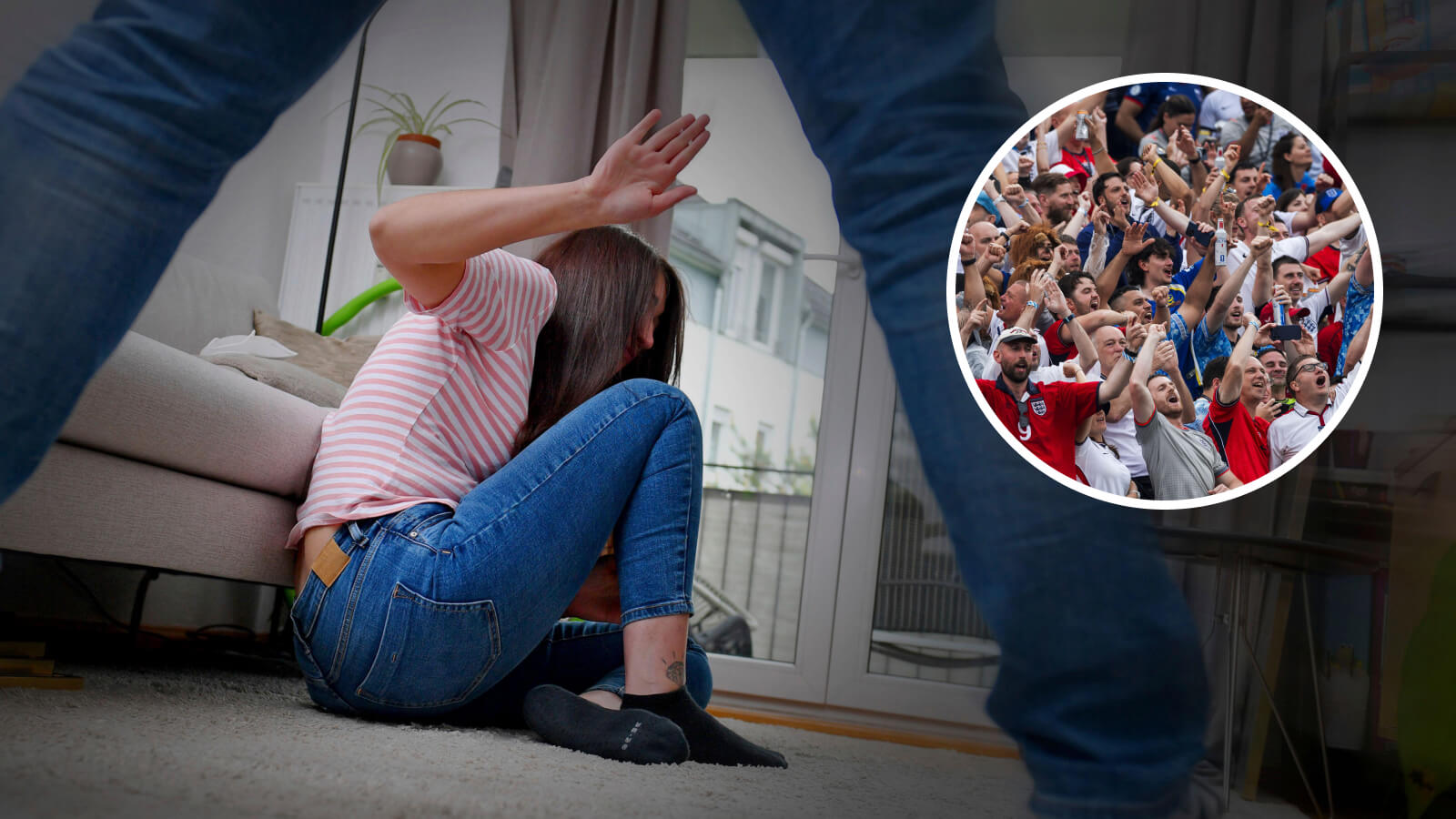
The numbers are impossible to ignore. When England crashed out of the 2014 World Cup, domestic abuse incidents climbed by 38%. Oddly, they rose again by 26% when the team won or drew. More recent data reveals a 47% spike in alcohol-fuelled domestic violence following England victories, with incidents jumping 11% the day after any match regardless of the outcome.
Yet most of us—football supporters included—acknowledge these statistics, nod gravely, and move on without truly reckoning with what they mean. That while we're celebrating with our mates, women down the street are living in fear. That an England campaign brings dread to some rather than joy.
The problem is systemic. Domestic abuse gets filed away as a "women's issue," which conveniently absolves men of any responsibility to think, act, or care. But that framing is fundamentally wrong. Domestic abuse isn't caused by women. It's caused by men unable to regulate their emotions, men failing to process their struggles in healthy ways.
Sports media will dutifully cover this during major tournaments—Woman's Hour will dedicate segments, advice lines will be promoted, support services highlighted. That's vital and potentially lifesaving. But it's only half the conversation. The other half requires prominent footballing figures, politicians, and anyone with influence to speak about this openly and honestly, examining why sport can inflict such damage.
Consider the psychological machinery at work. During a tense match, the body operates as though facing genuine physical danger—adrenaline surging, cortisol spiking. Add alcohol and other substances into that cocktail, then throw in the crushing anticlimax when the final whistle blows and reality crashes back in. For many, a major tournament becomes emotionally intertwined with their sense of self-worth. When the team fails, it feels personal. When they succeed, the euphoria promises to solve everything—the job anxieties, the relationship worries, the existential questions. It never does.
Take August 25, 2019. England's cricketers were celebrating Ben Stokes' match-winning century in the Ashes, a genuinely historic moment. That same evening, a personal argument spiralled after what should have been a triumphant day. The intensity of living every ball, every run, creates an emotional investment that the real world simply cannot sustain. The celebrations end. The highlights finish. You're left holding the remote as ordinary life resumes, your body still flooded with hormones, your mind struggling to recalibrate.
The 2021 Euros final crystallised this disconnect. With England thirty minutes from ending 55 years of hurt, the realisation struck that victory couldn't solve the genuine anxieties consuming daily life—career uncertainty, housing prospects, relationship hopes. Sport sells us a fantasy that winning will cure everything. The branding, the narrative, the national mythology around England's pursuit of glory—it all dangles that carrot. But when self-worth becomes tangled with team performance, when defeat mirrors personal failure, the anger and pain intensify dramatically.
This isn't an excuse for violence. Perpetrators bear full responsibility for their actions. Understanding the mechanism doesn't absolve anyone. But it does explain the spike in incidents.
What changes things? A genuine national conversation that extends beyond women's media spaces. Football figures, politicians, and influential voices need to discuss this earnestly, asking difficult questions about sport's capacity to harm. We must stop dismissing perpetrators as "not real fans"—that's intellectual laziness that prevents meaningful progress.
And perhaps this: acknowledging football's actual limitations. If England win the World Cup, yes, there will be open-top buses and national unity. But those feelings fade. They become happy memories replayed on gloomy Sunday nights. Harry Kane lifting the trophy won't change job prospects or improve anyone's health. The sooner we accept what sport genuinely cannot do, the better equipped we are to mitigate the damage it causes.
If you're experiencing domestic abuse, Refuge operates a 24/7 hotline: 0808 2000 247. Calls are free and confidential. Restitute offers specialised support for those affected by violent or sexual crime, providing practical and personalised assistance.
Compare options