England's F-Team: A Curious XI of Forgotten Talents and Unfulfilled Brilliance
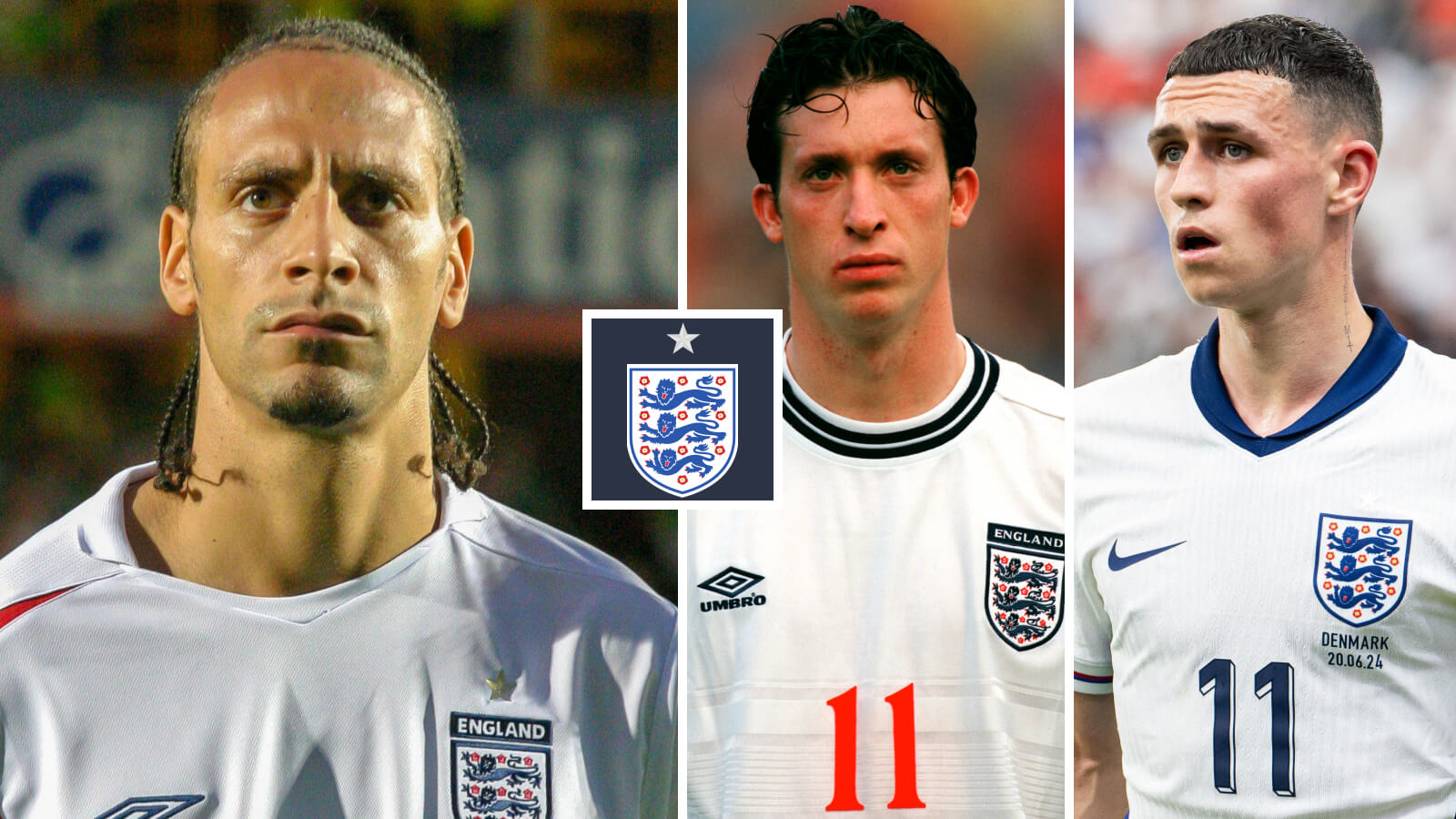
There's a certain poetry to constructing an England XI where every name starts with the same letter—particularly when that letter yields such a motley collection of the accomplished, the unlucky, and the criminally overlooked.
In Goal: Tim Flowers
Five keepers answer the call when surnames are filtered through this particular alphabet trap, yet none commanded the Three Lions with any real regularity. Flowers emerges as the most capped of the bunch, finally getting his hands on the shirt that David Seaman clutched so firmly throughout the 1990s. Foster and Forster squabble for second-string duties, while somewhere in the archives lurks a larger-than-life Sheffield United and Chelsea custodian from the late 1800s who managed precisely one cap.
Defence: Neil Franklin, Terry Fenwick, Rio Ferdinand
Franklin's story sits among English football's great what-ifs. A cornerstone of the post-war defence, he abandoned his country in pursuit of riches in Colombia during the early 1950s—a nation FIFA had blacklisted at the time. England's catastrophic 1950 World Cup campaign might have unfolded differently with him in the side.
Fenwick's misadventure against Diego Maradona in 1986 deserves context. Already treading dangerously on a yellow card after an elbow to Maradona's throat, his half-hearted lunge at the Argentine genius looked less like negligence and more like self-preservation. Des Walker's arrival—faster and considerably more dependable—eventually ended his international tenure.
Ferdinand, by contrast, became the embodiment of longevity. Eighty-one caps across 14 years placed him firmly among England's establishment, though a year-long suspension following a missed drug test likely cost him entry to the exclusive 100-cap club. Manchester United's Bill Foulkes and 1982 World Cup squad member Steve Foster occupy the bench.
Midfield and Attack: A Journey Through Decades
Trevor Francis adorned the wing rather than his customary central role—a positioning that served Nottingham Forest rather handsomely when they lifted the European Cup in 1979. Britain's first million-pound footballer, arriving from Birmingham City, had cemented himself as a Three Lions regular by 23, his blistering pace and crossing prowess making him the standout talent of a turbulent era.
Ron Flowers commanded Wolves' midfield during their golden years, collecting three league titles at Molineux. His mastery of the late 1950s saw him become an England fixture, yet despite scoring twice from the spot during the 1962 World Cup, he drew a blank four years later as Alf Ramsey's squad claimed the trophy.
Gerry Francis embodied the promise of the 1970s, captaining England at just 23—a role that seemed destined to define his career. Instead, a serious injury curtailed that narrative, with his twelfth and final cap arriving barely a year after accepting the armband. Colin Bell suffered similarly under Don Revie's disappointing tenure.
Phil Foden, the Manchester City talent, stands alone among modern candidates for the number ten berth. Harold Fleming, Billy Furness, Cole Palmer, and Johnny Fantham offer little competition—none possess the box-to-box dynamism that allows Foden to drift menacingly forward.
Tom Finney, the Preston Plumber, claimed his rightful position on the left after initially emerging from the right. Delayed until age 24 by the Second World War, he made his debut in England's first match in seven years, scoring in that very game. When Stanley Matthews arrived, Finney shifted flanks, and his subsequent brilliance prompted Matthews himself to rank him alongside Best, Di Stefano, Maradona, and Pele among football's all-time greats. In his maiden outing alongside Finney, England demolished Portugal 10 goals to nil, with Finney's display so overwhelming that Portuguese captain Alvaro Cardoso was hooked at half-time and never represented his country again.
The Striker Conundrum
Les Ferdinand embodied the cruel mathematics of 1990s England—a decade so flush with forward talent that even a PFA Player of the Year couldn't guarantee a Euro 96 appearance. He warmed the bench throughout that tournament, and subsequent seasons alongside Alan Shearer at club level did nothing to shift his international fortunes. Glenn Hoddle's 1998 World Cup squad saw him benched once more.
Robbie Fowler's trajectory proved marginally less frustrating. He arrived for Euro 96 as a late addition, his Liverpool form suggesting he'd inherit Shearer's number nine. By the 2002 World Cup, however, injuries had ravaged his body, and Michael Owen and Emile Heskey claimed Sven-Goran Eriksson's preference. A substitute appearance represented his international goodbye at merely 27.
Such is the curious nature of this particular XI—a team that might have conquered tournaments, had circumstance, injury, and selection whim aligned differently.
Compare options