Inside Rosenior's Chelsea Exit: Training Sessions, Vulnerability, and the "Respect the Ball" Truth
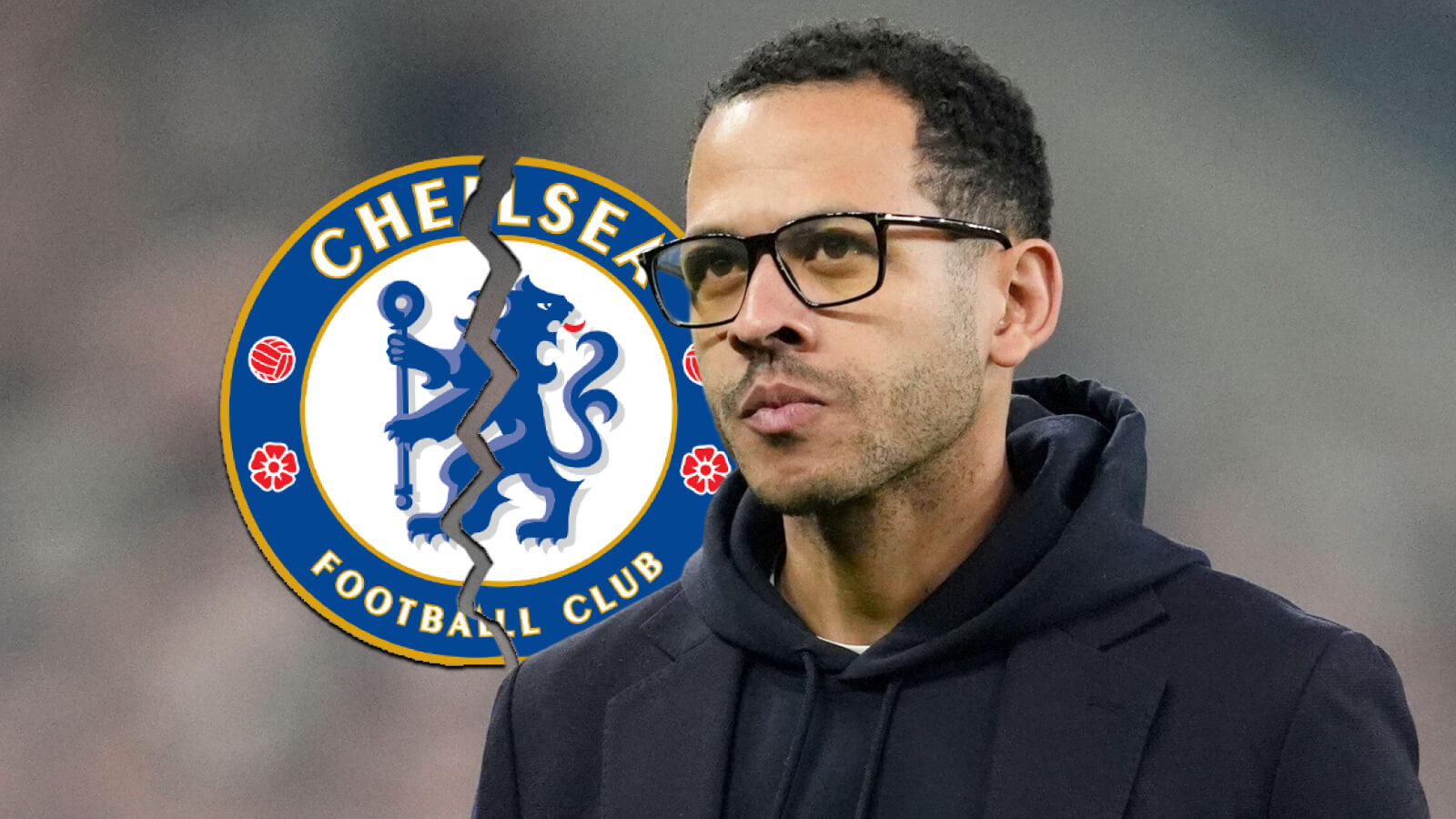
Liam Rosenior's tenure at Chelsea has unravelled with remarkable speed, and fresh reporting provides a revealing window into just how quickly things deteriorated at Stamford Bridge.
The 41-year-old manager was sacked on Wednesday following five straight Premier League defeats without a goal, with the club sitting seventh—seven points adrift of Liverpool and Champions League football. Calum McFarlane steps in as interim boss for a second spell this season, with the FA Cup semi-final against Leeds looming on Sunday.
The broad strokes of Rosenior's downfall are already familiar: players mocking his spectacles, jibing at his corporate-speak vocabulary, and the dressing room growing dangerously restless. His post-match comments following Brighton's 3-0 demolition proved the final straw, pushing an already fractious squad to the brink of open rebellion.
But the deeper picture paints a more troubling portrait of a manager struggling to command either respect or understanding from his playing staff.
Where It Went Wrong
Multiple sources have outlined reservations about Rosenior's communication style that emerged almost immediately upon his arrival. As he was given more training ground time to implement his vision, concerns intensified. One insider close to a senior player revealed that the quality of sessions fell noticeably short of what Pochettino and Enzo Maresca had previously delivered. Players found themselves confused about his tactical intentions and what he actually wanted to achieve—perceiving him primarily as a motivator rather than a strategist capable of managing a top-flight side.
The "Respect the Ball" Revelation
Rosenior wasn't fabricating the peculiar scenes of players huddling around the centre circle, occasionally encompassing referee Paul Tierney. Yet this wasn't his unilateral brainchild. The Athletic's reporting confirms it was a collaborative initiative developed alongside Willie Isa, the club's player support and development officer. It stands as an emblem of a manager attempting unconventional methods to galvanise a struggling group—and failing to convince them it was worthwhile.
Cracks Widening
Team morale deteriorated noticeably as results worsened. Dressing room tension mounted over what some players perceived as insufficient rest days during a difficult run. When certain squad members voiced these grievances, a senior player intervened sharply, reminding them that losing streaks were hardly the moment for complaints about scheduling. The friction suggested deeper fractures forming within the group.
The Vulnerable Admission
Perhaps most telling was Rosenior's admission during a team meeting earlier this week that he was feeling "extremely vulnerable." While the comment wasn't necessarily a direct reference to his job security, it registered as an oddly unsettling thing for a manager to confess to his squad—and the remark crystallised how precarious his position had become.
By Wednesday morning, the decision had been made. McFarlane received the call from the hierarchy; the writing, as they say, had been on the wall for days.
Compare options