Sullivan's Exit Brings Relief to Hammers Faithful After 16 Years of Mismanagement
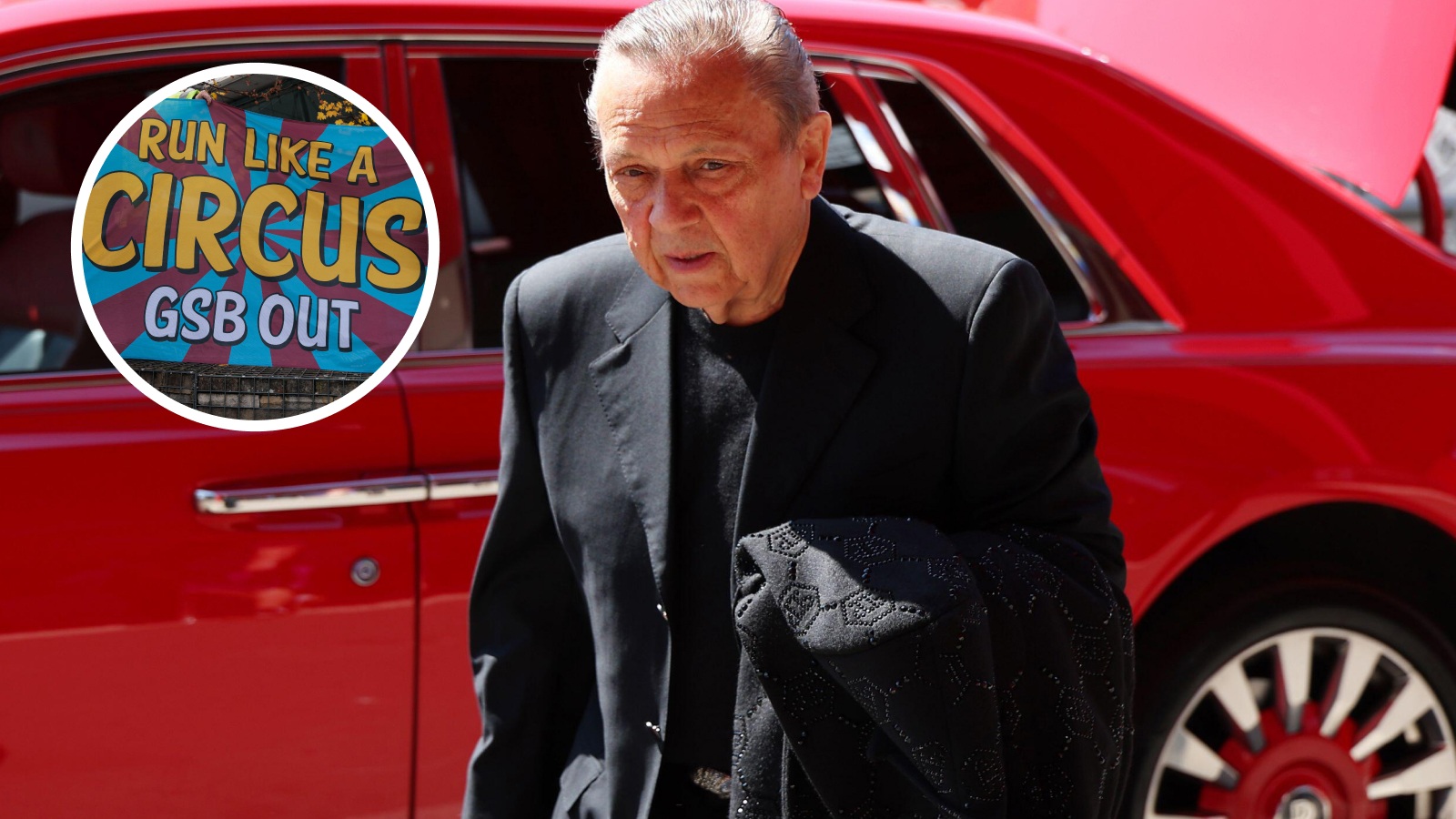
The news of David Sullivan departing West Ham's ownership has prompted scenes of jubilation among the club's fanbase that feel almost surreal. After 16 years at the helm, the co-owner who reshaped—and many would argue, diminished—the Hammers' standing is finally stepping away.
For those old enough to remember, West Ham once carried a certain cachet. They were known for nurturing young talent, attempting to play the game the right way, and calling Upton Park home. There was no particular animosity directed their way. That began to change with the Carlos Tevez controversy, when the club escaped punishment that Sheffield United felt they deserved. But the real shift in perception came when Sullivan, alongside David Gold and Karren Brady, arrived in 2010.
What followed was a masterclass in how to run a football club into the ground—slowly, methodically, and with remarkable consistency.
The treatment of managers told its own story. Avram Grant found himself out of favour mid-season in 2011 when Sullivan attempted to negotiate Martin O'Neill's appointment through the press. Worse still, Grant was reportedly prevented from boarding the team bus home after relegation was confirmed at Wigan, with Scott Parker reportedly intervening on grounds of basic human decency. Slaven Bilic, Manuel Pellegrini, David Moyes, Julen Lopetegui, and Erik ten Hag's successor Potter all experienced similar shabby exits. Even Big Sam Allardyce, hardly a sentimental figure, presumably told Sullivan exactly where to go.
The financial approach was equally bewildering. Money arrived, but investment never followed. Sixteen years later and West Ham possess arguably the Premier League's worst training facilities and a scouting operation that appeared to consist primarily of old copies of Football Manager. Transfer business leaked onto social media, particularly during the Bilic years when negotiations seemed to run through his son Jack. Marquee signings materialised around season-ticket renewal time before the club pleaded poverty when those targets joined rivals instead.
The short-termism was suffocating. Smaller, better-run clubs overtook the Hammers while Sullivan appeared content to spend just enough to finish 17th, treating anything better as a bonus. January panic buys—Ings, Snodgrass, Pablo Fornals—arrived when the Premier League status felt threatened. Yet when the club actually pushed for European qualification, investment mysteriously dried up. In January 2024, with West Ham sitting sixth, Sullivan actively undermined David Moyes by offloading Said Benrahma and Fornals from a threadbare squad. The collapse that followed saw Moyes exit months later.
The Academy pipeline, once a Hammers hallmark, largely vanished. Declan Rice remained the notable exception, and even he departed—announced by Sullivan on talkSPORT the morning after winning the Conference League, a masterclass in tone-deaf timing.
Yet Sullivan's true legacy remains the demolition of Upton Park. The move to London Stadium was sold as a transformative opportunity, a chance to compete with Arsenal, Chelsea, and Tottenham on equal terms. It quickly became apparent the stadium was unsuited to football and supporters had been sold a false prospectus. But here's the damning bit: West Ham didn't change enough. Despite new surroundings, they remained a mid-table side perpetually flirting with the drop. One top-flight relegation per decade became the pattern, with last season's 18th-place finish maintaining the sorry tradition.
Fan groups like Hammers United deserve credit for shifting the narrative. After years of dismissive coverage, media outlets began reporting on the dysfunction Sullivan had orchestrated. Desperate to protect his image, Sullivan ordered stewards at Liverpool to confiscate banners and red cards from away supporters.
Karren Brady abandoned ship in April, unmourned except by one solitary Martin Samuel column. "Two down, one to go" became the social media mantra. At Leeds, as relegation was confirmed, each goal triggered volleys of abuse directed at Sullivan squirming in the director's box.
He'd convinced supporters to surrender much of what made their club special, yet delivered nothing resembling the promised transformation. The strategy boiled down to a big stadium, a badge with "London" awkwardly inserted, and waiting for Champions League riches that never materialised.
Instead, the Championship awaits. Most Hammers supporters will gladly accept that price to be shot of Sullivan. West Ham have surrendered far more than they've gained under his stewardship.
Compare options