Raya versus Donnarumma: Can Data Reveal the Keepers' Fatal Flaws in Arsenal's Title Fight?
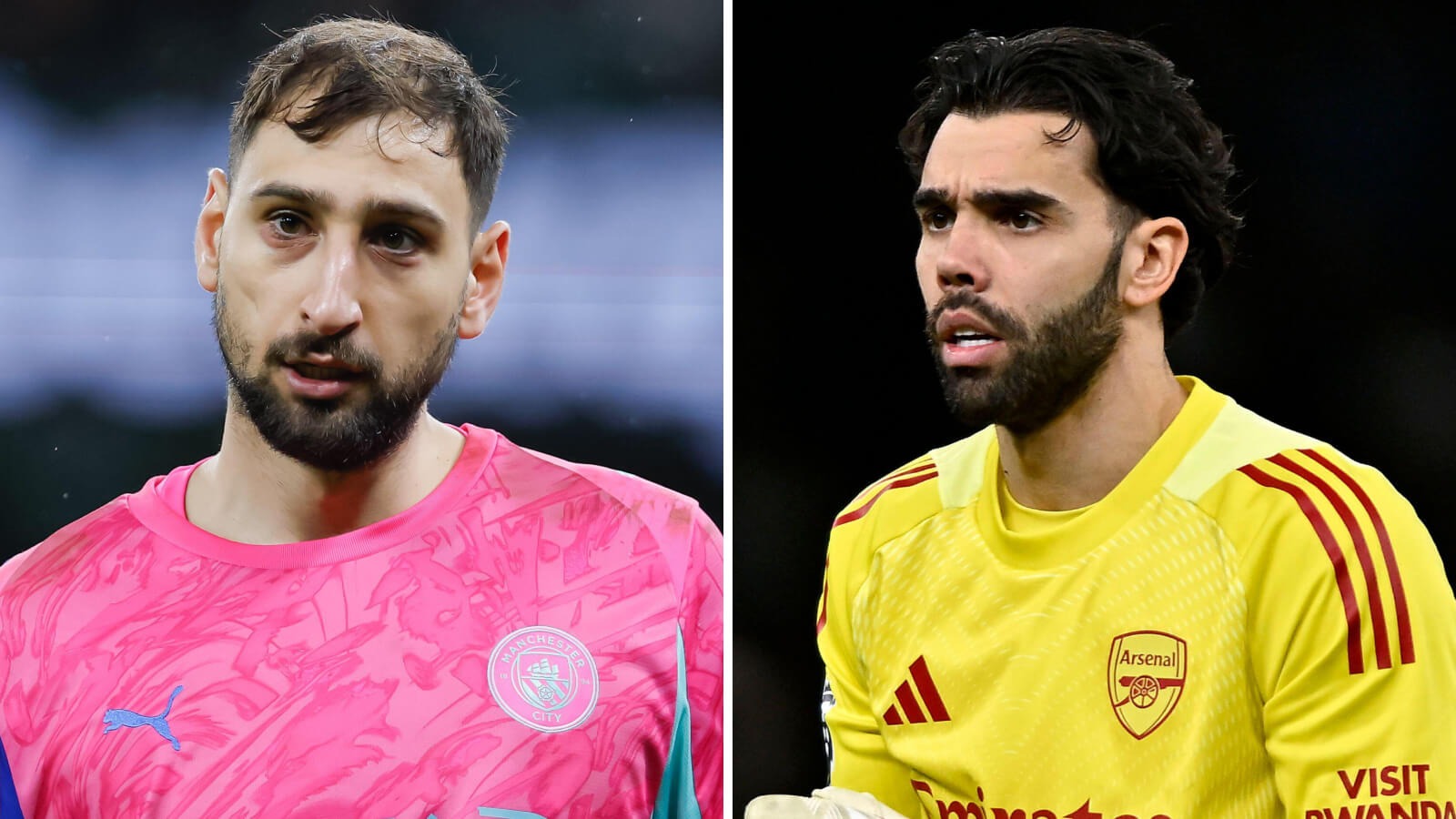
As Arsenal and Manchester City battle it out at the Premier League's summit, the battle between the sticks could prove decisive. David Raya and Gianluigi Donnarumma have become central figures in their respective sides' title charges, yet they arrived at this juncture from strikingly different circumstances.
Mikel Arteta resisted calls to overhaul Arsenal's goalkeeper position despite questions about whether Raya possessed the pedigree for a championship-winning outfit. Meanwhile, Pep Guardiola didn't just replace his keeper—he fundamentally reimagined City's entire approach, ditching a goalkeeper prized for possession brilliance in favour of a shot-stopper supreme, one supposedly less comfortable on the ball and dealing with crosses. The tactical shift prioritised denying opponents over constructing from the back.
When it comes to the goalkeeper's core responsibility—keeping the ball out of the net—who holds the advantage as May approaches?
The Numbers Tell a Story
Gradient Sports' shotstopping grades offer revealing insights. Donnarumma sits second in the Premier League with 85.6, trailing only Emiliano Martinez, whilst Raya claims fourth with 75.8, sandwiched between Martin Dubravka in third.
These grades emerge from assessing every action and save on a nine-point scale ranging from -2.0 to +2.0, calibrated against expected performance. A -2.0 represents a catastrophic error directly leading to a goal; a +2.0 would require borderline supernatural execution.
Across 66 shotstopping events, Raya has registered zero -1.0 performances, two -0.5 actions (3%), 46 neutral plays (70%), 16 positive contributions (24%), and just two elite saves (3%). Donnarumma, busier with 94 events, has never dipped below expectation, posting zero -0.5 actions, 69 neutral (73%), 22 positive (23%), and three elite saves (3%).
The Italian's standout moments include denying Alexis Mac Allister and Harvey Barnes in tight victories, plus a deflected effort at Tottenham. Raya's finest include a spectacular tip over Yankuba Minteh's curler against Brighton and a line-clearing claw from Richarlison's flick at Spurs.
The Broader Picture
Donnarumma has made more saves overall, more saves exceeding expectations, and committed fewer shotstopping errors. Yet the gap remains marginal. Raya's superior positioning and cleaner handling suggest fewer rebounds, whilst Donnarumma's eight poor parries contrast with Raya's three.
The physique difference looms large: Raya stands 6'0", thirteen centimetres shorter than Donnarumma's 6'5". This disparity demands different approaches. Raya's modest frame necessitates immaculate positioning; Donnarumma's height affords greater margin for error—though not much.
Where the Cracks Might Show
Examining where shots find the net reveals intriguing patterns:
Bottom third of goal: Raya 19.5%, Donnarumma 30.5% Middle third: Raya 41.7%, Donnarumma 25% Top third: Raya 57.1%, Donnarumma 16.7%
Donnarumma has conceded from nearly a third of low shots faced, with 18 of his 23 goals arriving in the bottom third. Raya struggles higher up, conceding from more than half of top-third efforts—eight goals from fourteen such attempts.
The pattern suggests a simple remedy: shoot low against Raya, aim high against Donnarumma. Yet these figures don't represent glaring outliers. Senne Lammens and Jose Sa have both been beaten by higher ratios of top-third shots than Raya. Donnarumma's low-shot conversion sits unremarkably in midtable, despite the stark concentration of goals conceded low.
The Verdict
Rather than exposing weaknesses ripe for exploitation, these statistics might highlight strengths requiring circumvention. The two keepers remain remarkably evenly matched across most metrics. Donnarumma delivers the commanding presence and headline saves Guardiola craved, whilst Raya has emphatically answered sceptics questioning his credentials for a championship side. When May arrives, marginal differences could matter enormously—but for now, both have proven more than capable.
Compare options