Ronaldo's Saudi Strike Exposes the Hollowness of His Final Act
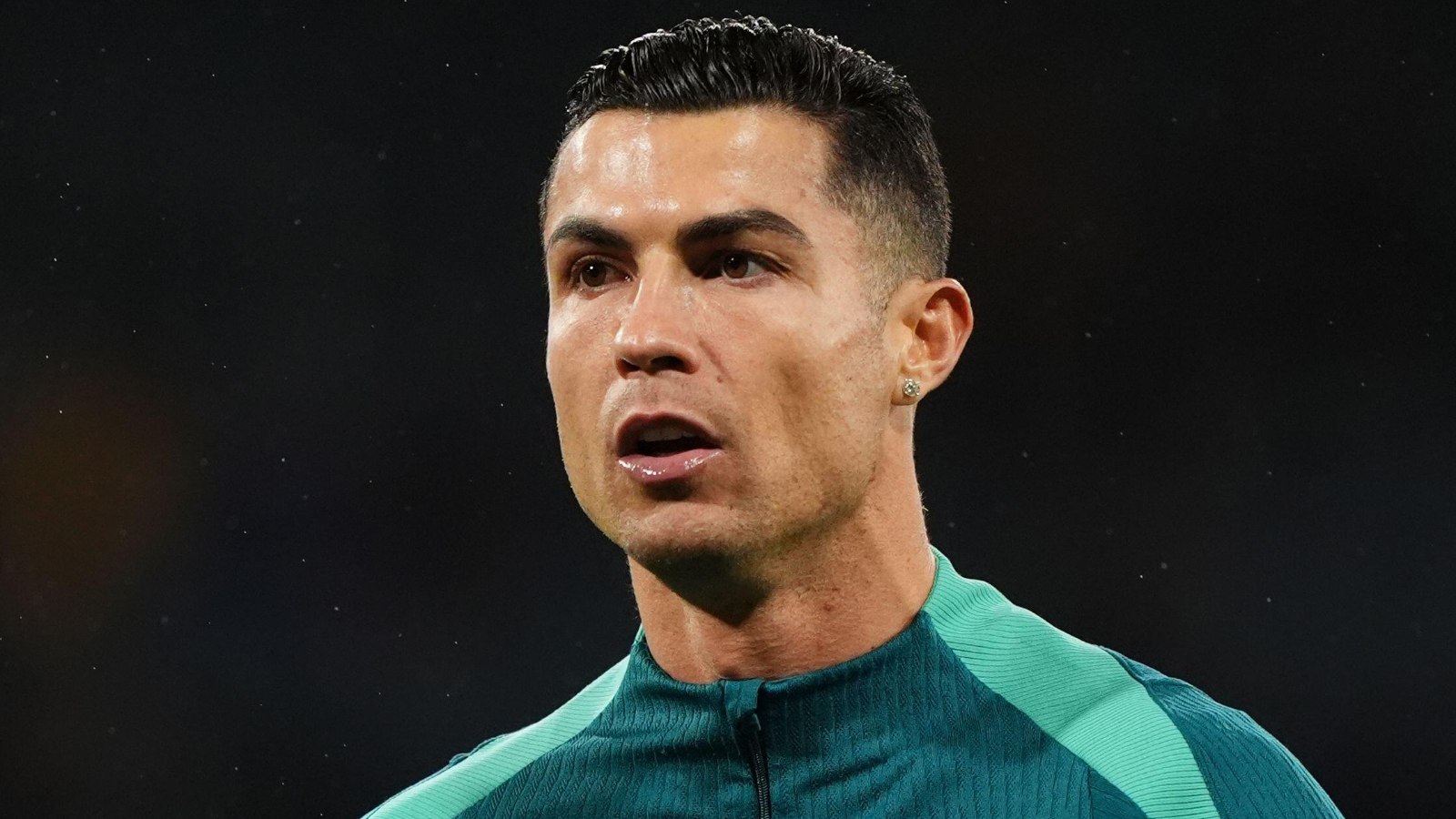
The latest chapter in the ongoing soap opera surrounding Cristiano Ronaldo's Saudi Arabian adventure appears to be drawing to a close, with the 41-year-old poised to return to action this weekend after staging what amounts to a petulant walkout.
For those mercifully unaware of the recent drama, Ronaldo took umbrage at what he perceived as preferential treatment being afforded to Al-Hilal by the Public Investment Fund—the Saudi entity that bankrolls his own club Al-Nassr alongside several others in the league. His grievance: that while his rivals were being strengthened, his own outfit was left empty-handed in the January window. It's the sort of complaint that might elicit sympathy if it came from a player earning a modest wage, rather than from someone pocketing £181.5 million annually on a tax-free basis.
The sequence of events that triggered this latest tantrum was Al-Hilal's acquisition of Karim Benzema from Al-Ittihad—a move that clearly stung Ronaldo, who counted the Frenchman among his former teammates at Real Madrid. Rather than accepting that football operates according to its own logic, Ronaldo instead opted to flex his considerable financial muscle and sit out matches in protest.
The underlying issue, as Ronaldo saw it, extended beyond Benzema's departure. He took aim at the reduced influence of club directors Jose Semedo and Simao Coutinho, figures aligned with his interests, and railed against what he deemed insufficient investment. The irony, of course, is that Al-Nassr has committed €414.47 million since his arrival—hardly the actions of a club pinching pennies.
Three years into his Saudi tenure, Ronaldo has collected precisely zero major trophies. That drought speaks volumes about a player desperately clinging to relevance through individual statistics rather than team accomplishment. His pursuit of 1,000 career goals represents a genuinely remarkable achievement, and few would dispute the calibre of a CV that includes stints at Manchester United, Real Madrid, and Juventus. Yet each time he edges toward something worthy of admiration, he undermines it with an act of such transparent selfishness that one struggles to reconcile it with the actions of someone who recently turned 41.
The resolution to this particular storm has reportedly seen the PIF and Al-Nassr capitulate to Ronaldo's demands. Semedo and Coutinho have been restored to prominence, additional payments have materialized—as though his existing salary required sweetening—and the player is expected to return to the fold. The theatre of it all serves only to expose the Saudi Pro League as an enterprise willing to contort itself around the whims of its marquee signing, hardly the image of stability and credibility the competition wishes to project.
There are no victors in this affair. The Saudi Pro League emerges looking farcical, a cautionary tale for domestic competitions about the perils of multi-club ownership structures. Al-Nassr, sitting just one point off the summit, could genuinely benefit from Ronaldo's participation, yet finds itself beholden to his moods. And Ronaldo himself? He remains what he has increasingly become—a man of considerable talent who never quite mastered the art of graceful decline.
He will almost certainly reach 1,000 goals. He may even lift a league title. But these accomplishments will ring hollow when set against the broader trajectory of a career that, for all its individual splendour, will ultimately be remembered as secondary to that of a certain Argentine rival who managed something Ronaldo never quite could: knowing when to step away with dignity intact.
Compare options