Como's European Dream: Ambitious Project, Not Underdog Miracle
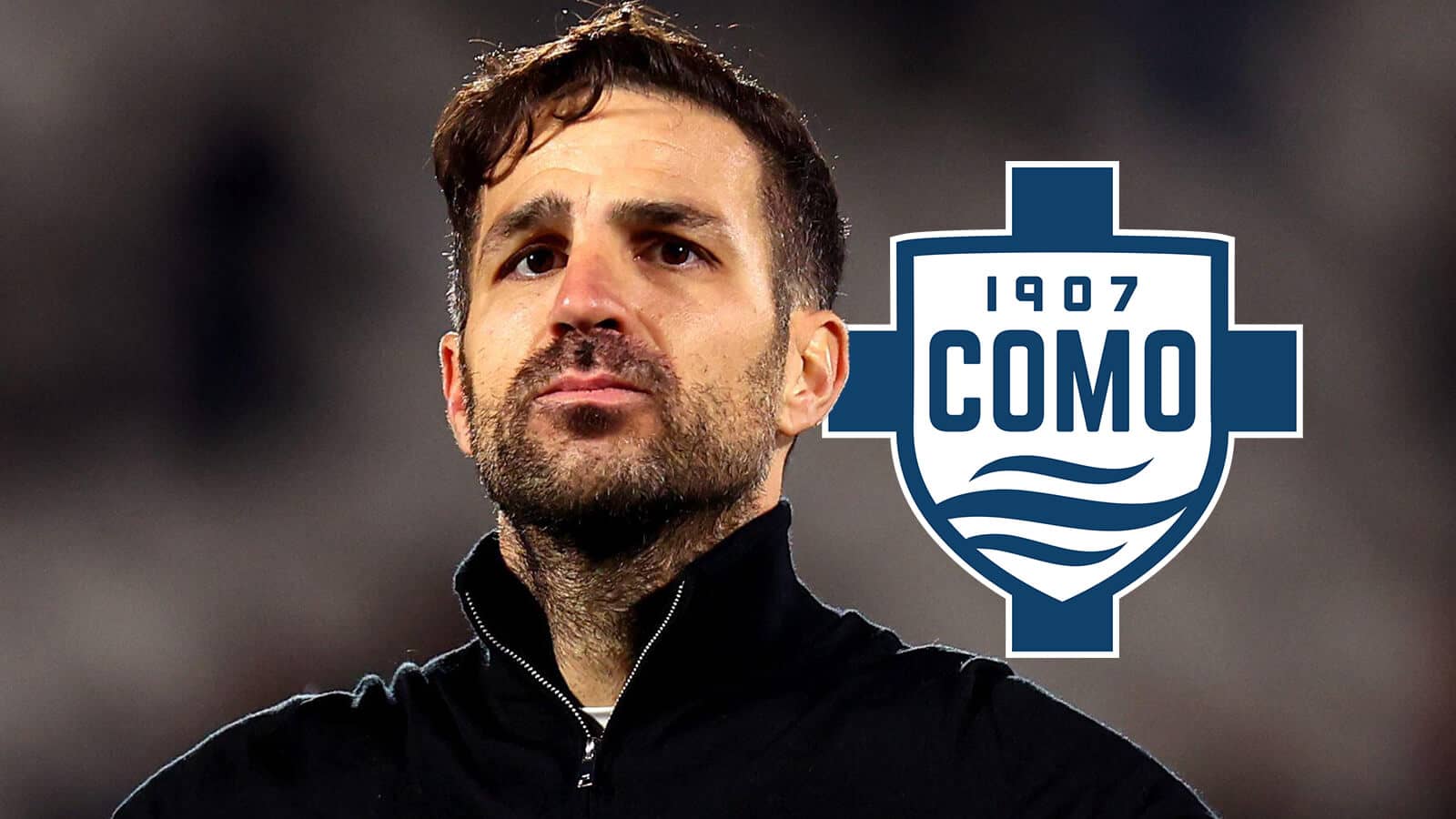
There's something undeniably compelling about Como's emergence as Serie A contenders. A club languishing in Italy's fourth division just seven years ago now sits sixth with European qualification already secured—a genuine feel-good story in a football landscape often dominated by the same old faces.
Except it isn't quite the Cinderella narrative the headlines suggest.
The Money Behind the Mirage
Strip away the romantic veneer and you find something rather different: serious financial muscle. Como's owners, Indonesia's Djarum Group—a tobacco conglomerate led by brothers Michael and Robert Budi Hartono—bring combined wealth of approximately $35.7 billion, according to Forbes. Michael Hartono passed away in March at 86. To put that in perspective: AC Milan's Gerry Cardinale is worth $1.8 billion, Roma's Dan Friedkin $10.9 billion, and Juventus' John Elkann $2.5 billion.
This wasn't a penniless outfit climbing the Italian pyramid through sheer grit. When the Hartono brothers acquired Como in 2019, the riches were already there. Thierry Henry holds a minority stake, as does Fabregas himself, but the trajectory from lower leagues to Serie A contention cannot be divorced from the financial firepower behind it.
Smart Spending, But Questionable Choices
To their credit, Como have invested intelligently. Their squad averages just 25.7 years old—the fourth youngest in Serie A—built largely around prospects with genuine potential. Nico Paz and Jacobo Ramon, both 21-year-old former Real Madrid prospects, have clocked the most minutes, alongside 23-year-old ex-Manchester City midfielder Maximo Perrone. Captain Lucas De Cunha, just 24, anchors the defence. Experienced heads like Sergi Roberto, Álvaro Morata, Alberto Moreno and Diego Carlos provide ballast.
Fabregas, now managing after his playing retirement at Como in 2023, has crafted something architecturally sound. Yet one statistic screams louder than any tactical masterclass: Como have handed Italian players a mere 14 minutes all season—two substitute appearances for 30-year-old centre-back Edoardo Goldaniga, one of only two Italians in the entire squad alongside 35-year-old goalkeeper Mauro Vigorito.
In a nation whose team failed to reach the World Cup for a third consecutive tournament, and where player development remains under intense scrutiny, this feels deliberately provocative.
The Fabregas Explanation
When pressed on the matter last summer, Fabregas offered a defence: "Six or seven Spaniards have arrived, but I personally, together with the director, have tried to bring in as many Italians as possible. I swear to you: we analysed, we saw which players we could bring in to raise the level of the team, even young ones, but it was an incredible effort. The top Italian player plays for Inter, for Juve, and this level is more difficult for us."
He continued: "It's difficult for the game we want to play. We can start talking about the youth sector, I don't talk much about mentality because I don't know the dynamics here at other clubs well, but we haven't found the right space to bring Italians into our environment. We hope to find them for the future, we continue to look. If you look at the Primavera, we're trying to push hard to bring in, invest in, and train 15-16-year-olds in our own way."
Acknowledging his familiarity with the Spanish market, he added: "I know the Spanish market much better, I feel confident because the Spanish talent right now, especially the players we're signing, is strong. There's so much potential there, but if I had to choose between an Italian and a Spaniard, I'd always go with the former, but we need to figure out how to find him or whether we need to train him for the future."
No club is obliged to develop Italian talent for the national team, but you'd struggle to find a team anywhere in Europe less reliant on homegrown players.
The Broader Context
A drop-off among traditional Serie A heavyweights has smoothed Como's path considerably. Nine teams that finished above them last season now have fewer points: Napoli by eight, Atalanta, Bologna and Lazio each by 13, and Fiorentina by 21. The door opened, and Como walked through it with an attractive, adaptable style that showcases Fabregas' coaching acumen.
Elsewhere, the club faced controversy over proposed fixtures in Australia before those plans were abandoned. In their eventual San Siro meeting, Como salvaged a draw—since followed by a four-game winning streak, only the third in their history.
Italian clubs have struggled in European competition this season: Napoli crashed out of the Champions League group stage, Juventus and Inter fell at the playoff stage, and Atalanta suffered a 6-1 first-leg hammering from Bayern Munich. Como's European bow could provide a refreshing alternative.
European Pedigree Already Present
Here's the thing though: they're hardly true European newcomers. Only six squad members have never appeared in Champions League, Europa League or Conference League football (including qualifying rounds), and half of those are backup goalkeepers. The experience is there, even if the household names aren't.
The Financial Fair Play Question
UEFA's Financial Fair Play regulations could present complications. Serie A lacks the Premier League's Profit & Sustainability Rules; scrutiny only arrives once European qualification is secured. Club president Mirwan Suwarso acknowledged the challenge in recent comments to La Gazzetta Dello Sport: "At the moment, we are €75m below the UEFA cap."
He defended the project's sustainability: "It's a club that in two years has gone from promotion to Serie A after more than 20 years to reaching Europe. However, revenues are growing significantly, which suggests that in two or three years we will be able to meet the FFP requirements. For teams entering Europe for the first time, or after a long time, such a margin is allowed."
Suwarso outlined the long-term vision: "We are still in a start-up phase. Everything we did in Serie B is no longer enough in Serie A. Every time you change division, you have to start from scratch, and we've already done that three times. The ownership is looking five or six years ahead."
Real Madrid's buyback clauses for Paz and Ramon could inject fresh funds—Paz's activation appears inevitable, whilst Ramon's grows increasingly likely. Both carry below-market valuations, though.
The Uncomfortable Truth
Como have engineered something genuinely impressive. They've built a coherent squad, attracted a respected manager, and navigated their way into European football. But they've also posted the biggest net spend in Serie A this season—indeed, their outlay across the past two transfer windows exceeds the second-biggest spender's by more than double.
This is no rags-to-riches fairytale. It's a well-funded, strategically assembled project that's executed its blueprint effectively. The miracle narrative makes for better copy, but the reality is rather more prosaic: money, smart recruitment, and favourable circumstances have combined to create something remarkable—but not miraculous.
Compare options