Wenger's "Financial Doping" Vindicated as Chelsea Asterisk Debate Rages
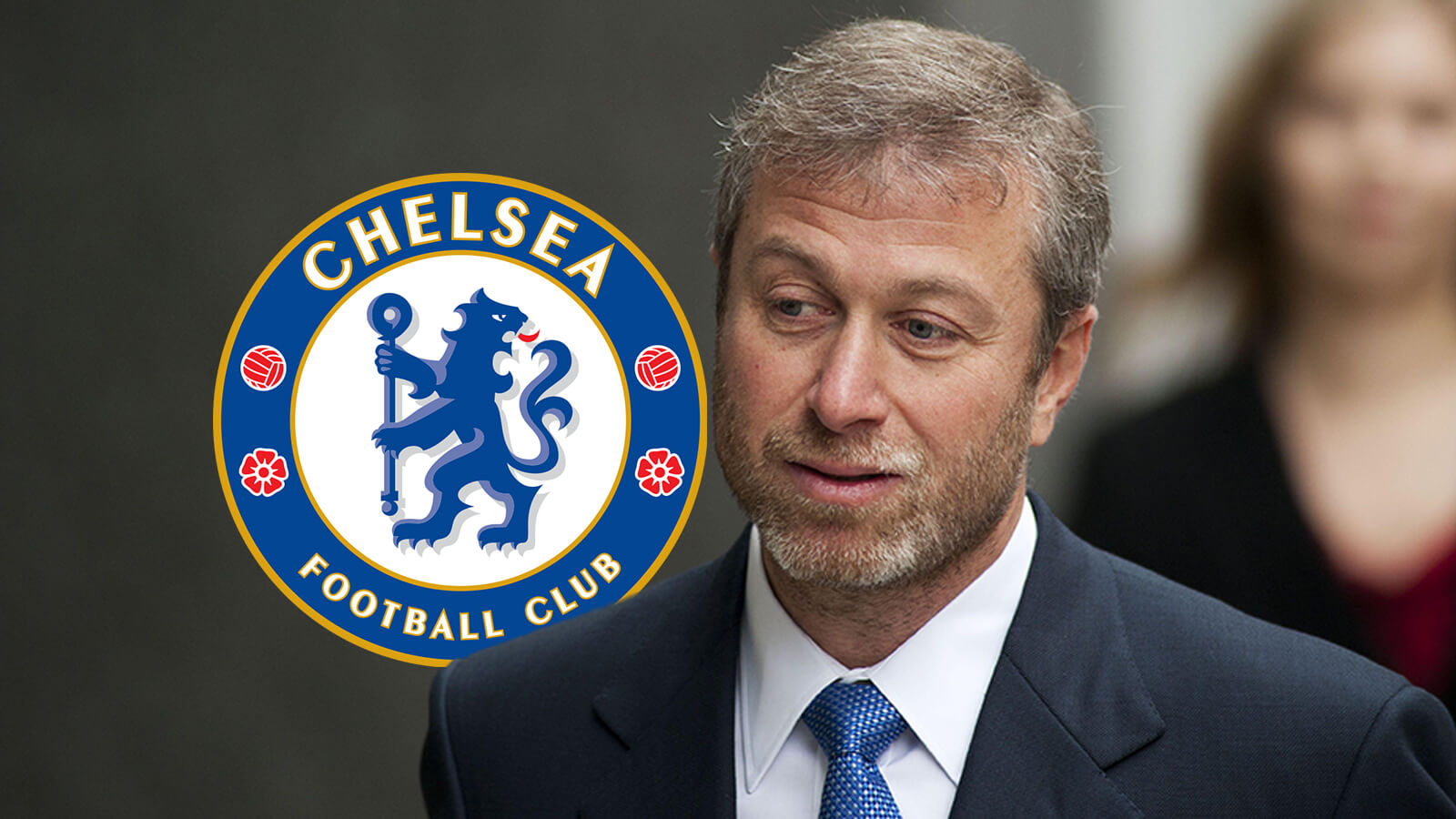
The chickens have come home to roost at Stamford Bridge. After years of suspicion, Arsène Wenger's prescient warnings about Chelsea's murky financial dealings during the Abramovich era have been thoroughly vindicated.
The club's recent £10.75m fine for secret player payments hasn't just confirmed what many suspected—it's reopened a thorny question: should Chelsea's trophy haul between 2011 and 2018 come with a disclaimer?
Wenger's masterstroke was dubbing the arrangement "financial doping" back when Abramovich first arrived. At the time, openly questioning Russian oligarch money would have invited a battering from his legal team. But eight years on, the accusation rings prophetic. The revelation that Chelsea concealed roughly £47m in payments—money that, in the early 2000s, represented the bulk of what Abramovich paid for the entire club, stadium included—paints a picture of systematic financial engineering.
The current Chelsea ownership deserves credit for their pragmatism. By setting aside a £150m holdback when purchasing the club, they've insulated themselves from the fallout. The fine has been absorbed without denting the playing side. It's corporate chess played at the highest level—ruthlessly effective risk management that shields the investment from contamination.
But here's the rub: the punishment barely qualifies as a slap on the wrist. A £10.75m fine for essentially buying titles through the back door? For context, that's less than what a mid-table striker costs in 2026. The lack of meaningful consequences raises uncomfortable questions about accountability in modern football.
The asterisk argument isn't without precedent. When Senegal faced sanctions following the Africa Cup of Nations, the conversation shifted. Marseille's 1993 Champions League triumph carries an asterisk in most serious discussions thanks to match-fixing allegations. Juventus's 2004-05 and 2005-06 Serie A titles remain tainted despite the club's subsequent relegation.
Chelsea's trophies shouldn't necessarily be handed to runners-up—that's tabloid nonsense. But future generations deserve to know the full story. The undisclosed payments represent the visible tip of an iceberg. Given what's publicly known about Abramovich's other entanglements and ethical boundaries, assuming this was the extent of the financial chicanery would be naive.
The uncomfortable truth is that football's rulebook has been written by those with the deepest pockets. When you're operating at Abramovich's level of wealth, different rules apply—or rather, different interpretations of the same rules. The fine suggests wrongdoing. The minimal consequences suggest the system isn't equipped to punish it adequately.
Wenger's prescience deserves acknowledgment. He saw what was happening and called it by its proper name, consequences be damned. Now that the evidence is public, perhaps it's time to ensure the record reflects reality.
Compare options