Maresca Never Spoke to Garnacho Before £40m Deal; Medical Disputes Revealed as Real Bone of Contention
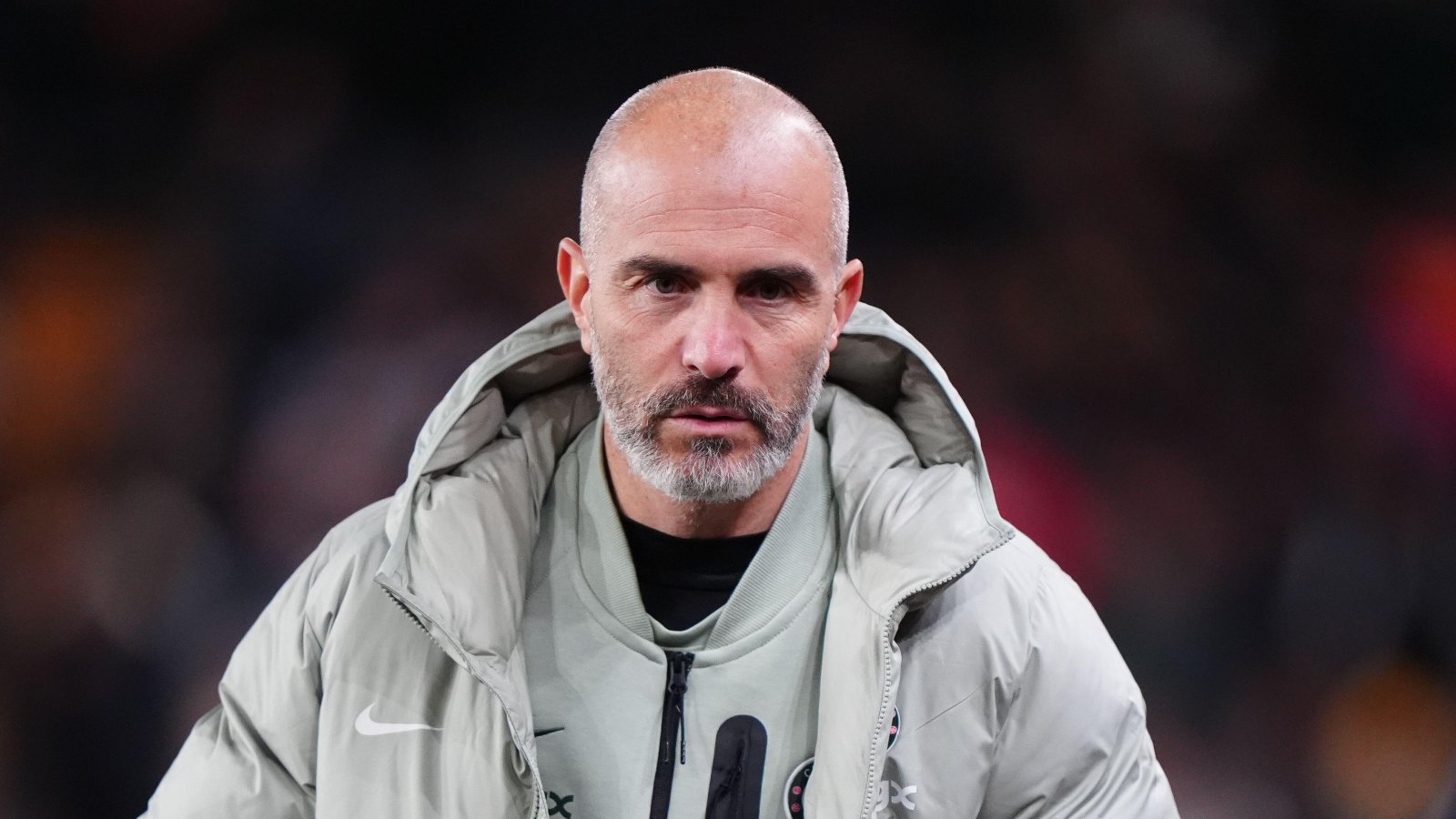
Chelsea's decision to part ways with Enzo Maresca on Thursday morning came as little surprise given the club's alarming form—just one win in their last seven Premier League outings—and a relationship with the board that had deteriorated beyond repair.
The manager had grown increasingly vocal in his criticism of the club's hierarchy, publicly questioning their level of support whilst simultaneously finding himself linked with a move to Manchester City as a potential successor to Pep Guardiola. The writing was on the wall.
Fresh details now paint a picture of precisely how Maresca's tenure unravelled. The Daily Mail's investigation confirms that the head coach's remit was fundamentally about working with the squad at his disposal rather than orchestrating recruitment drives himself.
Yet here's the curious bit: Maresca never actually sat down with Alejandro Garnacho before the Argentine winger's £40m arrival from Manchester United materialised. Despite this apparent disconnect, Garnacho has proven to be one of Chelsea's standout performers this campaign. The transfer was presented to Maresca for his blessing, which he duly granted—suggesting the manager harboured no real grievance about the acquisition itself.
So where did things genuinely sour? Not over signings, it turns out. Maresca's "greatest gripe," according to the report, centred on what he himself described as his "worst 48 hours" at Stamford Bridge—and the culprit wasn't the club's ownership, sporting directors, or recruitment specialists, all of whom maintained regular contact with the dressing room.
The flashpoint was medical protocol. Before each match, Maresca received briefings detailing how many minutes individual players could safely manage during their recovery from injury. He might be told, for instance, that Reece James could handle 45 minutes maximum—leaving the decision of whether to deploy his captain in the first or second half entirely to the manager.
The problem? Maresca didn't consistently follow that guidance. On occasions, he pushed players beyond the parameters recommended by the medical department, potentially exposing them to re-injury risk. That approach did not sit well internally, creating friction that ultimately contributed to his downfall.
Compare options