Chelsea's Expensive Squad Struggles But Edges Past Wrexham in FA Cup Battle
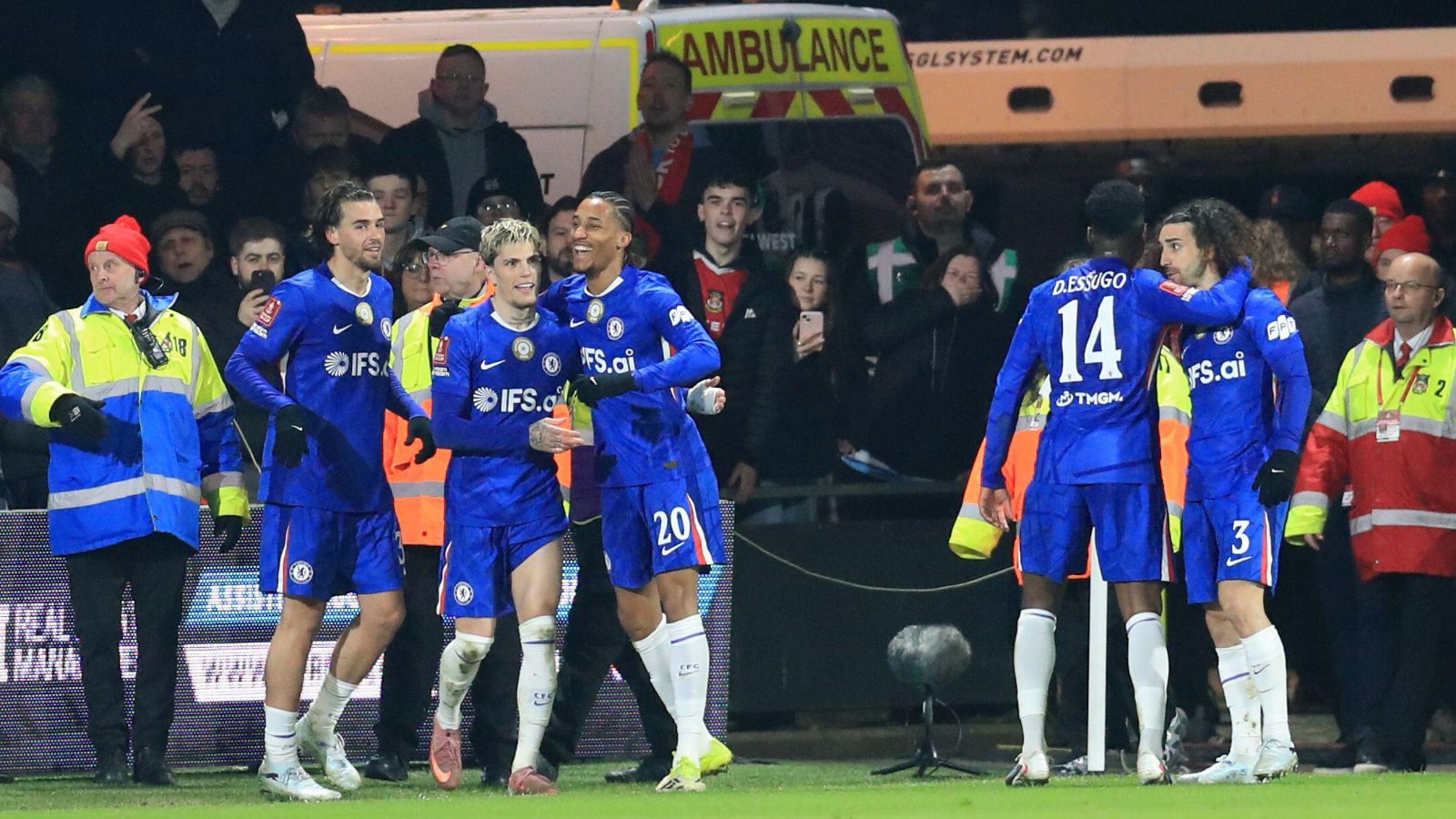
Alan Shearer's repeated invocations of a "proper FA Cup tie" during Chelsea's clash with Wrexham proved oddly prescient—though whether that's a compliment to the competition or an indictment of the Blues' bloated squad remains debatable.
The BBC's half-time segment certainly embraced the occasion, treating viewers to a cosy chat with Wrexham executive director Humphrey Kerr. Micah Richards' probing interrogation consisted largely of admiring his attire, though Rob McElhenney's noticeably sparse wardrobe for a March evening in North Wales suggested the Hollywood contingent hadn't fully grasped Welsh weather protocols.
Chelsea's path to the quarter-finals masks a troubling reality: their £1.5 billion spending spree has yielded remarkably little. The starting lineup fielded at the Racecourse would struggle to escape the bottom half elsewhere, yet somehow remained capable of dismantling second-tier opposition like Ajax or Juventus.
Tosin Adarabioyo epitomises the free-transfer paradox—a signing that somehow feels like poor business. Romeo Lavia's rustiness was palpable, while Liam Delap continued his frustrating pattern of squandered moments. The young forward carries an almost supernatural Evertonianness that Kiernan Dewsbury-Hall would recognise instantly.
Robert Sanchez's hesitation between the sticks proved costly. Wayne Rooney rightly identified the goalkeeper's failure to sweep up as Sam Smith opened the scoring, noting he needed to "come and clear it up" decisively. Ten minutes later, Sanchez again retreated as Smith broke through, and a second-half pass to Lavia betrayed further uncertainty. If supporters can spot these limitations, why can't the decision-makers at Stamford Bridge?
Chelsea's possession-based approach allowed Wrexham to maintain shape comfortably through the first half, leaving the Blues fortunate to reach half-time level.
Pedro Neto's decision-making remains maddening, yet he posed the greatest threat when carrying the ball. Alejandro Garnacho, predictably divisive, nevertheless possesses an uncanny ability to manufacture opportunities. His deflected shot via Arthur Okonkwo levelled matters, before his extra-time strike nudged Chelsea ahead.
Joao Pedro's 120th-minute finish provided the evening's genuinely elite moment—a composed strike that justified the "world-class" tag, even if the phrase has been rendered nearly meaningless through overuse.
Josh Acheampong's transformation into prime Ronaldo for Chelsea's equaliser deserves special mention, a rocket that threatened to escape the Racecourse entirely before the roof intervened.
Chelsea's cup pedigree since 2003 remains formidable, with a relentless semi-final and final presence. They'll trouble any opponent moving forward.
Yet watching the Blues frequently leaves observers asking: "Is that genuinely it?" They didn't perform well here, but they found a way—which, admittedly, is what champions do.
The nagging question persists: might Chelsea have built something more coherent by nurturing Cobham's graduates rather than fattening them for market sale? Such an approach might even have earned them some BBC boosterism.
Compare options