Carrick's Credentials Strengthen as United Fans Rally to His Defence

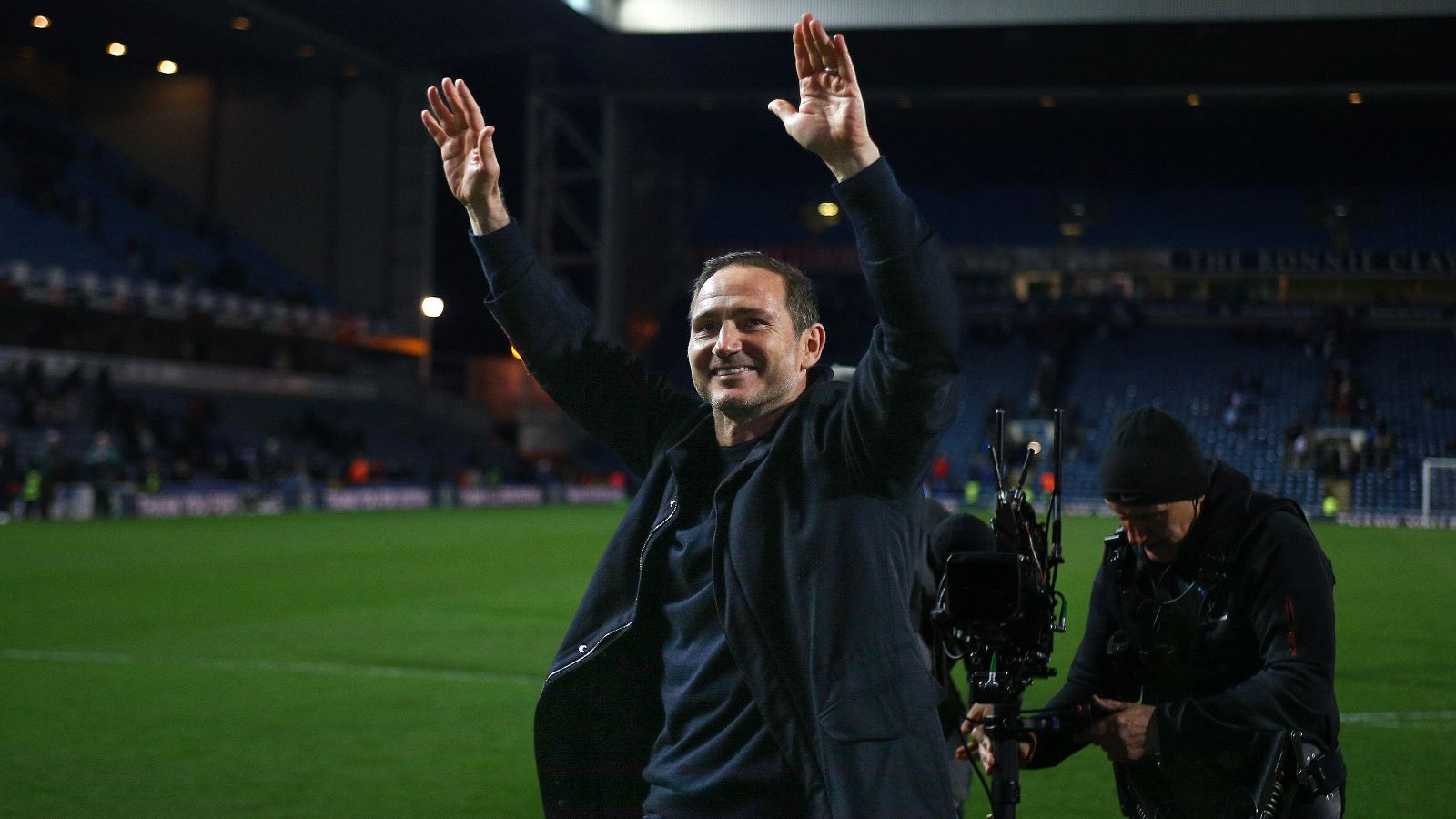
The interim boss is climbing the ranks at Old Trafford, and his supporters are having none of the "vibes merchant" jibes that have dogged the narrative around his tenure.
Carrick's stock is rising for one straightforward reason: United are winning matches. Yet the conversation persists that his success amounts to little more than a comforting reminder of bygone glories. One correspondent from Dublin cuts through the nonsense with admirable clarity: a football manager's primary function is to win games. Full stop. That's the job. Whether it works long-term remains to be seen, but dismissing his achievements as mere emotional comfort for supporters and players is simply inaccurate.
The counter-argument carries weight too. With Tuchel and Ancelotti having extended their deals, and Luis Enrique seemingly impossible to prise from PSG, the pool of genuinely elite alternatives has shrunk considerably. Candidates like Iraola, Nagelsmann, or Glasner all represent calculated gambles. Should any of them stumble out of the blocks, the immediate chorus will be: "They should have backed Carrick." That's the trap inherent in running an interim for an extended period. If he performs adequately, you're obliged to make it permanent—or risk poisoning the well for whoever comes next.
The sensible approach? Wait until late April. Let the club determine which other targets would actually accept the job and whether they're genuinely superior to what's already in place. With recruitment apparently improving, Carrick might prove a sounder bet than the alternatives.
The Finance Lesson Nobody Seems to Grasp
Considerable mailbox real estate this week has been devoted to explaining the difference between debt and loss—a distinction that apparently requires spelling out. Debt is the lifeblood of modern corporate operations; 18 of 20 Premier League clubs carry net debt. The issue isn't that United are in debt; it's why they're in debt.
The Glazers acquired the club via leveraged buyout when it was debt-free. Since then, they've extracted over £1.2 billion in cash between 2025 and 2026 whilst servicing interest payments year after year. That's the genuine scandal. United simultaneously turned a £30 million profit whilst their recruitment has been chaotic—a feat that would seem impossible were the finances not so fundamentally warped by the ownership structure.
Proper Financial Fair Play regulations would have prevented such a takeover occurring in the first place. The irony? United's debt, however burdensome, has actually constrained spending relative to what the club's actual earning power would otherwise allow. Rival supporters should arguably be grateful for it—otherwise United's transfer kitty would be stratospheric.
Jim Ratcliffe's culling of the bloated backroom staff—the largest in the league by a considerable distance—represents pragmatic housekeeping rather than recklessness. Removing 450 jobs at an average salary of £60,000 generates savings of £27 million before factoring in perks and higher earners. That's meaningful money, and none of those positions made a discernible difference to how the team functions. The club still maintains the league's largest staff complement, so there's further pruning possible.
When Referees Become the Story
The refereeing inconsistency debate has reached fever pitch, and with good reason. When Aston Villa visited Tottenham in the FA Cup, a late challenge on Matty Cash went unpunished—not even a foul—whilst Kamara's felling by Paulinha was whistled but produced no yellow. The subsequent explanation from punditry's wise men? The referee was "letting the game breathe."
This phrase—used infamously by Phil Dowd to justify not sending off Vidic for denying an obvious goal-scoring opportunity in the 2010 League Cup Final—reveals how officials have come to see themselves. They're not functionaries applying the laws; they're guardians sculpting the spectacle. The consequences are tangible: Kamara's injury could cost Villa a Champions League place worth millions, yet we're meant to accept it because the referee required artistic licence.
The laws should apply uniformly. A yellow card in the first minute should carry the same threshold as one in the 90th. A foul on the halfway line should be a foul in the box. Yet we observe wildly different standards depending on context: attackers requiring near-lethal contact to earn penalties, whilst defenders get away with wrestling at corners and set pieces. Gabriel's slight touch earns a penalty, yet Tammy Abraham takes a two-handed shove to the chest without recourse. Buendia gets barged in the back at Bournemouth, nothing given.
Villa have been awarded zero league penalties this season. Coincidence? Hardly. The officials have constructed an invisible threshold that simply doesn't exist in the rulebook, then apply it selectively. PGMOL's role is to apply the laws consistently and fairly. Nothing else. If they genuinely see themselves as something grander, the game is in serious trouble.
The Set-Piece Chaos Requires Governing
The modern corner has devolved into organised chaos—a mêlée where attacking players deliberately obstruct goalkeepers rather than attempting to play the ball. One former goalkeeper offers a thoughtful solution: establish a buffer zone around the keeper's starting position.
The logic is sound. Goalkeepers possess a natural competitive advantage through their hands, so attacking coaches have responded by sacrificing players to neutralise that advantage through obstruction. Yet these players aren't engaging with the ball; they're engaging with the man—deliberate obstruction, theoretically a punishable offence.
A one-metre exclusion zone within the six-yard box, policed through common sense rather than VAR forensics, could shift the balance. Attackers would need to respect the goalkeeper's starting position for set pieces. The consequence? Teams might reduce their reliance on set-piece-focused football and place greater emphasis on open play, potentially improving the spectacle.
This needn't apply everywhere—the offside rule limits its practical application to corners, near-goal free-kicks, and long throws—but it represents a sensible starting point. The alternative is watching increasingly cynical obstruction become the norm, with officials shrugging and calling it "part of the game."
One final note: retrospective action for players feigning head injuries would also be welcome.
Compare options