Can Carrick Succeed Where Others Have Faltered? Manchester United's Caretaker Gamble
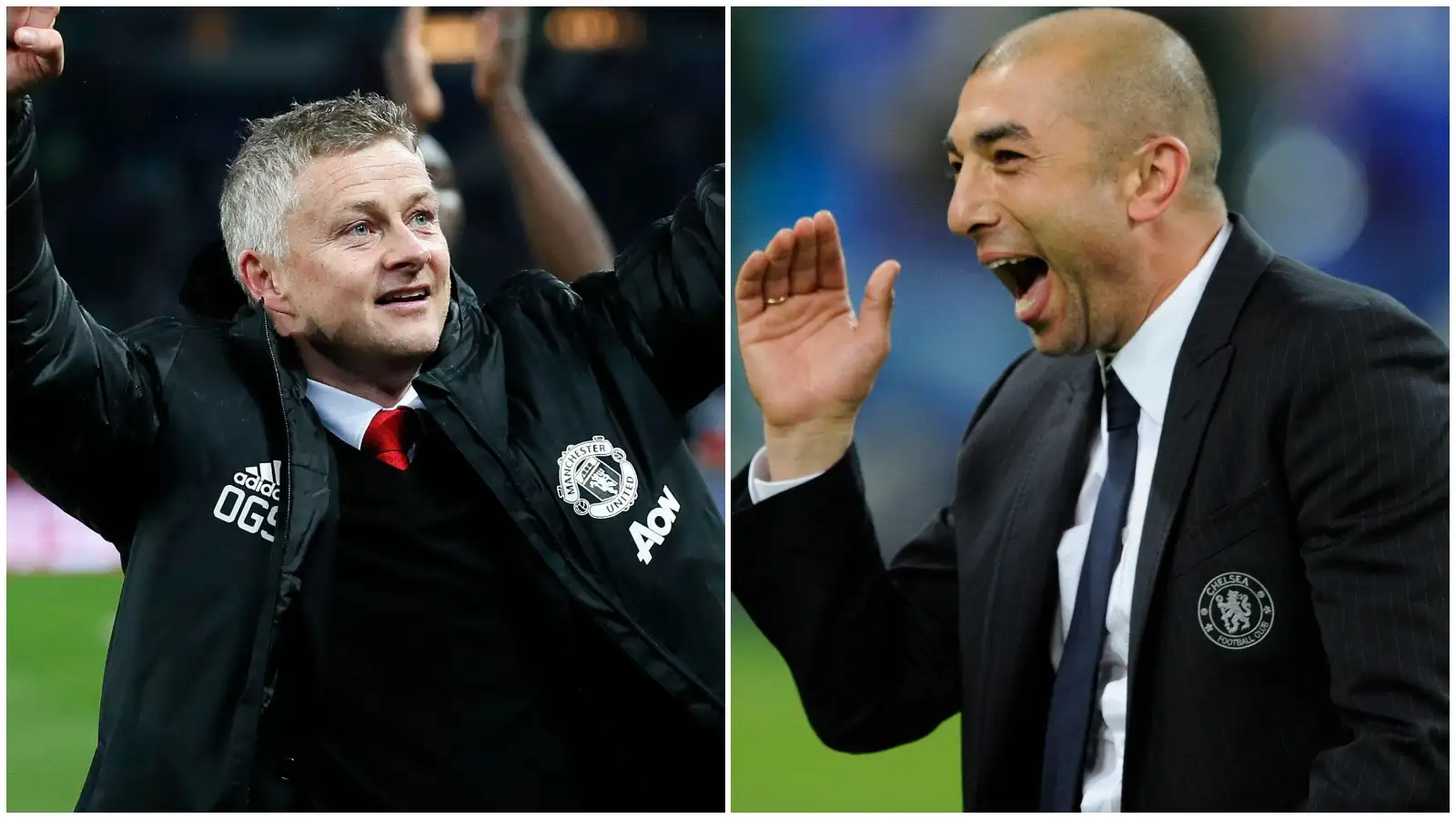
Manchester United appear set to hand the reins to Michael Carrick rather than revisit the Solskjaer experiment, marking a curious choice given the Norwegian's track record in the hotseat.
When Jose Mourinho's tenure imploded in December 2018, few expected Solskjaer to be anything more than a short-term fix. His managerial CV was modest at best—a couple of stints managing Molde interrupted by a disastrous spell at Cardiff. Yet what United required wasn't sophisticated tactical nous. They needed morale-boosting, optimism, and endless invocations of 1999 to wash away the Mourinho malaise.
The formula worked spectacularly. An unbeaten run of twelve Premier League matches—ten wins among them—culminated in that unforgettable night in Paris when United turned over PSG in the Champions League knockout stages. The euphoria proved intoxicating enough for the board to hand Solskjaer a three-year deal. At the time, it felt vindicated.
Then reality reasserted itself with brutal efficiency. The squad switched off, winning just two of their final dozen games. Two full seasons brought respectable finishes—third and second—yet Solskjaer never quite convinced the sceptics he belonged at such an elite institution. His third campaign proved a catastrophe, culminating in the sack after a humiliating defeat at Watford left United languishing in eighth. Ralf Rangnick arrived next, though the players showed about as much commitment to his methods as a teenager to homework.
Solskjaer's previous success notwithstanding, United have opted for Carrick instead. History, however, suggests caution is warranted.
Roberto di Matteo's European Dream
Chelsea were hardly in meltdown when Andre Villas-Boas departed in March 2012. Fifth in the league, three points adrift of the top four, the club remained alive in two other competitions. Yet panic seized Roman Abramovich's empire regardless.
Di Matteo, Villas-Boas's number two, was thrust into the breach and immediately caught fire. Four straight wins included a breathtaking 4-1 demolition of Napoli in the Champions League last-16 second leg, followed by a rout of Leicester in the FA Cup quarters. Tottenham fell 5-1 in the semis; Liverpool succumbed 2-1 in the final.
But the FA Cup was merely the appetiser. After dispatching Benfica in the quarters, Chelsea achieved the seemingly impossible: Barcelona were beaten in a semi-final so audacious it bordered on obscene. Bayern Munich proved no match for the Di Matteo tide. From caretaker to continental conqueror in a matter of months—18 years on from his West Brom sacking.
Chelsea handed him the job permanently that summer. He lasted fewer than three months.
Tony Barton's Impossible Act
Di Matteo was merely following Tony Barton's blueprint. In February 1982, with Aston Villa's title-winning squad crumbling, the former chief scout took temporary charge. Within weeks, he was given the job full-time.
Villa's league position barely improved—they climbed from 17th to 11th—but Europe became Barton's canvas. By the time Dynamo Kiev fell in the quarter-finals, his permanence was assured. Two weeks later came the three-year contract.
The best was yet to come. Tony Morley terrorised Anderlecht in the semis before Peter Withe's header in Rotterdam inflicted Bayern's first-ever European Cup final defeat. A manager who'd begun the season with zero first-team coaching experience had ended it as a European conqueror.
Villa couldn't sustain it. Sixth the following year, tenth in 1983/84, Barton was dismissed. The club itself spiralled into the abyss shortly after.
Glenn Roeder's Newcastle Reprieve
Newcastle were drowning in February 2006 when Graeme Souness was jettisoned. The Scot had apparently identified a 12-year-old Paul Pogba as the root of all evil.
Glenn Roeder, an unassuming appointment, took over with a mandate to restore pride to St James' Park. An unbeaten start stuttered in March with three consecutive defeats, yet a late surge—six wins in seven—saw Newcastle finish seventh. Roeder won ten of fifteen league matches compared to Souness's seven from twenty-three.
Permanent employment followed. So did swift dismissal.
Guus Hiddink's Reliable Hands
Chelsea's caretaker tradition boasts a more reliable entry. One year after Di Matteo's European triumph, Rafael Benitez won the Europa League. They bookended Guus Hiddink's two stints.
In 2009, with the club adrift in fourth, Hiddink arrived following Luiz Felipe Scolari's exit. Chelsea finished third, won the FA Cup, and endured a "f***ing disgraceful" Champions League semi-final capitulation to Barcelona.
His 2015 return proved equally transformative. Taking over when Chelsea sat just one point above the relegation zone, Hiddink hauled them to mid-table safety. Across 49 games in all competitions, he won 26 and lost seven. His 12-game Premier League unbeaten streak in 2015/16 remains a club record.
Kenny Dalglish's Merseyside Mirage
Liverpool's caretaker history reads differently. Roy Hodgson had left the club in freefall by January 2011—twelfth in the table, having lost to Northampton Town and publicly fretting about relegation. Kenny Dalglish, the Anfield legend, returned to management for the first time in thirteen years.
After losing the opening two matches, Liverpool embarked on an eight-game unbeaten run. A 3-1 hammering of Manchester United—assisted by the most farcical hat-trick the Premier League has witnessed—saw them finish sixth. Dalglish was rewarded with a three-year contract that May.
His permanent tenure proved far less memorable. Sacked after one full season, his reign encompassed two cup finals, an eighth-place finish, and an indefensible defence of racist conduct from one of his players.
The pattern is clear: caretaker success rarely translates to long-term glory. Carrick's appointment carries genuine risk.
Compare options