Carrick Edges Out Solskjaer in United Manager Race: How Ferguson's Influence and Coaching Credentials Proved Decisive
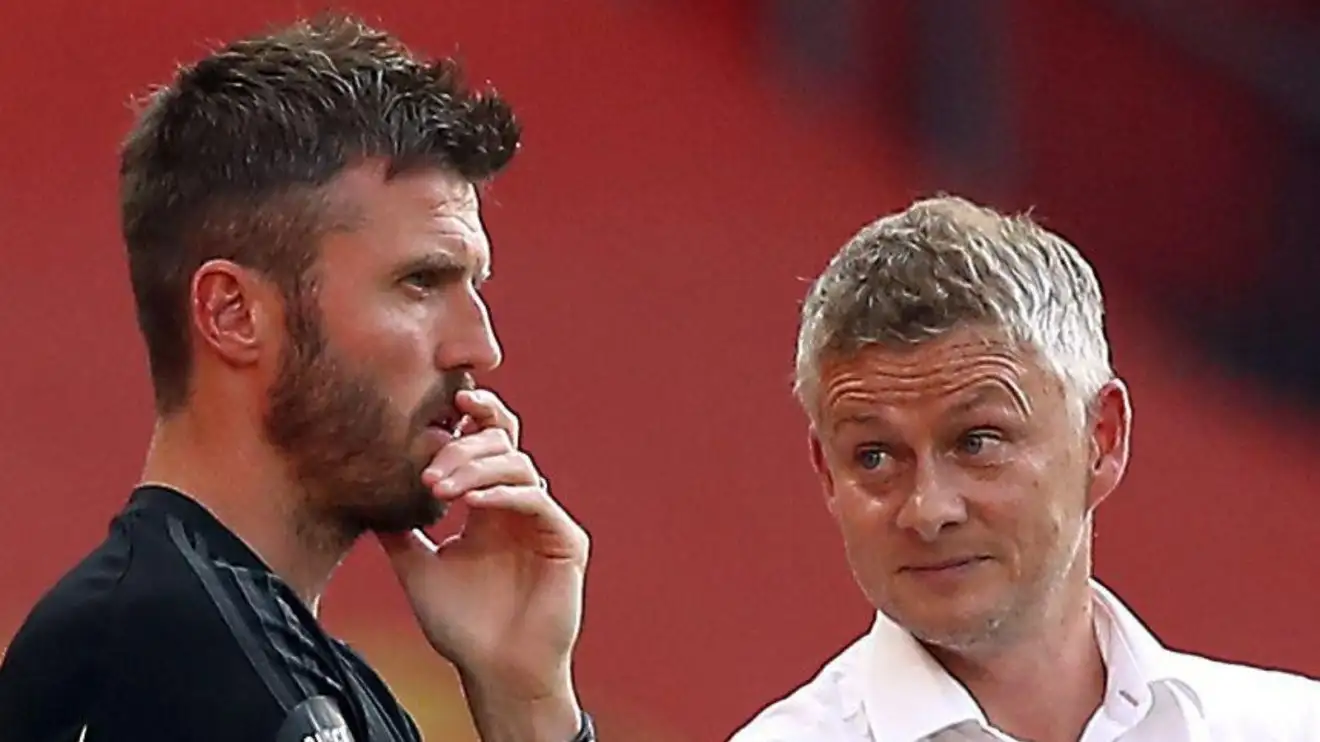
Michael Carrick has landed the Manchester United managerial role on a contract through to the end of the season, emerging victorious from a tightly-contested battle with Ole Gunnar Solskjaer following Ruben Amorim's dismissal earlier this month.
The selection process moved swiftly, with director of football Jason Wilcox initiating phone contact with both candidates on Tuesday before conducting in-person interviews with Carrick and Solskjaer on Thursday and Saturday respectively. Ruud van Nistelrooy underwent a telephone discussion and subsequently declined the opportunity. All three impressed the decision-makers, though Carrick ultimately emerged as the consensus pick.
Ferguson's Behind-the-Scenes Role
Sir Alex Ferguson played a notable part in shaping the outcome from the outset. Two days after Amorim's departure, Wilcox and chief executive Omar Berrada convened a breakfast meeting with Ferguson to discuss the three shortlisted candidates – all former players under his management. The club's hierarchy sought his perspective given his intimate knowledge of each candidate, though uncertainty remains about whether Ferguson explicitly endorsed Carrick as his preferred option. Nevertheless, he is understood to have been wholly supportive of Carrick's eventual appointment, with some reports suggesting he actively favoured the former midfielder's candidacy over Solskjaer's.
The Coaching Difference
A recurring theme throughout the decision-making process centred on Carrick's distinctly more "hands-on" coaching approach compared to Solskjaer's more general, motivational style. While Solskjaer's ability to inspire a squad desperately requiring a morale boost initially held appeal, Carrick's superior tactical expertise and coaching acumen ultimately proved more persuasive. His track record at Middlesbrough, where he collaborated closely with head of football Kieran Scott, demonstrated his willingness to operate effectively within established club structures – a quality clearly valued by United's hierarchy.
Carrick's existing familiarity with the current playing squad represented another advantage. He possesses a detailed understanding of the available personnel, whereas Solskjaer's knowledge had become considerably dated. Reports suggest Carrick outlined a compelling tactical vision for the remainder of the campaign, including a potential switch to a 4-2-3-1 formation, having previously overseen a transition away from Chris Wilder's three-at-the-back system at the Riverside.
Where Solskjaer Stumbled
Solskjaer's candidacy faced considerable headwinds. His preference for a long-term permanent arrangement rather than a short-term caretaker role appeared to misalign with United's thinking. His three-year tenure at Old Trafford – ultimately ending in disappointment – counted as much against him as for him.
The composition of his proposed backroom staff presented another stumbling block. His previous assistants at United were Carrick and current Ipswich manager Kieran McKenna, neither willing to support him in a managerial capacity this time. This mattered considerably, given that Carrick and McKenna had shouldered substantial coaching responsibilities throughout Solskjaer's reign.
Furthermore, Ineos decision-makers felt Carrick possessed more relevant recent dugout experience. Solskjaer's only spell since departing Old Trafford in November 2021 came at Besiktas, a seven-month stint that ended with his sacking in August – hardly the kind of experience needed to stabilise a struggling operation.
The Campaign That Wasn't
Reports circulated suggesting a coordinated effort to promote Solskjaer's candidacy through press and social media channels. However, the Norwegian himself remained "baffled" by such suggestions, having not been formally approached for the position when these narratives emerged. He believed he retained backing from Wilcox and Berrada but felt less support from the Glazer family and Jim Ratcliffe. United's ownership insists they never challenged Wilcox's recommendation for Carrick – hardly surprising given his previous managerial appointment had lasted just 14 months and cost hundreds of millions in transfer spending.
When informed of the decision on Tuesday, Solskjaer reportedly accepted the outcome with grace, remaining fully supportive of Carrick's appointment. He even managed to carve out time during the selection process to catch a film at the cinema.
Eyeing the Summer
The question of who will replace Carrick next summer remains open. The current list of potential candidates ranges from uninspiring to frankly unlikely. There is an expectation that the summer transfer window will yield more attractive options once the World Cup concludes and international coaches become available following tournament disappointments.
Thomas Tuchel has featured prominently in discussions, with the German believed to be seeking a fresh challenge following the World Cup, though convincing him to join may prove difficult. Other names in circulation include Oliver Glasner, Carlo Ancelotti, Luis Enrique, and Marco Silva.
Notably, the club has insisted that Steve Holland's arrival as part of Carrick's backroom team is not a precursor to appointing Gareth Southgate, despite Holland being suggested by United as someone capable of supporting Carrick through this demanding role.
Compare options