Arsenal's Wembley Meekness: How City's O'Reilly Proved Too Clever for Gunners' Cup Final Ambitions
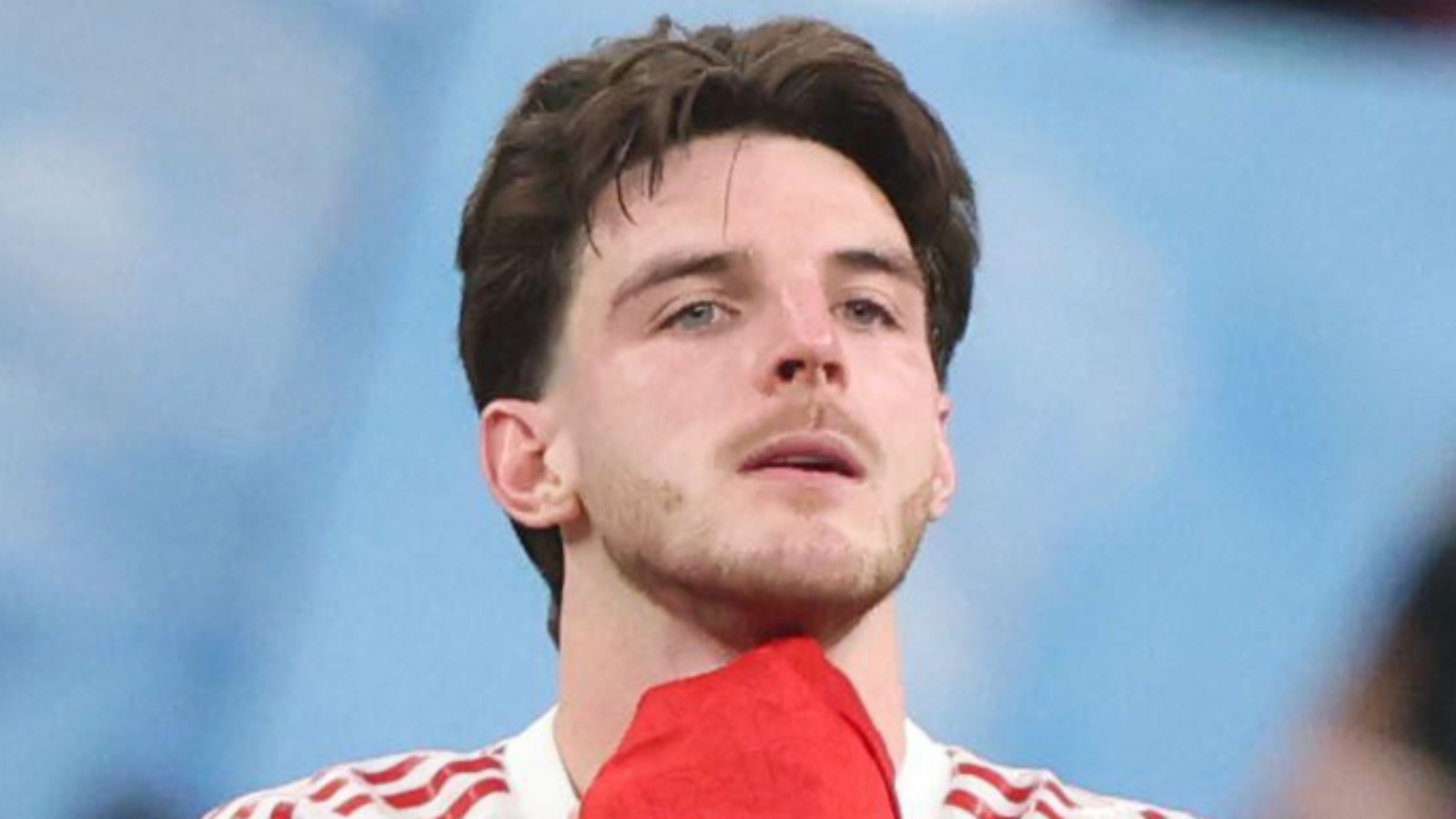
Manchester City have finally ended their trophy drought with a commanding Carabao Cup final victory over Arsenal, courtesy of Nico O'Reilly's two-goal masterclass at Wembley. It marks City's first silverware of genuine consequence since lifting the Club World Cup in 2023, while Arsenal's defeat raises uncomfortable questions about their ability to perform when the stakes matter most.
The narrative weight attached to this fixture has always been peculiar—simultaneously trivial and momentous depending entirely on the outcome. For Arsenal, chasing a potential Quadruple, victory would have been painted as the springboard to greater things. Defeat, conversely, threatens to become the first chapter in a generation-defining collapse. The next few weeks will reveal whether this squad possesses the mettle of Michael Ballack's vintage or whether they've merely been victims of outcome bias. Either way, the international break offers plenty of time for this disappointment to fester.
For Manchester City, the significance is more straightforward. A nine-point gap to Arsenal in the Premier League suddenly feels less insurmountable. This wasn't merely a trophy-clinching performance—it was a statement of intent, the kind of display that could form the basis of Guardiola's next era of dominance. City would still rather be in Arsenal's position, but this victory was precisely the tonic they needed.
What struck most observers was the manner of Arsenal's collapse. They didn't lose narrowly after a gallant effort; they simply vanished, particularly in the second half. Gary Neville's assessment proved accurate—the Gunners "shrunk" when the occasion demanded their biggest presence. Having reacted to every previous defeat this season with an immediate victory, how they respond after this particular humbling will prove instructive for the remainder of the campaign.
Arsenal's record in knockout football since the start of 2023/24 tells a damning story: eight defeats by more than a single goal, with five of those coming in domestic cup competitions. The attrition-based approach that serves them so well in the league simply doesn't translate to one-off contests. Their Champions League and FA Cup prospects suddenly warrant serious scrutiny.
The Gunners' best opportunities all arrived within two seconds of each other in the opening period. Benjamin White's poor touch inadvertently exposed Manchester City's defence, allowing Kai Havertz to receive possession and Bukayo Saka to follow up. James Trafford, the much-maligned deputy goalkeeper given his moment in the sun, proved equal to the task, smothering each attempt with admirable composure. The Manchester City number two has endured a difficult season, but this performance—capped by a trophy-winning display—represents a fine vindication of his patience. He remains comfortably the Premier League's best second-choice keeper, and a decision regarding his future will demand attention come summer.
Arsenal's inability to maintain pressure proved their undoing. Beyond Havertz's early chances and a Riccardo Calafiori free-kick header that Trafford saved with ease, the Gunners offered precious little in terms of attacking invention. Mikel Arteta's pre-match demand to "attack the trophy" went conspicuously unheeded.
The Kepa question will inevitably dominate post-match discourse, though the decision to start him deserves defending. Both managers entrusted the deputies who had shepherded them to the final—a time-honoured Carabao tradition. Yet the Spaniard's curse in this competition persisted. His most glaring error came ten minutes before conceding, when he was booked for a horrendous misjudgement of a Matheus Nunes long ball, leaving him stranded outside his area as Jeremy Doku's presence created genuine danger. Later, he allowed Rayan Cherki's cross to slip through his grasp. Perhaps Kepa should be permanently barred from English football's drinks-based tournaments for his own wellbeing.
Jeremy Doku proved a constant menace throughout, completing six dribbles—at least twice as many as any other player on the pitch. His tireless running troubled Arsenal repeatedly, particularly in the build-up to O'Reilly's second goal. Yet even Doku was outshone by Rayan Cherki, who delivered the most entertaining performance of the afternoon. The Frenchman's audacious keepie-uppies drew disapproval from the touchline and retribution from Benjamin White, though accusations of arrogance seemed curious given the broader appetite for entertainment in modern football.
By contrast, Arsenal completed just three dribbles across the entire match, two of which came from substitutes introduced in the 66th minute. That lack of dynamism proved crippling.
Bernardo Silva orchestrated Manchester City's midfield control with customary efficiency, racking up three play-disrupting fouls in the opening half hour alone. His cynical prevention of a Bukayo Saka counter-attack somehow escaped the referee's notice—a masterclass in gamesmanship from a player who has appeared in at least 68 more matches than any teammate under Guardiola.
Rodri delivered his best performance since returning from injury, with his reverse pass for Matheus Nunes to set up O'Reilly's second goal exemplifying the sublime simplicity only a truly elite midfielder can provide. The Spanish international's positioning proved decisive even in Arsenal's final attack of the game, his intelligent intervention ensuring the Gunners never mounted a late flourish.
O'Reilly himself has been a quiet revelation since properly establishing himself less than a year ago. A player making his first Premier League start last April has scarcely disappeared from the picture since, with only Erling Haaland receiving more minutes as a Manchester City player this season. At just 21, the versatile defender possesses no obvious weaknesses and countless strengths—pace, athleticism, defensive intelligence, and genuine attacking threat. His second goal epitomised his impact: ghosting into space to meet the Nunes cross while simultaneously starting the move with an agile tackle on Kai Havertz that immediately snuffed out Arsenal's counter-attack.
For Arsenal's squad members, this defeat offers a bitter lesson. William Saliba acquitted himself well against Erling Haaland, yet the collective whisper that followed the final whistle barely registered. Declan Rice and Martin Zubimendi lost the midfield battle, the full-backs struggled, and neither Saka nor Viktor Gyokeres created meaningful opportunities. Even Havertz, presented with Arsenal's best chance, failed to convert. Riccardo Calafiori offered glimpses of promise in his half-hour cameo, but it scarcely compensates for the broader malaise.
For Manchester City players without a career trophy—O'Reilly, Cherki, and Antoine Semenyo—this silverware represents a defining moment. For Arsenal's waiting players, the frustration must now be channelled into a proper response. Whether this defeat becomes the fuel for a Premier League charge or the precursor to an almighty collapse remains football's most compelling question.
As for Arsenal winning nothing this season? It remains a faint possibility worth contemplating. Though they could always count a Spurs relegation as legitimate compensation.
Compare options