Butt and Scholes' Punditry Act Undermines United Players, Ferguson Never Would Have Tolerated It
Rewind to summer 1995. Alan Hansen delivered what many would consider mild criticism of Manchester United's transfer activity, suggesting the club needed to strengthen. Hardly the stuff of legend, you might think. Yet young Nicky Butt—20 years old at the time, though he'd later misremember his own age—was so rattled by the remark that he didn't fancy leaving his house for weeks.
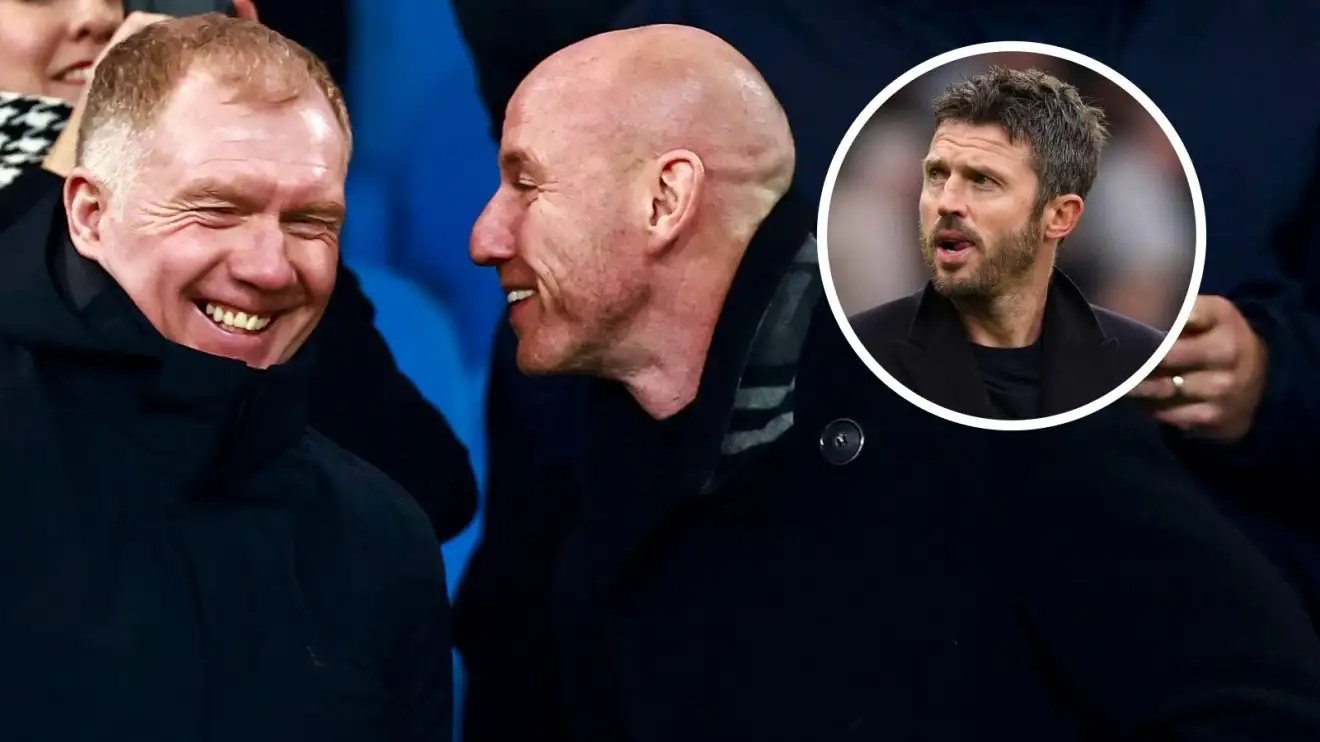
Fast forward to the present day, and Butt finds himself in rather different circumstances. Now a podcast co-host alongside Paul Scholes, the former midfielder has been dishing out far harsher medicine to current United players. When Lisandro Martinez offered a perfectly reasonable response to criticism that went well beyond anything Hansen ever aimed at Butt, the response was blunt: "f***ing grow up."
The irony is thick enough to cut with a knife. Here's a man who was wounded by relatively gentle commentary now wielding a cudgel against players navigating an even more hostile media landscape. The hypocrisy might not be particularly logical, but it certainly drives engagement—and that's rather the point of the exercise.
What Butt and Scholes' pub-banter routine actually accomplishes, however, is making an already punishing job considerably worse for those wearing the United shirt. Playing for Manchester United has never been for the squeamish, and that was true even during the Ferguson years.
Butt knows this better than most. By the time he'd played a full Premier League season, he and his peers were being asked to win silverware and compete at the highest level. He eventually collected six league titles and a Champions League medal, all while facing his share of criticism. The difference? He had Sir Alex Ferguson running the show and a trophy cabinet to hide behind.
"I got so much crap when I played at Man Utd," Butt has said. But where was that criticism coming from back then? There certainly weren't former United players using media platforms to talk down their successors. Denis Law and Paddy Crerand didn't belittle the next generation trying to fill their boots. If anything, the opposite held true.
Newspapers slung criticism, of course, but players of that era could simply avoid picking up a copy. The internet barely existed in 1995, and social media wouldn't become the relentless, all-consuming force it is today until long after Butt departed Old Trafford in 2004.
United, naturally, are more than happy to exploit the massive platform their name provides. They sell the club to prospective signings by highlighting the profile available nowhere else. But then the club places these players under an unforgiving microscope and frequently fails to function as a serious football operation—leaving them exposed to failure.
Current players certainly bear some responsibility for their own struggles, and it's understandable why Butt and Scholes find the decline frustrating. They were blessed to operate under the greatest manager the game has produced. Yet rather than use that experience constructively, they're making conditions harder for those following in their footsteps.
Ferguson famously waged war with journalists and pundits over far less than the disdain being shown towards Martinez and others. The relentless pressure he applied—and the standards he enforced—made United the toughest environment in English football during his tenure. Now, former players are adding to that burden from outside the club, and it's doing nobody any favours.
The old manager would never have permitted it. The current one shouldn't either.
Compare options