BlueCo's Chelsea Gamble Looks Increasingly Unwinnable
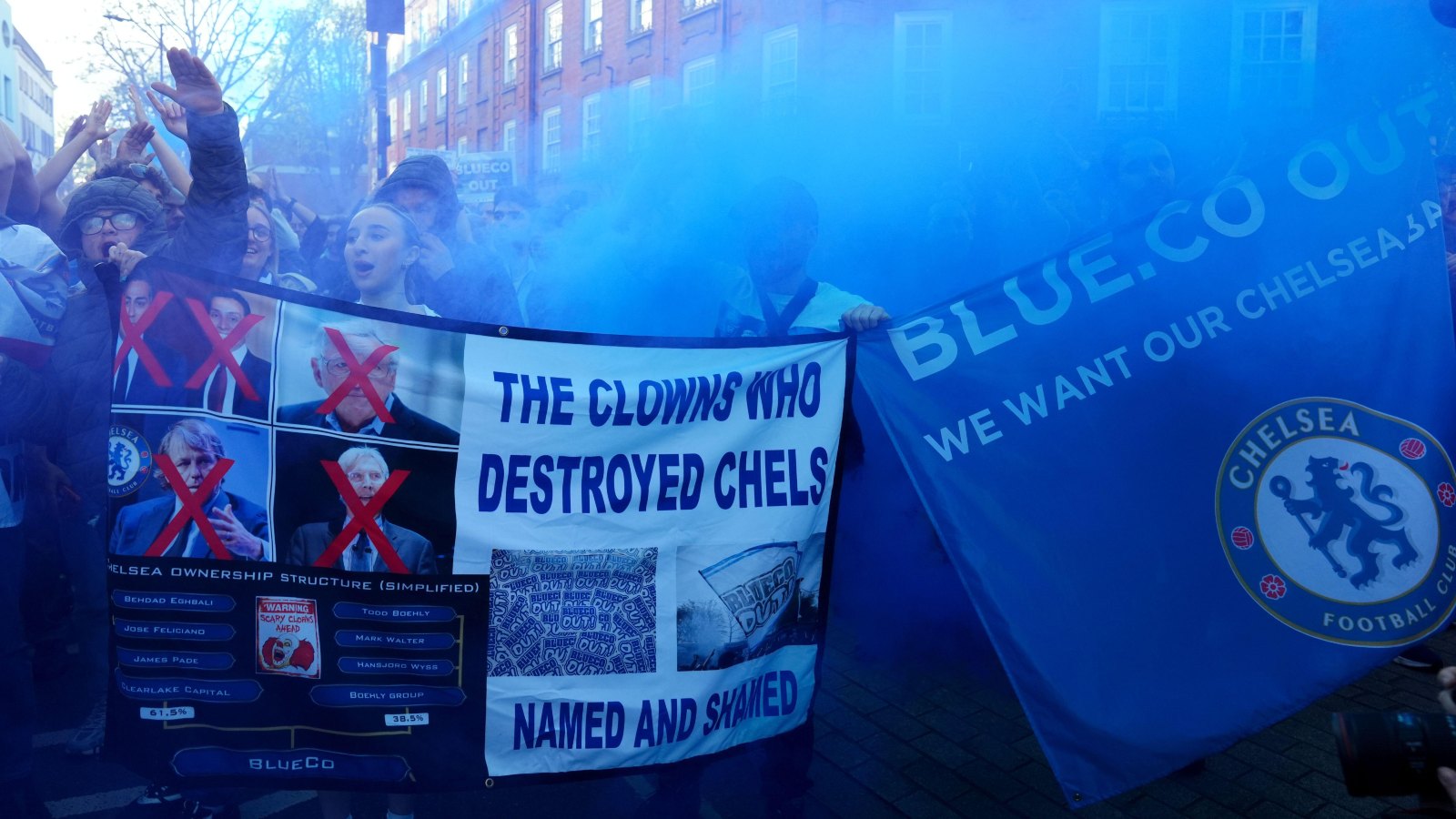
Even the FA Cup semi-final triumph on Sunday barely papers over the cracks at Stamford Bridge. The victory may embolden some to believe the side can muddle through without proper managerial direction, but it masks a far deeper malaise. The real question isn't whether Chelsea will attract a new manager in 2026—someone will inevitably bite—but whether any self-respecting elite coach would actually want the poisoned chalice on offer.
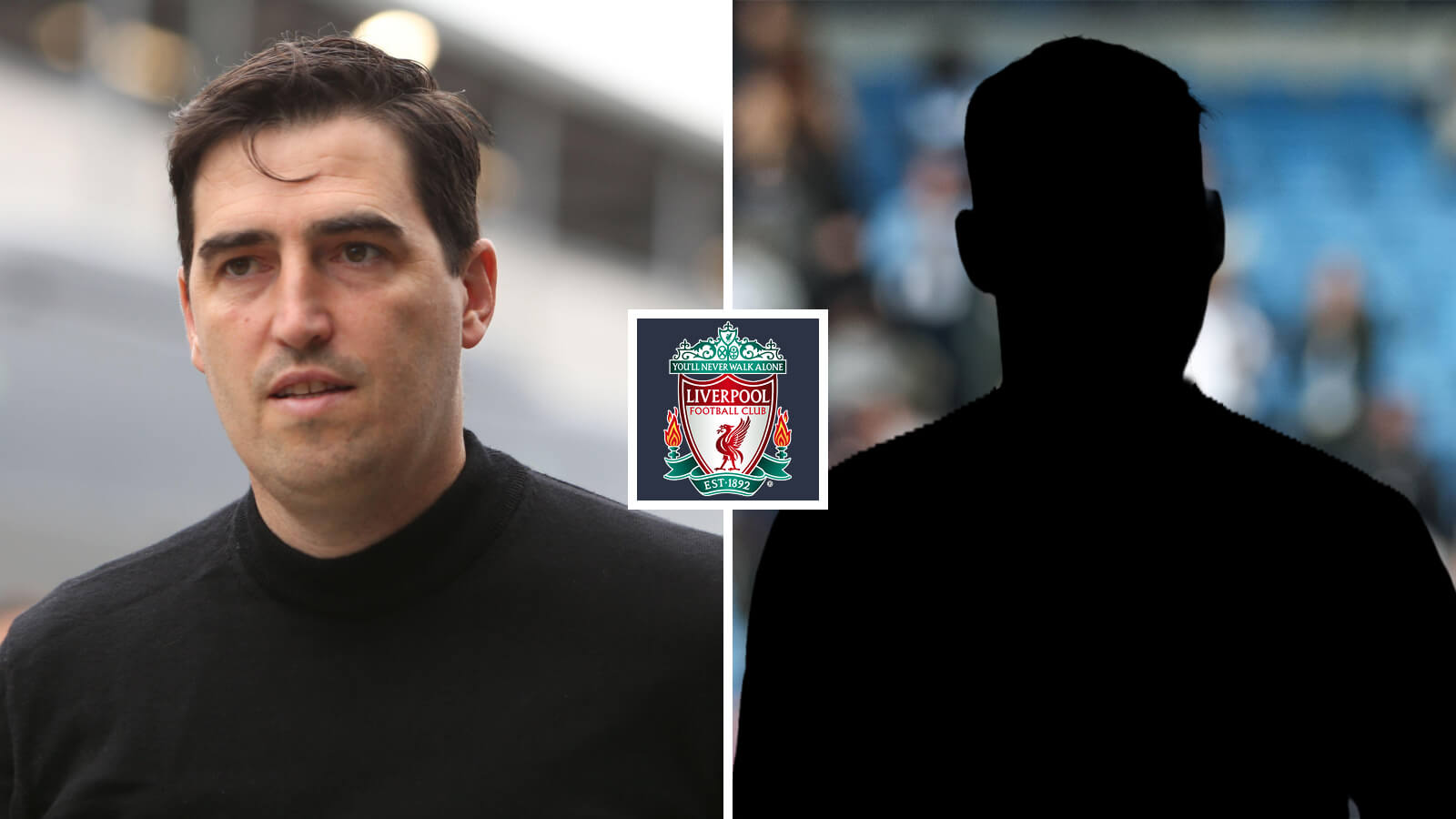
Sure, it's tempting for an up-and-comer like Andoni Iraola. The job carries a certain appeal: a squad groaning under financial investment, an ownership structure so visibly dysfunctional that failure becomes almost pre-excused. Yet for a manager already proven at the highest level, Chelsea represents something far less appetizing.
This isn't a fresh predicament. The club's history before the money arrived was hardly glorious. Under Ken Bates, Chelsea cycled through managers with bewildering frequency, though at least when the Russian investment materialised, someone knew how to spend it properly. The contrast with BlueCo's tenure is stark: they're outspending their predecessors yet producing demonstrably worse results.
Before Abramovich, Chelsea hadn't won a league title since the 1950s. The glittering 1970-71 side that claimed the FA Cup and Cup Winners' Cup proved a mirage amid decades of genuine mediocrity. The club suffered two relegations, including a humiliating bottom-place finish in 1978-79, and endured a 7-2 drubbing at Middlesbrough before Christmas. They scraped together a couple of second-division titles in the eighties and spent the nineties hovering between mid-table obscurity and occasional respectability.
Two decades of trophy-laden success followed the money, yet Chelsea never quite shed the image of a ramshackle institution. The absence of deep historical pedigree, the questionable provenance of their funding, and their modest 40,000-seat stadium all conspired to prevent them establishing themselves as a genuine European superpower. Contrast this with Liverpool, Manchester United, or any other storied institution: their history alone buffers a manager's reputation. At Chelsea, even twenty-plus years of silverware never quite conferred that same credibility—except perhaps to Jose Mourinho—because the whole enterprise always felt fundamentally transactional.
Now the club has somehow landed owners who appear indifferent to football itself, make bewildering decisions, and don't even seem particularly adept at generating returns on their investment. The past offers no protective halo. All that remains is the money, and even that loses its lustre when you've already cycled through a roster of elite managers without establishing any genuine stability.
The mathematics are brutal. Top-tier managers can secure substantial wages anywhere these days. Financial inducement alone won't cut it. Chelsea must therefore cast their net further down the pecking order, settling for prospects rather than proven winners. Iraola represents precisely this tier—talented but untested at the very summit.
Yet any incoming manager should surely make one thing non-negotiable: a complete overhaul of the operational model. Failure without that restructuring becomes almost inevitable. The pressing question is whether BlueCo possesses either the capability or the humility to change course.
The evidence suggests otherwise. Chelsea currently has sixteen players scattered across loan deals at locations ranging from Barnet to River Plate. Other wealthy clubs build success through shrewd recruitment; the current regime appears incapable of executing even this basic function. Spending over a billion pounds while producing worse results than predecessors represents a staggering indictment. Only the most stubborn egos could witness such comprehensive failure and conclude the strategy remains sound.
The club has shed the fair-weather supporters accumulated during the successful years while managing the impressive feat of alienating their core fanbase. Things could always deteriorate further—Tottenham's trajectory proves that—but Chelsea are perilously close to the edge.
Repeat the current mistakes with the next managerial appointment and the damage becomes irreversible. The club will eventually find itself dependent on money-chasing mercenaries and inexperienced operators like Liam Rosenior, condemning themselves to a self-perpetuating cycle of decline. This appointment is genuinely the last throw of the dice.
Perhaps BlueCo should cut their losses. They possess sufficient capital to walk away with their dignity intact—or what remains of it—and let some other billionaire vanity project take over. If they've demonstrated even marginal competence in any aspect of football operations, there might be something worth salvaging. They haven't. With potential relegation to the bottom half looming in May, their departure would trouble nobody. Their vulgar wealth could find another home, and Chelsea might finally begin to rebuild.
Compare options