Chelsea's Decline Into the Premier League's Least Desirable Job
There was a time when a vacancy at Chelsea meant phones ringing off the hook. Top managers would practically elbow each other out of the way for a shot at Stamford Bridge. Those days, it seems, are gone.
The sacking of Liam Rosenior has laid bare just how far the club has fallen in the eyes of European football's elite. Julian Nagelsmann, Germany's national team coach, has gone so far as to publicly confirm he has zero interest in the role after the World Cup. He's not alone. Cesc Fabregas – a man with genuine Chelsea history – has reportedly turned it down flat. Rising talents like Andoni Iraola and Marco Silva would be wise to follow suit.
The paradox is stark. Chelsea won the Club World Cup last summer, yet even that achievement rested entirely on foundations laid by the previous regime. When the club won the Champions League in 2021 and Roman Abramovich was forced to sell, any sensible buyer should have recognised Chelsea as a well-oiled machine requiring maintenance, not demolition and reconstruction.
Abramovich's model may have drawn criticism, but it delivered trophies. The Russian owner sacked Carlo Ancelotti, Jose Mourinho, and Antonio Conte – genuinely elite operators. BlueCo, meanwhile, has axed Enzo Maresca and Rosenior. The gap speaks volumes.
Since their takeover, BlueCo have operated like an overexcited parent discovering Vinted for the first time: buy, buy, buy, then sell, sell, sell. Last summer, only Brighton matched their frantic player turnover – and the Seagulls actually made money from it. Chelsea's focus has shifted entirely toward player trading rather than genuine development.
The numbers are damning. From the 2021 Champions League final starting XI, only Reece James remains. Manchester City, who faced Chelsea that night, still have four players from their team. James is the sole member of the current squad with over 150 Premier League appearances for the club. Compare that to Arsenal's four, or Manchester City and Liverpool's five each.
The strategy is superficially clever: hoover up young talent, either develop them or flip them for profit. The execution, however, has been a disaster. How does that blueprint function when your team is fundamentally broken and devoid of leadership? You have to wonder whether Enzo Fernández will ever justify his £105 million price tag. Joao Pedro's £60 million looks increasingly questionable. As for Mykhailo Mudryk's £89 million? Best not to dwell on it.
Mudryk also exposes a flaw in BlueCo's financial engineering. To circumvent regulations, they've handed out absurdly lengthy contracts, spreading transfer fees across years – perfectly sensible for depreciating assets, catastrophic for human beings capable of injury, suspension, or simply losing form. Paying £100,000 a week for five years to someone who might break his leg or hit a purple patch is a gamble that shouldn't be taken.
The consequence is a squad that's the league's youngest but virtually interchangeable with mid-table sides. A fit James and Moises Caicedo might walk into another top club. Cole Palmer looks a shadow of his first-season self. Joao Pedro, Pedro Neto, and Jamie Gittens are streaky at best.
The blueprint was lifted from Brighton, along with half their staff. But Brighton and Chelsea operate under entirely different expectations – a truth BlueCo either didn't understand or chose to ignore. That's before considering the ownership's meddling tendencies.
Maresca, hardly a titan of the game but arguably the better fit compared to Rosenior, departed because he felt unable to work within BlueCo's parameters. The medical department wielded as much influence as the manager over player minutes. Maresca felt like a spare part, telling the press his "worst 48 hours" at the club and lamenting that "many people didn't support us."
Any prospective manager watching that unfold will ask themselves a simple question: why bother? Football's difficult enough without boardroom warfare. Even if managerial egos convince Oliver Glasner or Iraola – both being linked – that they're the one to turn it around, the only rational reason to accept the job is the severance package that inevitably follows.
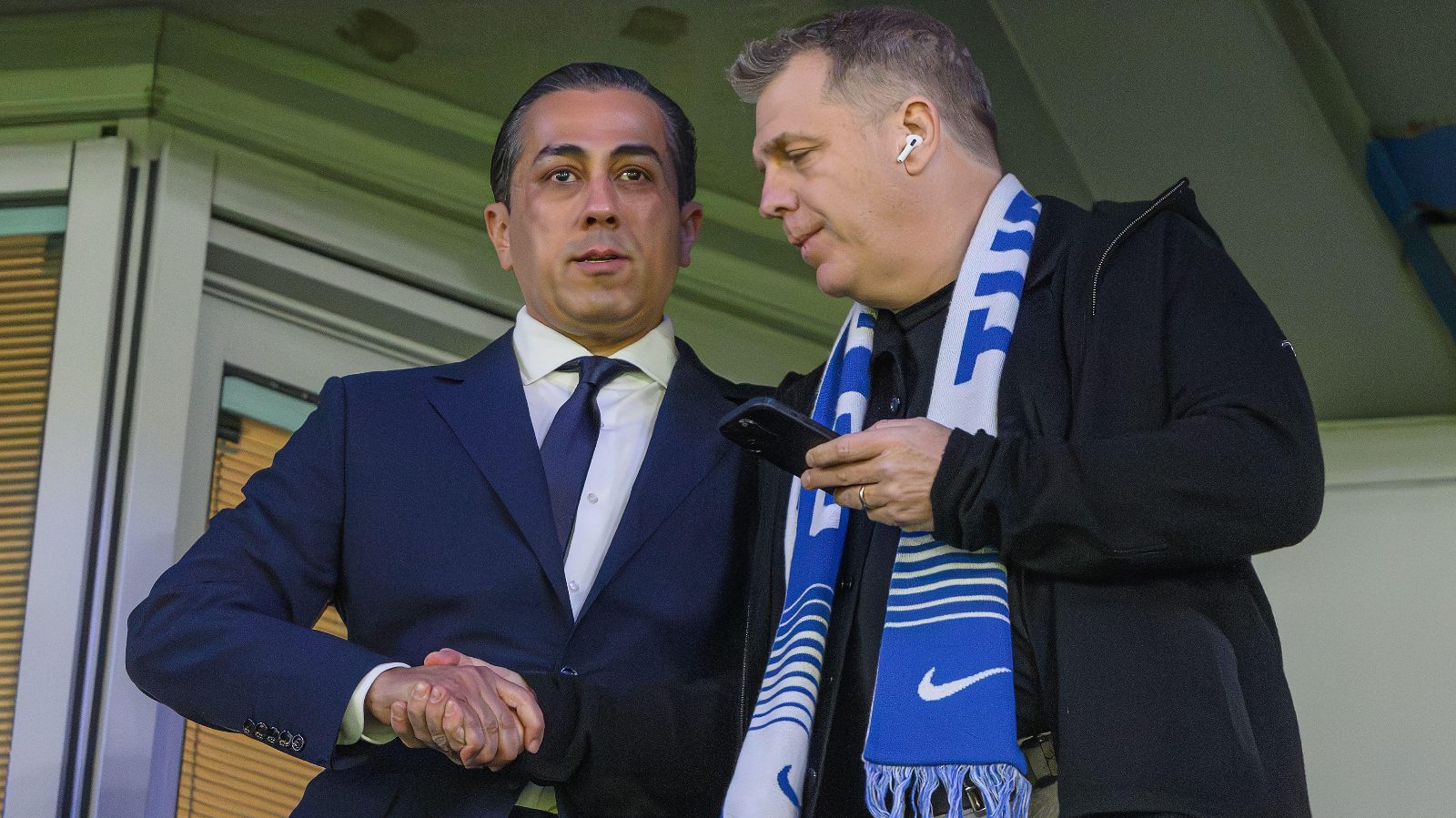
Behdad Eghbali and Clearlake Capital fancied themselves as numbers wizards who'd cracked football's code. Four years in, they should have learned they didn't. The organisation has zero winning pedigree. Nobody from owner to sporting director to manager can articulate what it takes to win a Premier League title.
BlueCo might view the Rosenior debacle as a reckoning, or they might simply blame the manager. Their next appointment will tell us which. But if you're genuinely among the world's best coaches, you'd need your head examined to pick up the phone when this version of Chelsea come calling.
Compare options