When Plan B Became the Main Event: Football's Greatest Transfer Gambles That Paid Off
Sometimes the best things in life come to those who settle. When a football club's primary target slips away, the scramble for a replacement can yield unexpected treasure. History is littered with instances where Plan B outshone what might have been.
10) Jens Lehmann – Arsenal's Accidental Invincible
Picture an alternate universe where Sébastien Frey lifts the Champions League trophy at the Ataturk Stadium. The Parma goalkeeper was Arsenal's man in 2003 as they hunted a successor to David Seaman, but the price tag proved prohibitive. Arsène Wenger, having dismissed other internal options, turned to a 33-year-old German as a short-term fix. Lehmann remained for four seasons, became an Invincible, collected an FA Cup, and earned the dubious honour of the first red card in a Champions League final. Not a bad stint for someone supposed to be temporary.
9) Heung-min Son – Tottenham's Shrewd Alternative
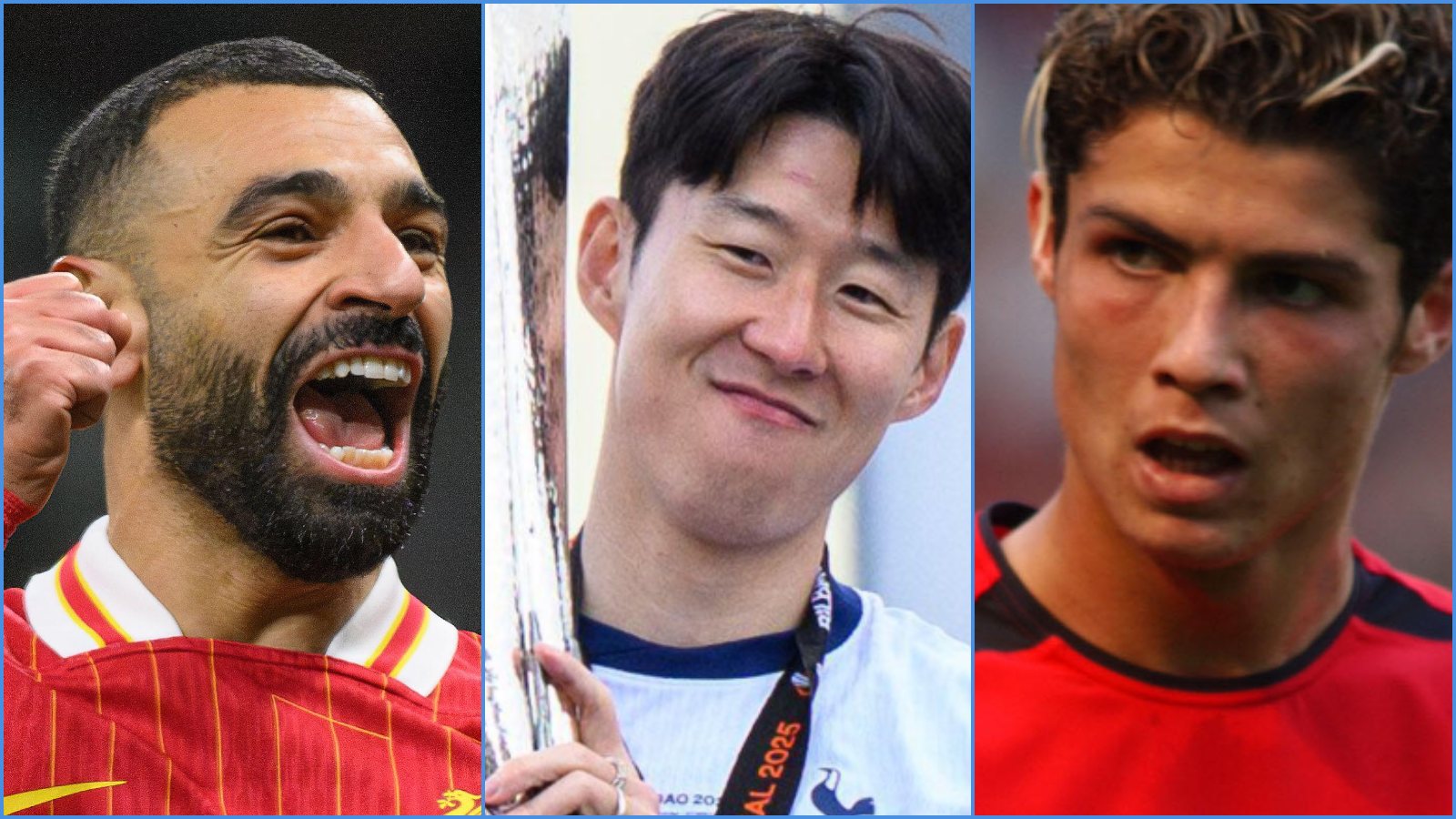
Daniel Levy's determination to sign Saido Berahino from West Bromwich Albion was genuine – three bids between £15m and £23m proved it. The Baggies held firm. Fast forward and the contrast is stark: Berahino scattered himself across eight clubs and 40 goals over a decade, while Son reached that same tally by February 2018 and eventually claimed 173 in Spurs colours, fourth on their all-time list.
8) Alan Shearer – Newcastle's Unannounced Pitch
Kevin Keegan's assistant Terry McDermott later recalled the curious circumstances of Newcastle's world-record signing. Club supremo Douglas Hall had attempted to pursue Roberto Baggio at Juventus, arriving unannounced at their offices only to be turned away – rather awkwardly, given Juve had sold Baggio to Newcastle just a year prior. Undeterred, Hall pivoted to Shearer instead, and the rest became Premier League folklore.
7) Michael Essien – Chelsea's Consolation Prize
Steven Gerrard's "How can I leave after a night like this?" moment at the Ataturk Stadium in May 2005 seemed to have an expiry date. Chelsea came calling with a British record £32m offer that summer. For roughly 24 hours, Gerrard appeared bound for Stamford Bridge, even rejecting a £100,000-a-week extension. Then came the U-turn, the new contract, and the declaration that Anfield was the only place he wished to win a Premier League title. Chelsea's response? They'd been courting Michael Essien of Lyon anyway. José Mourinho, ever the pragmatist, suggested he might have welcomed both.
6) Sami Khedira – Real Madrid's £8.5m Pivot
Mourinho's long-running fascination with Gerrard reached fever pitch in 2010 when the Liverpool captain became his stated priority at the Bernabéu. Madrid's reported £35m valuation proved the sticking point. Instead, Stuttgart's Khedira arrived for £8.5m – a considerably less glamorous signing, yet one who collected a La Liga title, two Copa del Rey trophies, and that tenth European Cup everyone remembers.
5) Alisson – Liverpool's Slovenian Detour
Reports circulated in October 2018 that Liverpool had tabled a significant offer for Jan Oblak the previous summer. The Atlético Madrid goalkeeper declined. Jurgen Klopp, who'd grown accustomed to patience during his Anfield tenure – waiting months for Virgil van Dijk, accepting Sadio Mane instead of Ousmane Dembélé – suddenly found himself with a consolation prize in Alisson. The Brazilian arrived for considerable outlay but proved worth every penny.
4) Mo Salah – The Data Department's Victory
Here lay genuine internal disagreement. Klopp favoured Julian Brandt; Liverpool's analytics team championed Salah as superior value with a higher ceiling. This season represents Salah's worst return in a Liverpool shirt – ten goals in 34 matches. Brandt, who rejected the move to remain at Leverkusen in a World Cup year, has only once outscored that tally in a single campaign. The German departs Dortmund on a free transfer this summer, yet somehow doesn't feature among discussions of Salah's potential replacements.
3) Cristiano Ronaldo – Manchester United's Blessing in Disguise
Sir Alex Ferguson's pursuit of Ronaldinho in summer 2003 felt imminent. The Brazilian's representatives in Paris had other ideas, moving the goalposts at the last moment. Barcelona ultimately secured the deal for £21m, leaving United empty-handed in their quest to replace David Beckham. "Perhaps we wouldn't have ended up with Ronaldo had we got Ronaldinho," Ferguson later reflected. Paul Scholes would recall United spending a subsequent pre-season friendly against Barcelona attempting to "boot" Ronaldinho in frustration.
2) Ronaldinho – Barcelona's Backdoor Route
Yet Barcelona's path to Ronaldinho proved circuitous. They'd first pursued Beckham from Manchester United, with the club announcing a £25m agreement in principle – contingent on Joan Laporta winning the presidential election and Beckham actually agreeing terms. His heart lay elsewhere. "David is very disappointed and surprised to learn of the club's statement," came the response from Beckham's representatives. Laporta had promised Beckham, Thierry Henry, or Ronaldinho in his manifesto. The Brazilian proved easiest to deliver, particularly with Beckham serving as convenient smokescreen.
1) Eric Cantona – The Injury That Changed Everything
Depending on the account, Sir Alex Ferguson's November 1992 shopping list for a striker included up to four names. David Hirst was targeted; Matt Le Tissier, Brian Deane, and Alan Shearer were mooted. Then Dion Dublin broke his leg against Crystal Palace. Ferguson scribbled Cantona's name on a notepad while discussing Denis Irwin with Leeds' Bill Fotherby. Leeds' casual response – they'd sell for £1m and get back to United in half an hour – aroused suspicion. "Half an hour to discuss a player like Cantona?" Ferguson mused years later. "Something like that should have taken five days." United signed him the next day. Without Dublin's misfortune, Sheffield Wednesday's negotiating stance, and Leeds' underestimation of one Irishman's value, the dominant force of early Premier League football might never have materialised.
Compare options