World Cup 2026: Portugal's Glory, England's Heartbreak, and Other Certainties
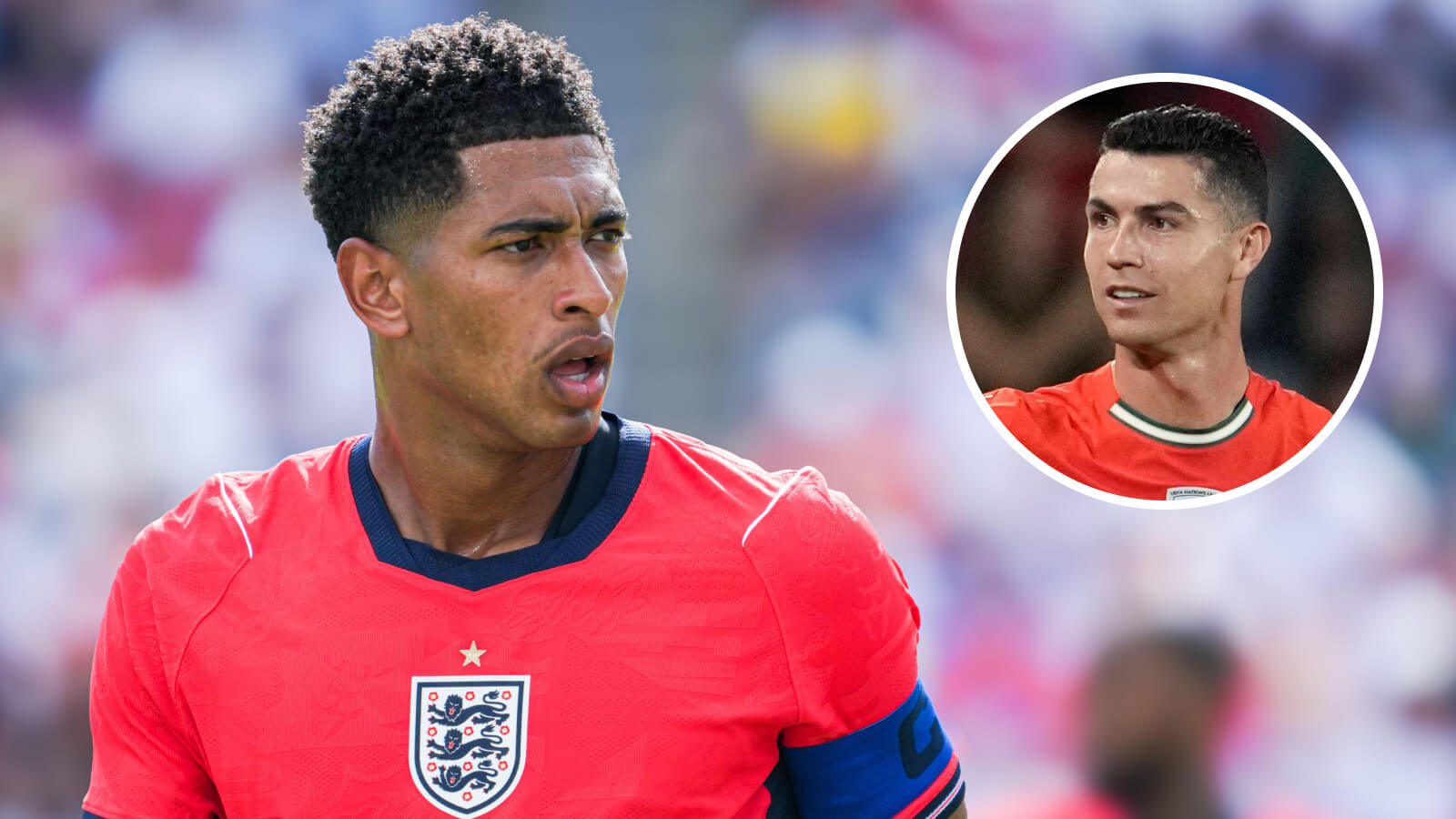
The World Cup is upon us, and like it or not, we're strapping in for the ride. Some of it will be dreadful. Some of it will be brilliant. But it's football, and that's what matters.
Here are ten things we're virtually certain will unfold.
Portugal's coronation will be the worst timeline
When contemplating who might lift the trophy, we've asked ourselves the obvious question: what outcome would be most unbearable? The answer is straightforward—Portugal winning it all.
Not because there's anything inherently wrong with Portugal. Rather, a Portuguese victory would delight precisely the wrong people and unleash an avalanche of tiresome conspiracy theories. We're pessimistic enough to believe we're already living through the worst possible timeline, but even we can't quite imagine the USA somehow winning through rigging alone.
Portugal, though? They possess arguably the tournament's finest midfield. Elite talent throughout the squad. And the fading yet formidable presence of Cristiano Ronaldo.
This is where everything becomes intolerable. The Ronaldo-versus-Messi debate would resurface with a vengeance. The conspiracy merchants would declare it "very interesting" that Messi received his World Cup in 2022 and Ronaldo in 2026. One particular media personality would mine previously undiscovered depths of smugness. And Trump would beam with delight at Ronaldo's triumph—two men bonded by their shared commitment to being exceptionally tall and remarkably lean.
England's quarter-final bow
The most plausible scenario unfolds like this: England tops their group, navigates past a third-place finisher, overcomes Mexico in the last 16 despite all the pre-match hand-wringing about heat and altitude, then collides with Brazil in the quarter-finals. Defeat follows.
Bellingham becomes the sacrificial lamb
When England's campaign ends, the search for a scapegoat begins immediately. While other candidates exist, the obvious choice is Bellingham.
Yes, Thomas Tuchel could take the blame—he is, after all, German, and his squad selection raised eyebrows. But suddenly, players previously dismissed as non-essential will be rebranded as "potential game-changers" England desperately needed. The media will obsess over the 23rd and 24th squad members as if their absence cost England the tournament.
Djed Spence represents another possibility. He's cocky, an unconventional selection, and—let's be honest—ticks certain boxes that make scapegoating easier for some.
But Bellingham remains the prime target. His lack of Premier League experience breeds deep suspicion among the press. They don't encounter him regularly on their daily beats the way they do domestic stars. They don't understand or trust someone who shows little appetite for their constant attention or for English football itself.
The troubling sign? Recent tabloid columns insisting Bellingham "must start." That's not confidence—that's a setup. They're building the narrative for his fall.
Scotland's familiar exit
Scotland has competed in sixteen-team tournaments, twenty-four-team tournaments, and thirty-two-team tournaments. They've never escaped the group stage. Now they're attempting their ninth World Cup in a forty-eight-team format, and the odds remain grim.
Their group includes Morocco and Brazil—a throwback to 1998 that brings no comfort. Even the potential third-place lifeline looks precarious. Haiti awaits in their opener, and any stumble there sends them spiraling. Even if they win that match, losing to Brazil and Morocco becomes entirely plausible, leaving them to agonize over whether three points suffices for one of the best third-place spots. It probably won't.
English officials get their moment
Michael Oliver and his team have been handed the final. This will baffle those Premier League supporters who insist on importing overseas referees, convinced foreign officials are somehow superior rather than simply unfamiliar—which means you haven't yet seen them make decisions against your side.
ITV's commercial reckoning
ITV will last about seven games of Sam Matterface earnestly discussing the temperature while promoting upcoming dramas before capitulating entirely. Adverts during drinks breaks will follow. A collective sigh of relief will sweep the nation.
The Trionda problem
We watched one warm-up—England versus New Zealand—and that was sufficient. The pitch in Tampa looked hastily assembled, as if the stadium staff had only remembered they were hosting football roughly forty-five minutes before kick-off.
The real concern isn't the match quality. It's the ball. When even Spence's renowned long-range accuracy goes haywire, you know something's wrong with the equipment. Trionda, like Jabulani before it, will become football shorthand for a problematic sphere.
USA's humiliation
Finishing bottom of Group D would be delightful—not a prediction so much as a desperate hope. Their group with Turkey, Australia, and Paraguay is genuinely unpredictable, making every outcome plausible.
A USA exit would infuriate Trump and embarrass FIFA. It would also trigger the familiar American refrain: "If we took soccer seriously, we'd dominate forever"—this from a country that loses to Mexico at baseball.
The big teams survive
Here's our contrarian take: no major nation will spectacularly collapse. The forty-eight-team format has diluted group-stage competitiveness and provided a generous third-place safety net. We'll likely convince ourselves that Austria's elimination constitutes a major storyline, which is genuinely undignified.
The nearest thing to chaos might be a favorite finishing second and facing another heavyweight immediately. England could finish second and meet Spain. Germany might slip up and face Brazil in round two. Or Argentina, defending champions, could stumble and immediately encounter Spain—creating the earliest "this would've been a worthy final" clash in World Cup history.
The border chaos
Between writing and publication, this one already came true. Somali referee Omar Artan, African referee of the year, was turned away at the Florida border. Well done, America. Well done, FIFA. It's going to be a long six weeks.
Compare options