The Away Day Reckoning: Why Football Must Tackle the Carbon Cost of Loyalty
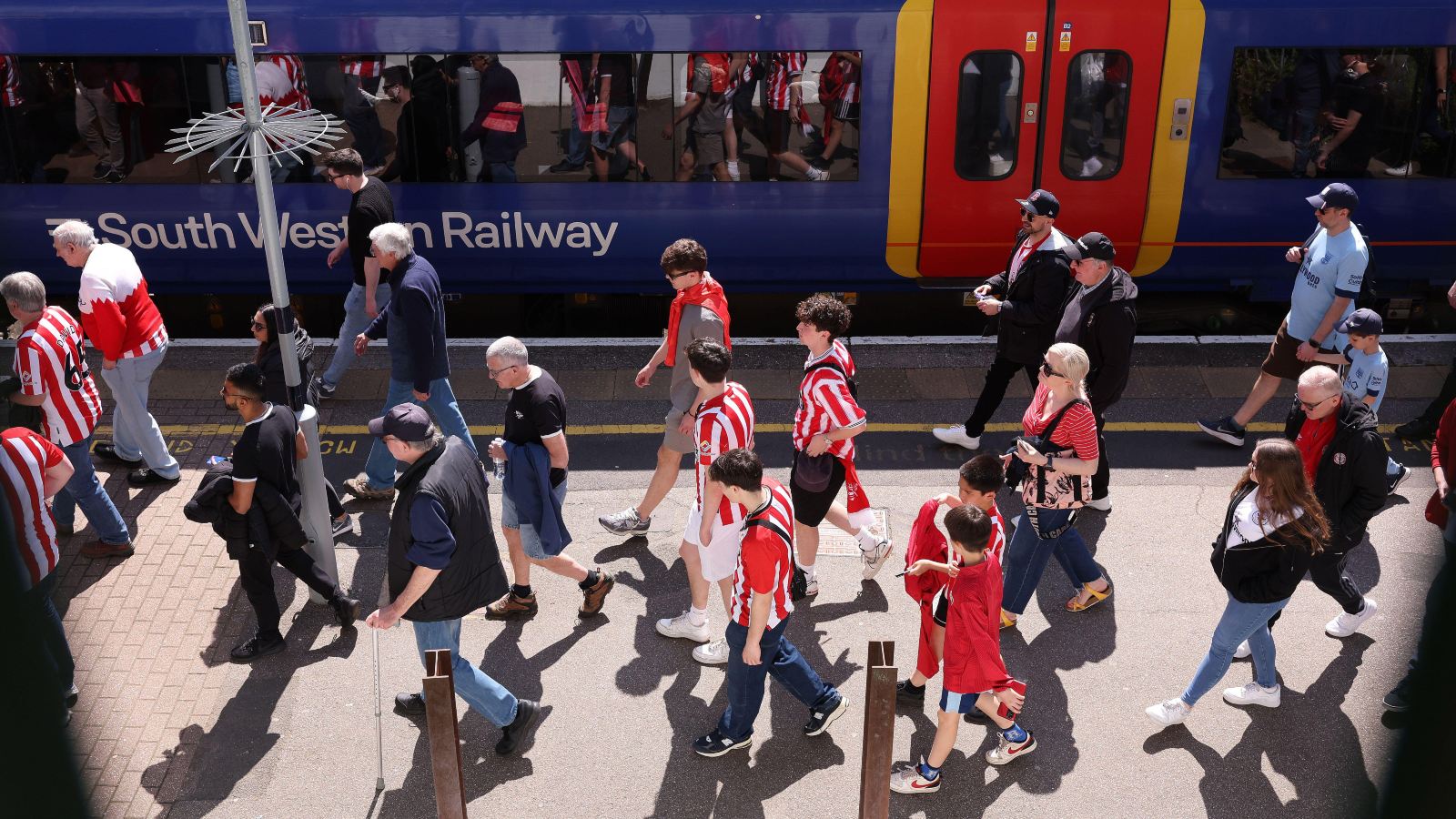
There's something sacred about the away day. The pre-dawn alarm, the motorway miles, the unlikely friendships forged on a coach hurtling towards the North West. It's woven into what it means to support a football club – a ritual that feels almost untouchable, even as the sport transforms around it.
Yet rituals don't exist in a vacuum. They're shaped by the world we inhabit, and increasingly that world is reckoning with climate change.
The Scale of the Journey
Consider the numbers. Every weekend, thousands of supporters crisscross the country. In the Premier League, where clubs sprawl from the south coast to Lancashire, those journeys can stretch hundreds of miles. Some fans drive; organised groups travel by coach; others take the train. Add European competitions and air travel enters the equation too.
Each individual trip feels like a small gesture of devotion. Collectively, they represent a significant portion of football's carbon footprint.
The sport has begun to acknowledge its environmental responsibilities. Clubs encourage public transport on matchdays, publish rail and bus information, restrict stadium parking. Some supporter groups have gone further, organising shared travel and championing lower-carbon alternatives. But these efforts remain scattered, lacking the coordination needed to shift behaviour at scale.
The Identity Problem
The away day isn't merely a travel logistics problem – it's an expression of identity. For supporters, attending away fixtures is proof of commitment, a badge of honour that can't be replicated from the sofa. The away end shapes atmosphere, influences matches, anchors the emotional foundation of the club. Suggesting fans simply attend fewer away games fundamentally misunderstands what those trips represent.
Yet football has reinvented itself before. All-seater stadiums once seemed revolutionary. Broadcasting transformed the sport. Globalisation reshaped its audience. The away day, too, could adapt without disappearing.
Where Change Could Start
Rail travel offers the most obvious solution where infrastructure exists, particularly when supporters travel in numbers. But cost and practicality remain obstacles. Train ticket prices, scheduling constraints and limited late-night services make rail impractical for many fans – especially for midweek fixtures. Addressing this would require conversations beyond football itself, though the sport carries enough influence to lead them.
Fixture scheduling presents another angle. Currently, broadcasters, policing and commercial interests drive the calendar. Environmental impact barely registers. A wholesale redesign is unrealistic, but reducing long-distance midweek fixtures could make a meaningful difference. For now, that remains theoretical.
The Structural Reality
Supporters aren't ignoring the climate question. Growing environmental awareness exists across society, and football fans are no exception. Some already make different choices – opting for trains over cars, combining trips to minimise journeys. These decisions are often modest and personal, but they reflect genuine shifts in thinking.
The problem is systemic. Individual action only stretches so far when the framework still incentivises travel. Cheap European flights, early kick-offs requiring overnight stays, late finishes limiting public transport options – all these shape how supporters move. Without structural change, the sustainability burden falls unevenly on fans, asking them to adapt while the system stays largely unchanged.
The Way Forward
What makes the away day such a compelling case study is its humanity – the movement, community and shared experience it represents. Any sustainability solution must respect those qualities. This isn't about removing something supporters love; it's about reimagining how that experience is delivered.
The away end will always matter. It will always sing louder, travel further, care more. The question isn't whether that passion should endure – it's how it evolves.
Compare options