Atletico Madrid's Empty Bus: A Masterclass in Own Goals Off the Pitch
Atletico Madrid's Champions League campaign ended not with a flourish but with a familiar sense of suffocation. Arsenal's semi-final victory was less about drama and more about dominance—the Gunners controlled the ball, controlled the tempo, and ultimately controlled the tie itself. Simeone's side, usually the architects of discomfort, found themselves outmanoeuvred, their cutting edge dulled, their intensity neutralised by a more composed opponent.
Yet the real talking point has little to do with formations or finishing. It concerns a decision so baffling it almost defies belief.
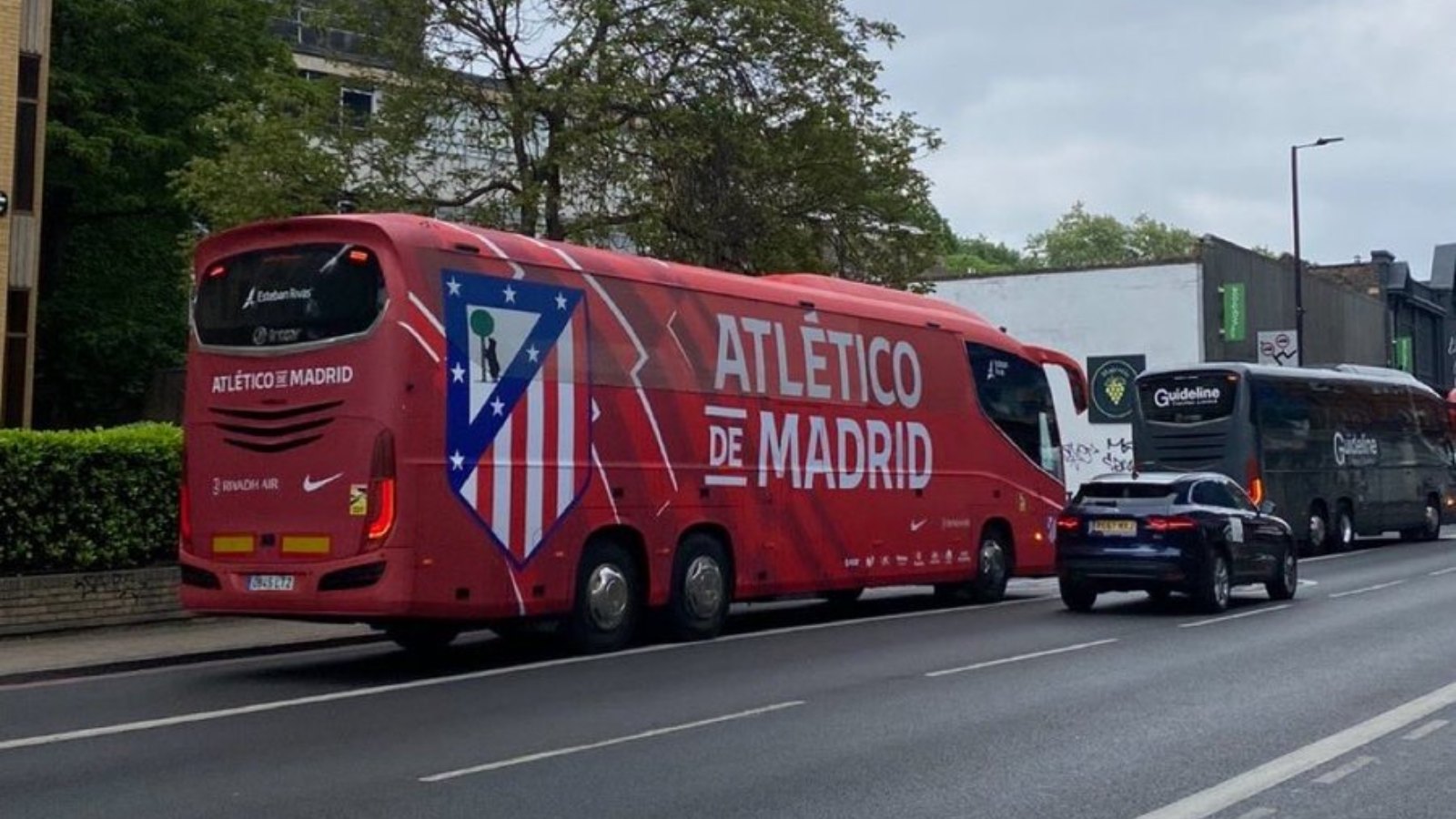
While Atletico's players and coaching staff sensibly boarded flights to London, the club's branded team bus embarked on the same journey by road. The catch? It travelled entirely empty.
The figures paint a damning picture. That coach covered roughly 1,700 kilometres to rendezvous with a squad already in the capital. The carbon cost of that jaunt? Approximately 11 tonnes of CO2 equivalent—the sort of number that makes environmental campaigners wince. For perspective, rail travel could have slashed those emissions by nearly 90%.
This is not a marginal inefficiency. This is negligence with a corporate logo on the side.
What makes it particularly galling is Atletico's reputation. Here is a club celebrated across European football for resisting the tide. When other elite sides cycle through managers like disposable razors, Atletico have remained steadfast with Diego Simeone for over a decade. Their football—combative, regimented, physically demanding—feels like a relic from an earlier era. That identity, that refusal to bend with fashion, has earned them genuine admiration.
There is a world of difference, though, between tradition and obstinacy. Between character and inertia.
Dispatching an empty bus across a continent in 2026 is not retro charm. It is environmental negligence masquerading as standard practice. There is no competitive advantage to parking a branded vehicle outside a stadium. There is no psychological edge to be gained. What there is, however, is a very real, measurable cost to the planet.
The broader picture matters here. Football increasingly faces questions about its carbon footprint—international travel, stadium energy consumption, supply chain emissions, the lot. Governing bodies issue statements about sustainability while meaningful change often hinges on individual clubs making wiser decisions.
Some are stepping up. Across the English Football League, more than a dozen professional sides have signed up to the Sustainable Travel Charter, an initiative pushing for smarter matchday travel. It is hardly revolutionary. It does not demand the impossible. It simply asks clubs to think: about how they move, why they move, and whether those movements are actually necessary.
Atletico's empty bus suggests that, at least this time, the thinking never got that far.
One could dismiss the whole episode as peripheral—a sideshow to a Champions League semi-final that will be remembered, if at all, for tactical subtleties rather than transport arrangements. The bus did not miss a tackle, fail to mark a striker, or cost Atletico a goal. It had zero impact on their inability to overcome Arsenal across two legs.
That is precisely what makes it so damning. This was entirely avoidable.
Clubs obsess over marginal gains: nutrition protocols, sleep schedules, data analytics. Yet somehow, a glaringly obvious inefficiency—a 1,700-kilometre round trip for an empty vehicle—gets waved through without question. The same forensic attention applied to Champions League preparation could, with minimal effort, have ensured this redundant journey simply did not happen.
Atletico's appeal has always centred on their defiance of modern football's excesses. They are the antidote to the hyper-commercialised, constantly reshuffled elite. But defiance should not extend to ignoring planetary realities. A club so proud of its identity ought to be positioned to lead by example—to demonstrate that tradition and environmental responsibility are not opposing forces.
Instead, this episode feels like a relic of a past that football can no longer sustain. The Arsenal defeat will hurt, and it will fade. Another campaign will come, another chance to reclaim European glory. The empty bus, though, remains—a symbol of something more troubling. A gap between the values clubs proclaim and the choices they make when scrutiny is light.
Compare options