Atletico v Arsenal: Tedium Masquerading as Football
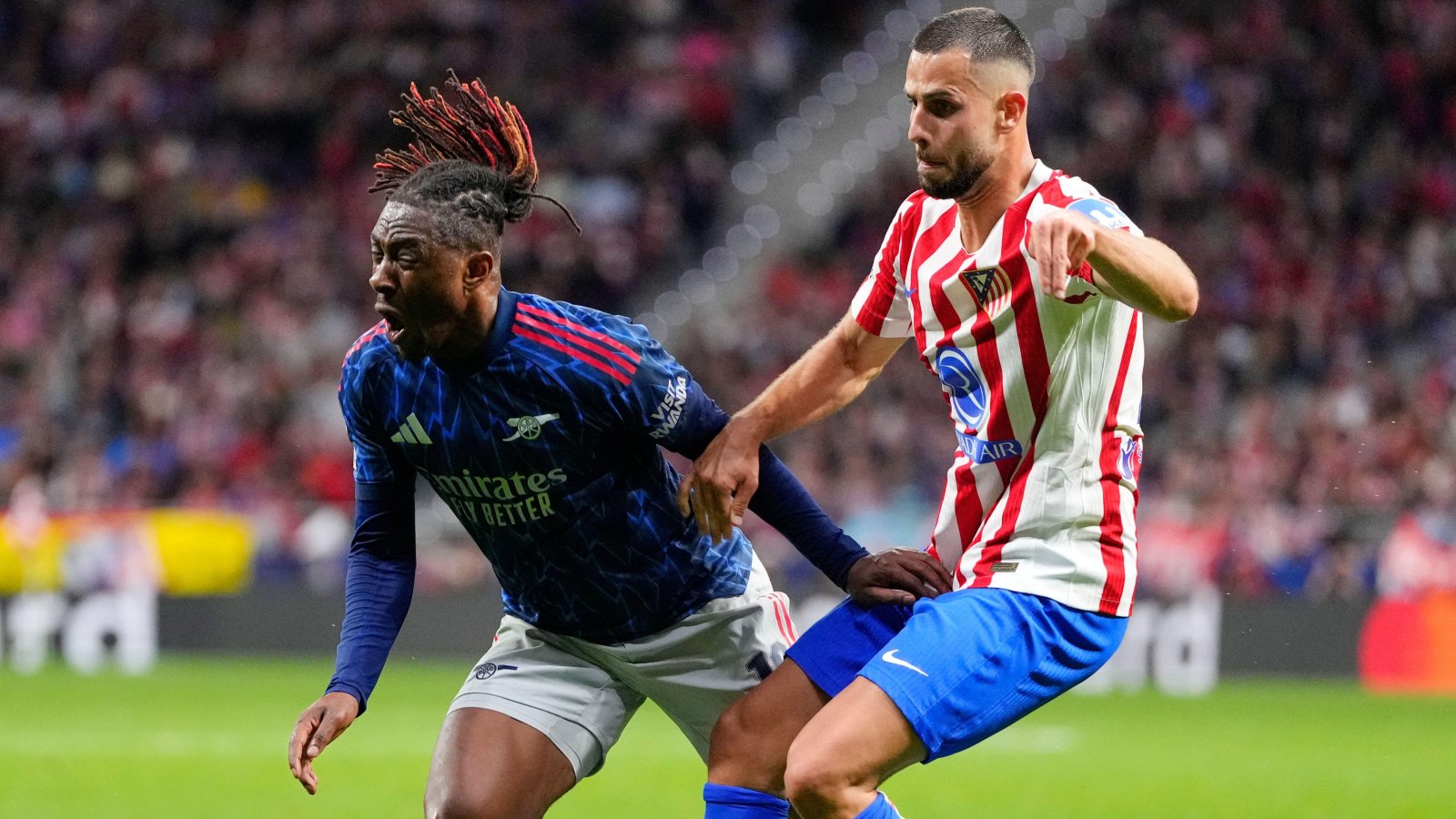
When Football Needed a Caffeine Boost
Let's not dance around it: Atletico Madrid versus Arsenal was a cure for insomnia. Dull. Relentlessly, unforgivingly dull. The sole glimmer of attacking ambition materialised from twelve yards, which tells you everything you need to know about what unfolded over ninety minutes. The most entertaining moment? A heated exchange on the sideline that possessed considerably more venom than anything happening on the grass itself.
There's also the peculiar business of that club crest emblazoned on the pitch. If you'd rather it didn't get trampled, perhaps reconsider the placement—right where every player's boot naturally lands.
If Arsenal harbour genuine ambitions this summer, they require far more than fresh faces. They need imagination. Invention. A jolt of electricity. This performance? This was football administered a sedative.
The Officials' Involvement (Again)
Naturally, the talking points revolved around decisions from the VAR booth rather than moments of brilliance. Another instalment in the ongoing saga of "clear and obvious"—though every fanbase probably feels uniquely wronged by such calls, the accumulation of perceived injustices does sting.
The fundamental question becomes: what exactly did VAR communicate to the referee? That conversation ought to be transparent. If marginal fifty-fifty calls now trigger a chat where VAR essentially second-guesses the on-pitch official, demanding he justify his decision before potentially asking him to reconsider, then perhaps we deserve clarity on what transpired.
Yet that would be madness, wouldn't it? Every decision subject to VAR not merely observing but interrogating what the referee witnessed. Extending the benefit of the doubt to some officials while casting doubt on others. It transforms the process into something far less certain, with additional voices influencing outcomes rather than fewer.
Perhaps an NFL-style review system would help—every penalty decision automatically scrutinised. Though in that case, make penalties considerably tougher to award for minor contact and introduce an indirect free-kick alternative for marginal infractions. Penalties have always carried disproportionate weight for relatively trivial offences.
But we don't inhabit that world. We inhabit this one. Will referees next week interpret matters identically? Who knows. Suddenly we possess less certainty, potentially more subjective influence on matches, and nobody quite knows who bears responsibility.
Still, a point would have seemed acceptable beforehand, and it probably proved fair by the end.
The Social Media Circus
Arsenal's Twitter contingent has descended into proper madness. One lawyer in his late thirties—presumably not requiring Ian Wright pyjamas to function—has been posting stills suggesting Eze's tumble constituted a stonewall penalty. Ignoring, naturally, that motion exists in football and that it was a genuine dive warranting a simulation booking.
The same account insists Atletico's half-time watering of just one side represented blatant gamesmanship. Somehow this becomes cheating when Arsenal face it, despite years of witnessing identical practices across the Premier League, FA Cup, and Champions League.
White's handball? Never a penalty, apparently. Disregard that his arm actively shifted towards the ball. Gyokeres' penalty should've included a red card for denying a goalscoring opportunity, they argue, completely overlooking UEFA's actual rules on triple punishment.
Meanwhile, Griezmann proved a genuine pleasure to watch—a rare bright spot in an otherwise uninspiring spectacle.
The PSG-Bayern Contrast
While the other semi-final delivered nine goals and ninety minutes of scintillating, clinical football, it naturally provoked discussion about Arsenal's prospects. Some questioned whether they could compete with either finalist; others noted the defensive vulnerabilities on display.
Here's the thing: Arsenal previously faced Bayern this season in the Champions League and won 3-1. The Gunners managed 14 shots to Bayern's 6, with 8 on target compared to 2. Bayern controlled possession and passing statistics, yet Arsenal generated 6 corners. Arteta and Simeone will have studied that PSG-Bayern encounter—entertaining as it was—and recognised that neither side defended adequately. They'll believe they possess a genuine opportunity.
The defending in that game wasn't particularly sound. Bayern essentially decided to abandon defensive discipline, reasoning they'd outscore PSG rather than containing them. That frequently occurs in later Champions League rounds when teams back themselves to find one more goal than their opponents. It likely stems from their domestic leagues, where they face less consistent pressure to construct deep defensive structures. The Premier League's competitive nature forces top sides to maintain defensive rigidity week after week. Perhaps that's why English teams struggle in knockout phases—they've been forced to evolve differently.
The Manchester United Interim Situation
There's something amusing about United's managerial record over the past decade: they've genuinely had a good manager. He simply goes by "Interim." Ole Gunnar Solskjaer, Ruud van Nistelrooy, and now Michael Carrick have all overseen title-challenging form whilst holding that temporary designation.
Given the Premier League's apparent reversion towards classical English football, the timing could prove perfect for United's traditional style. They'd be foolish not to retain him—albeit as interim, naturally.
Carrick's Credentials
The statistics paint an intriguing picture. Across thirteen league matches, Carrick's side has managed 1.8 goals per game (compared to Amorim's 1.7 across twenty), conceded just 1.1 per game (versus Amorim's 1.5), and accumulated 2.2 points per game (Amorim's 1.6). Projected across a full season, that points-per-game rate would place United first, two points clear of Arsenal.
Carrick and his coaching staff have made United harder to beat and considerably more defensively sound, though they'd need further tightening to match Arsenal and City's defensive records. Concerns remain about breaking down deep-lying defences and an over-reliance on Bruno Fernandes as the creative catalyst rather than a structured attacking system.
The case for offering Carrick the permanent position seems compelling. Yet the counter-argument holds weight too: United's football has been poor. They've consistently been the second-best side in their matches, succeeding primarily because Bruno performs "Bruno things" rather than through tactical sophistication. Carrick hasn't demonstrated an ability to outthink opposing managers or make meaningful mid-match adjustments. He's essentially activated the electricity and claimed credit for the business.
Recent defeats to Brentford at home, Leeds at home, and ten-man Newcastle suggest the current trajectory isn't sustainable. United remain competitive against struggling rivals but haven't convincingly beaten quality opposition through superior football.
The club faces a genuine opportunity to make a correct managerial decision—perhaps the first in considerable time. Aiming for Enrique or Tuchel represents the ideal. Emery, Iraola, or Mourinho offer the next tier. Only then does Carrick merit consideration, potentially on a one-year contract.
The bar at United has become worryingly low. It cannot remain there.
Compare options