Arsenal Face Daunting Task After PSG and Bayern Serve Up Champions League Masterclass
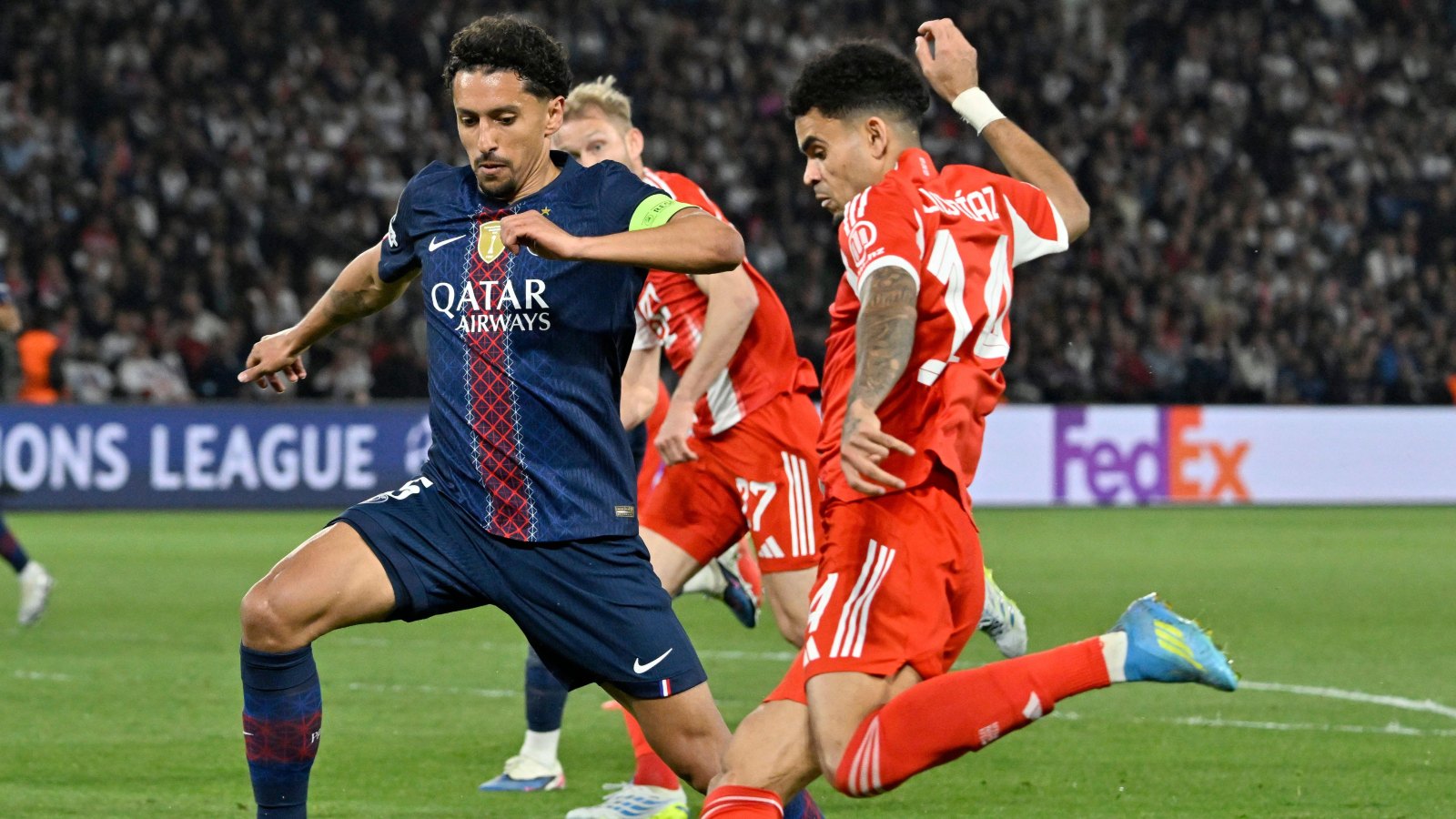
The gauntlet has been well and truly thrown at Mikel Arteta's Arsenal. After witnessing PSG and Bayern Munich serve up a Champions League spectacle that left neutrals breathless, the pressure mounts for the Gunners to deliver something approaching that level when they face Atletico Madrid.
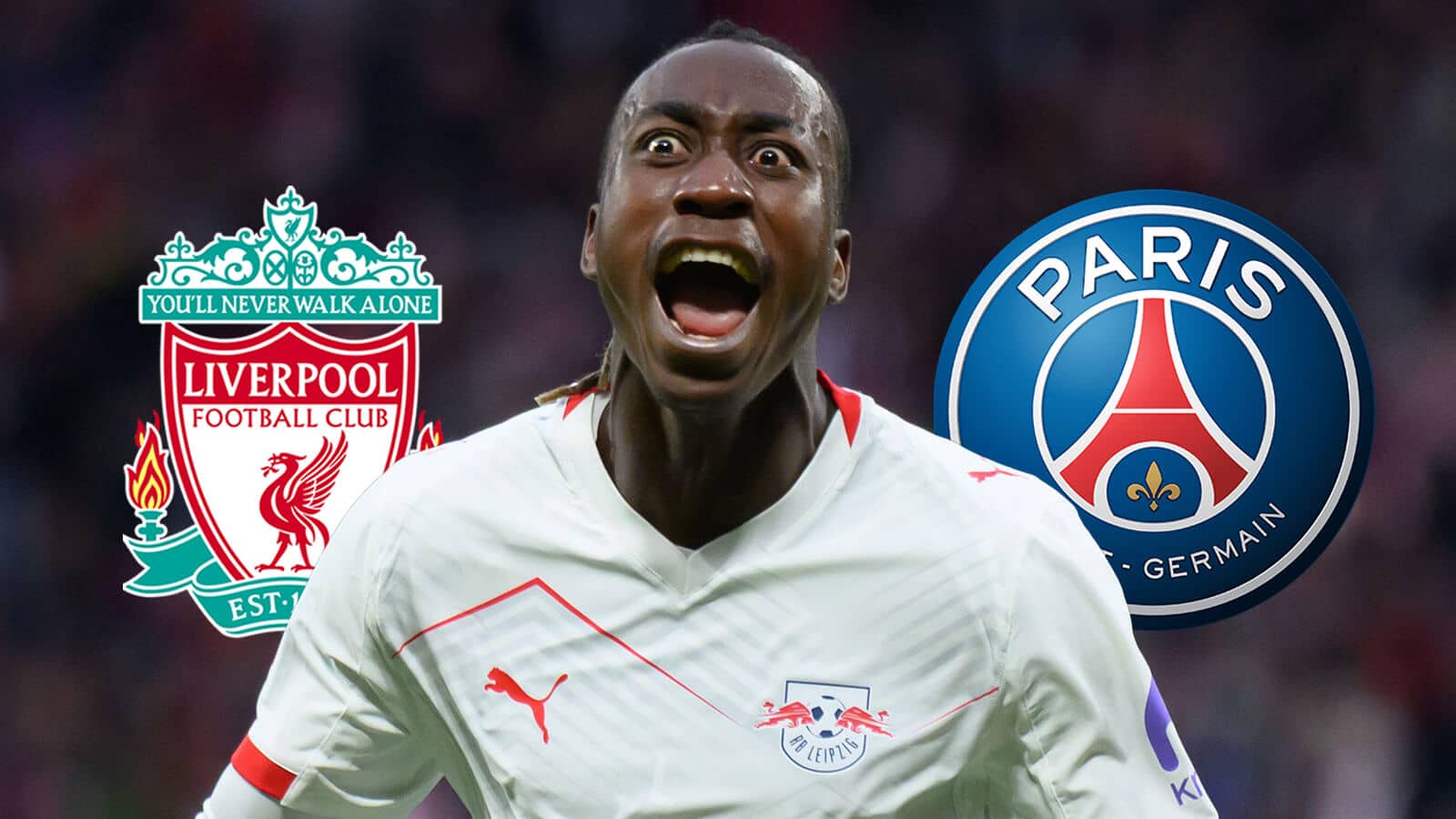
The Paris clash was the kind of match that reminded you why continental football can be so intoxicating. Logic-defyingly beautiful football played at breakneck pace in the first leg of a semi-final, with both sides seemingly having made a mutual decision to abandon defensive caution. Manuel Neuer found himself as a museum piece for one goal, whilst Harry Kane moonlighted as a quarterback setting up Luis Díaz for a ridiculous finish. Then Olise arrived to crown himself the new "starboy."
The final scoreline of 5-4 said everything about a match that felt less like a Champions League tie and more like two elite sides with their attacking sliders jammed to maximum. It had everything: Bayern's defensive line pushed higher than a receding hairline, PSG's wingers tearing through space with reckless abandon, and defending that was almost secondary to the attacking prowess on display.
For Arsenal, the question now becomes whether they can manufacture anything remotely similar against a Atletico side that will be far more defensively organised. Several supporters have voiced concerns about whether Arteta's measured, regimented approach can produce the kind of open, impulsive football that made the PSG-Bayern encounter so captivating.
One fan suggested Arsenal might be better served playing their reserves against Atletico and focusing on league commitments, fearing humiliation should they progress. Another backed the Gunners to neutralise Olise and Kvaratskhelia, turning the Bayern wingers into ineffective performers—though that confidence seems somewhat optimistic given what we've just witnessed.
The contrast between what we saw in Paris and typical Premier League fare has not gone unnoticed. The observation that no English top-flight team currently plays with that level of attacking freedom and mutual attacking commitment is both beautiful and tragic. It's glorious football, yet seemingly beyond the reach of our domestic sides.
For Arsenal, the challenge is clear: follow that. Good luck.
Meanwhile, Michael Carrick's Manchester United stock continues to rise. The interim manager has earned considerable goodwill since taking over from Ruben Amorim, with supporters noting marked improvement in the team's performances and results. One United fan argued the club should make his appointment permanent, citing examples of successful managers like Pep Guardiola, Luis Enrique, and Zinedine Zidane who were given opportunities at elite clubs despite limited top-level experience.
Carrick's pragmatism has also drawn praise. Recent tactical adjustments against Brentford—where he switched formation mid-game rather than persist with a strategy that could have yielded either 4-0 or 2-2—demonstrated willingness to adapt rather than stubbornness, contrary to some criticism.
The broader point made by several correspondents is that United shouldn't chase the impossible. Rather than demanding immediate title challenges, the focus should be on establishing three seasons of consistent top-end football with strong European runs. That foundation-building, combined with improved recruitment strategy, would represent genuine progress for a club that has squandered considerable resources under previous regimes.
One correspondent also highlighted the importance of Steve Holland's role as Carrick's assistant, suggesting the former England coach is the "magic" behind the upturn in performances—a reminder that successful management often involves more than just the figurehead.
Compare options