Arsenal's Timing Problem: An 'Injury Crisis' That Couldn't Have Come at a Better Moment
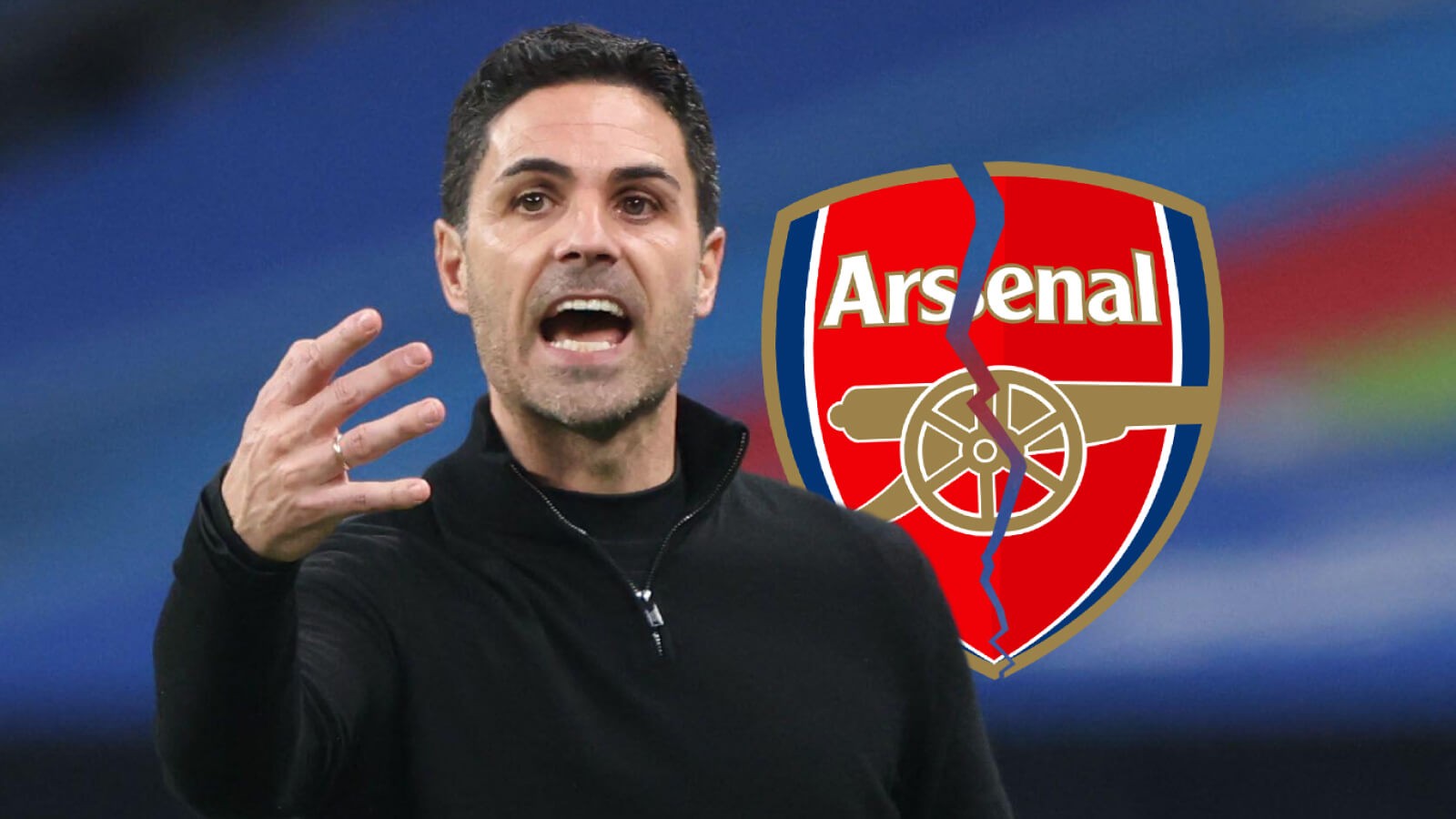
The wheels appear to be coming off at the Emirates. Following Sunday's Carabao Cup final defeat to Manchester City, the Gunners have been dealt a fresh blow as half a dozen players have pulled out of international commitments.
Leandro Trossard, Gabriel Magalhaes, Eberechi Eze, Jurrien Timber, William Saliba, and Martin Odegaard have all withdrawn from their respective national team squads. For the Premier League leaders—still competing in the Champions League and FA Cup quarter-finals—the timing couldn't be worse, or so the narrative goes.
Except there's a rather inconvenient detail: this "crisis" has struck during a 13-day international break. Arsenal have no fixtures to play. In fact, one might argue the opposite—that having their squad recover during a fortnight when they'd otherwise be idle is rather fortuitous timing. The players will likely return to full fitness precisely when the club needs them again.
The cynicism surrounding these withdrawals is understandable. International friendlies during a crucial domestic campaign hardly rank as essential, and the convenient nature of these injuries arriving during the one period when Arsenal can actually afford to rest players suggests a degree of pragmatism from Arteta's medical team. Compare this to Sir Alex Ferguson's juggling act at Manchester United, constantly managing injury crises while the international calendar raged on—now that was a genuine headache.
Whether Bukayo Saka follows suit remains to be seen, but Arsenal appear to have navigated this particular storm with surprising good fortune.
Tuchel's Squad Selection Raises Eyebrows
Thomas Tuchel has named 35 players for England's pre-World Cup preparations, including Jason Steele as a training goalkeeper despite the shot-stopper's absence from Premier League action all season. The inclusion has prompted suggestions that even the German manager isn't immune to the peculiar decision-making that engulfs England bosses in tournament build-ups.
Steele's selection for training purposes, however, hardly constitutes madness. He's a competent goalkeeper who can fulfill that role without playing league football. Similarly, Tuchel's decision to allow certain players—those carrying heavy workloads across multiple competitions—an extra week's rest before joining camp seems entirely sensible rather than symptomatic of pre-tournament panic.
The comparison to historical England mishaps feels forced. Whether it's Ron Greenwood's gamble on Kevin Keegan's fitness in 1982 or Roy Hodgson's left-back selections, these examples don't obviously connect to Tuchel picking a large squad of quality players and managing their availability thoughtfully.
Newcastle's Curious Narrative
One headline has caused genuine bewilderment: "Eddie Howe may have outgrown Newcastle and Man United should be keen."
This arrived following a 7-2 thrashing at Barcelona and a home defeat to Sunderland that left Newcastle languishing in 12th place. The suggestion that Howe has somehow transcended his current role at St James' Park, rather than facing legitimate questions about his management of the club's transfer strategy, represents a spectacular reframing of events.
Newcastle spent over £200 million on Anthony Elanga, Jacob Ramsey, Nick Woltemade, and Yoane Wissa last summer—a haul that's yielded precious little return. Pinning the club's struggles solely on financial regulations whilst absolving Howe of responsibility for that spending spree seems rather generous.
Miscellaneous Oddities
The Community Shield hasn't relocated to the Middle East—it's heading to the Millennium Stadium in Cardiff, as it has done on previous occasions. Meanwhile, Trent Alexander-Arnold's cryptic social media posts continue to fuel speculation, while Bruno Guimaraes' agent's attempt to dismiss Manchester United transfer talk via a cryptic post may well be the least convincing denial in modern football.
Compare options