The Premier League's Self-Inflicted Crisis: How Money Has Murdered Entertainment
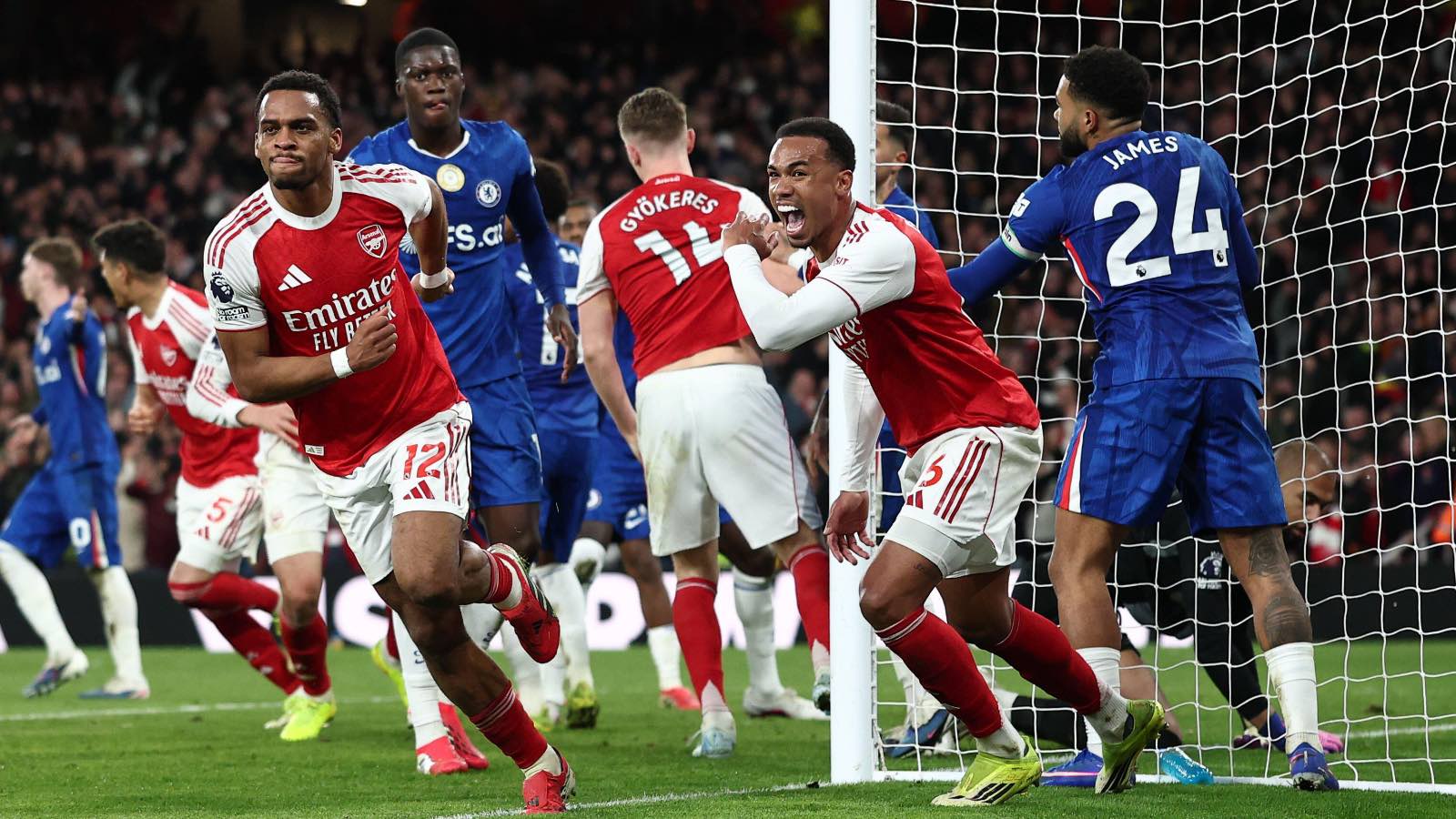
The Premier League's sporting directors have been having conversations about an uncomfortable truth: set-piece goals now represent 27.1% of all Premier League strikes, and the abundance of bodies crammed into penalty areas is suffocating what should be an attractive spectacle. Yet this acknowledgement, reported in Saturday's Guardian, conveniently sidesteps the real culprit—the league's own insatiable appetite for wealth.
The problem isn't complicated. When every level of top-flight football drowns in television money, the incentive structure becomes brutally simple: play whatever football wins matches and climbs the prize-money table. Performance becomes secondary to the final whistle. Survival matters more than style. Getting results matters more than getting crowds on their feet.
It's become the unquestioned orthodoxy—and somehow, we've been sold the idea that this is not just acceptable but admirable. Never mind that the paying public, especially the neutrals who form the majority of viewers, tune in hoping to witness something approaching entertainment. That consideration barely registers.
Consider the mathematics: why would a club pursue expansive, attacking football when efficient, brutal, risk-free football delivers superior results and, crucially, keeps the money flowing? The wages, the transfer fees, the resources that dwarf every other European competitor—all of it depends on that television windfall. It's the only rational choice in a system designed to reward victory above all else.
The Premier League has essentially engineered its own decline. Tinkering with throw-in timings and corner procedures changes nothing because the underlying philosophy remains unchallenged. The money matters. Everything else is secondary. And as long as that remains true, clubs will continue packing the box and hunting set-pieces because it works.
But here's the reckoning: what happens when the football becomes so suffocatingly dull that neutral viewers simply stop subscribing? When the revenue from broadcasting contracts begins to evaporate? The league will have sown the seeds of its own collapse, yet the leadership seems incapable of grasping the obvious solution.
The irony is that football exists elsewhere—better football, more entertaining football. Watch the Scottish leagues at any level. Tune into the Bundesliga or Serie A. Watch England's women's team. The contrast is stark and damning. The Premier League has become the bloated, self-satisfied relation convinced of its own superiority while everyone else laughs quietly.
The evidence is overwhelming: when financial stakes drop, football becomes more enjoyable. Cup competitions, stripped of their former importance and offering meagre prize money, see teams playing with genuine freedom. Pep Guardiola was noticeably more animated during Newcastle's cup run than during any number of league fixtures—because the pressure to be risk-averse had lifted. A quarter-final run in the FA Cup nets roughly £964,000 by the time you reach that stage. The League Cup is worth even less—under £240,000 even if you win it. When Arsenal's annual wage bill sits at £364 million, these competitions barely register. Losing them matters little, so teams actually play football.
Yet the Premier League continues down this path, apparently banking on the notion that marketing spin—the "best league in the world" narrative—will sustain interest indefinitely. It won't. Viewers aren't stupid. We can see the wrestling, the play-acting, the macro and micro-level cheating that has become endemic. We can see VAR killing momentum and joy with monotonous regularity. We're paying more than ever before for less entertainment than ever before, and we're being gaslit into believing this is somehow desirable.
If Arsenal continue winning by deploying this defensive, joyless template, it will calcify as the accepted model. More clubs will follow. More viewers will switch off. The financial incentive that created this mess is precisely what prevents anyone from fixing it—because accepting the economic architecture as the problem would require accepting that the current system is fundamentally broken.
That's about as likely as Tottenham winning the Premier League.
The question isn't whether anyone believes this is entertaining. Clearly, few do. The question is whether anyone in power will acknowledge that justifying ever-spiralling TV deals requires actually delivering a product worth watching. That concept apparently hasn't occurred to them. The money will last forever, they seem to believe. The good times and six-figure salaries are permanent.
They're wrong. But they'll likely do nothing until it's far too late.
Compare options