Arsenal and City on Potential Collision Course as Media Spins Fixture Fantasy
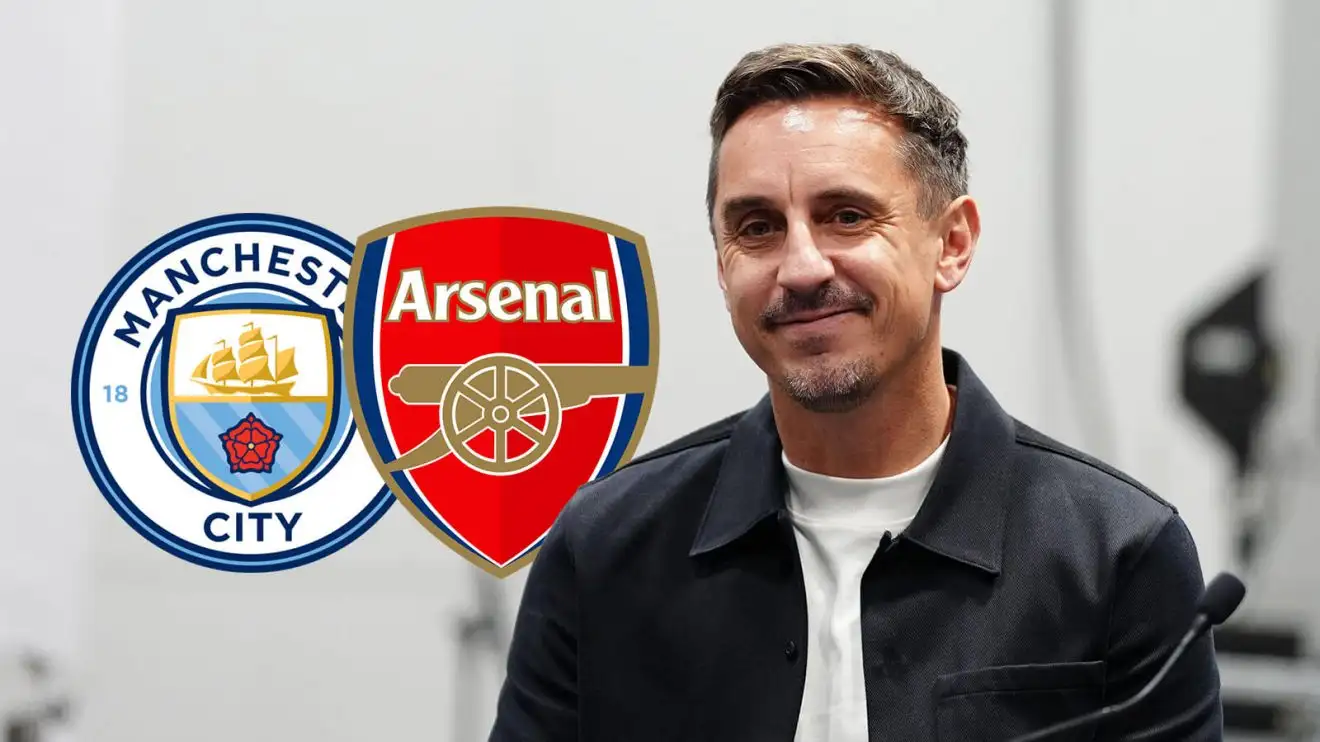
The football media's capacity for creative headline-writing reached new heights this week, with outlets breathlessly reporting that Arsenal and Manchester City might face each other multiple times in a single month. While technically possible, the mathematical gymnastics required to make this happen are rather amusing.
The two clubs are already scheduled to meet twice—once in the Premier League and once in the Carabao Cup final. For encounters to reach five, an improbable sequence would need to unfold: both sides winning their FA Cup ties, drawing each other in the knockout stages, both progressing through Champions League rounds, and then being paired together in the continental competition's latter stages. The odds? Somewhere around 100/1, though the exact calculation becomes somewhat tedious.
What's particularly rich is that the same outlets acknowledging this scenario also note there's a perfectly reasonable chance the teams could be kept apart entirely in both cup competitions. Funny how that bit doesn't make the headline.
The actual gap between the clubs remains six points, a fact apparently lost on some commentators who suggested City had "closed the gap" after playing their fixture a day later than Arsenal. The Gunners' 3-0 demolition of Sunderland rather underlined their continued superiority.
Pep Guardiola's measured assessment of City's title prospects—essentially that they'll need Arsenal to slip up—has been transformed into aggressive "hunting down" narratives by various outlets. His actual comments about needing to improve just to compete were conveniently omitted from several reports. Opta still rates Arsenal's championship chances at 90 percent, a detail that rather punctures the manufactured tension.
The week's most tedious moment came courtesy of Gary Neville's on-air clarification during Sky Sports' Liverpool coverage, where he explained that information about remaining time came from overheard official communications rather than direct instruction. A perfectly normal explanation of broadcast operations, obviously.
Except social media conspiracy theorists seized upon the comment as evidence of match-fixing, prompting the Daily Mail to lead Monday's coverage with claims of an "Arsenal fans meltdown." In reality, a handful of genuinely deluded individuals had latched onto a non-story, yet the Mail decided this warranted front-page treatment. That's the modern football media for you: manufacturing outrage from the thinnest of pretexts.
Compare options